News
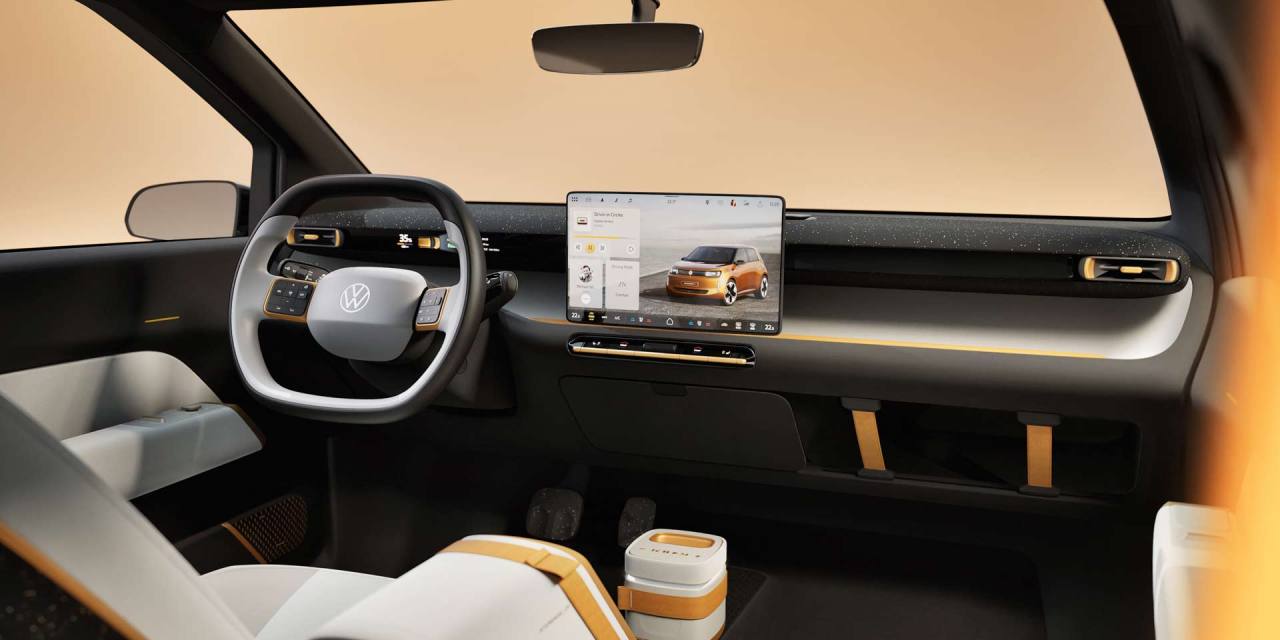
Today, cars are less a vessel to get you from A to B and more an extension of our homes, living rooms, and phone screens. As vehicles become increasingly software-defined, equipped with features such as over-the-air updates, adaptive cruise control, smartphone integration, and more, they become highly adaptable, able to fix their own bugs and update themselves without the need for third-party intervention. The global trend is set: the future lies in SDVs.
In fact, software-defined vehicles are expected to account for 90% of all auto production by 2029. This increasing connectivity opens up exciting potential for automakers, creating new opportunities for infotainment, hyper-personalisation, and seamless connectivity between devices and our cars.
But with these opportunities comes a host of new risks, particularly with regard to cybersecurity. As vehicles become more connected, they also become moving targets for hackers and malicious actors.
According to research conducted by McKinsey, newly released cars can contain up to 100 million lines of code, and by 2030 software is expected to account for up to 30% of a vehicle’s total value.
This hyper-connectivity leaves vehicles vulnerable to cybersecurity breaches, leaving automakers scrambling to adapt as they enter a new era of connectivity.
Advancements in AI have been a double-edged sword for automakers. Incorporating AI into cyber teams boosts efficiency and improves workflows, allowing human agents to become mediators of a team of AI agents. Simultaneously, however, hackers and malicious actors are utilising AI to their own advantage.
Automakers have long been seen as an industry unwilling to adapt to increasingly sophisticated cybersecurity threats.
Hacker Eaton Zveare spoke at a hackers’ conference in Vegas earlier this year, exposing the automotive industry’s failure to remain vigilant against cyber threats:
“I target automakers just for fun,” he said. “They’re big, old companies; there’s a lot of infrastructure out there … They have thousands of subdomains, and each of those is just an exploit waiting to happen.”
In light of these accusations, automakers will have to adapt to remain vigilant to cybersecurity risks and elevate themselves from the butt of the joke when it comes to cyber defence.
Hitherto, automotive cybersecurity has largely been a reactive process but herein lies the problem. Automakers and their technology partners should take a more integrated approach to defence mechanisms, incorporating cybersecurity measures from the design and development stages of innovation. For SDVs to stand up to increasingly sophisticated cyber threats, automakers must take a predictive rather than reactive approach to cyber defence.
Keep up-to-date with the latest mobility news by subscribing to MOVEMNT’s free newsletter