by Ben Macleod | Mar 5, 2024 | Autos, Energy & Charging, Fleets, Popular, Tech & Data |
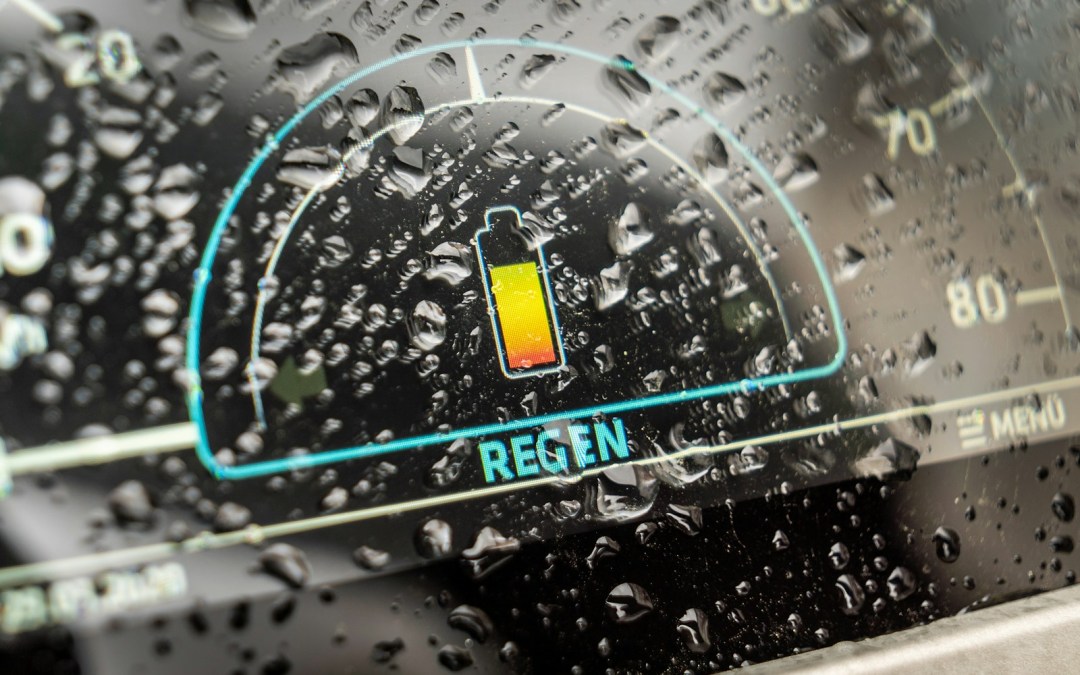
Nissan have partnered with a UK-based clean technology group Altilium to improve the use of advanced recycling technologies and lower the carbon footprint of new batteries and reduce reliance on imported raw materials.
The program will strengthen the technical expertise and R&D capability of the Nissan Technical Centre Europe (NTCE) focusing on the development and advancement of EV battery reuse, recycling and energy balancing technology.
Dr Christian Marston, co-founder and COO of Altlium, said the partnership marks a “significant milestone in our mission to create a sustainable ecosystem for EV batteries”.
The two companies intend to work together to maximise the potential for raw material recycling and develop a “closed-loop” model for battery materials, thus reducing the need for mining and saving natural resources.
This will include processing waste from spent Nissan leaf batteries and production scrap and then upcycling these materials to produce high nickel chemistry cathode active materials (CAM) for testing in the next generation of EV batteries.
The joint endeavour aims to establish a circular approach to managing EV batteries, ensuring minimal environmental impact and maximising resource efficiency.
Altilium’s proprietary EcoCathode hydrometallurgical process claims to recover over 95% of the cathode metals, including lithium, from end-of-life EV batteries.
The innovative work is part of a £30m collaborative project announced today by the Advanced Propulsion Centre (APC), which has been awarded grant funding of £15m.
Want to keep seeing which stories are sparking the mobility community? Sign up to our MOVEMNT newsletter for weekly updates every Thursday 8am
by Ben Macleod | Feb 12, 2024 | Autos, Energy & Charging, Fleets |
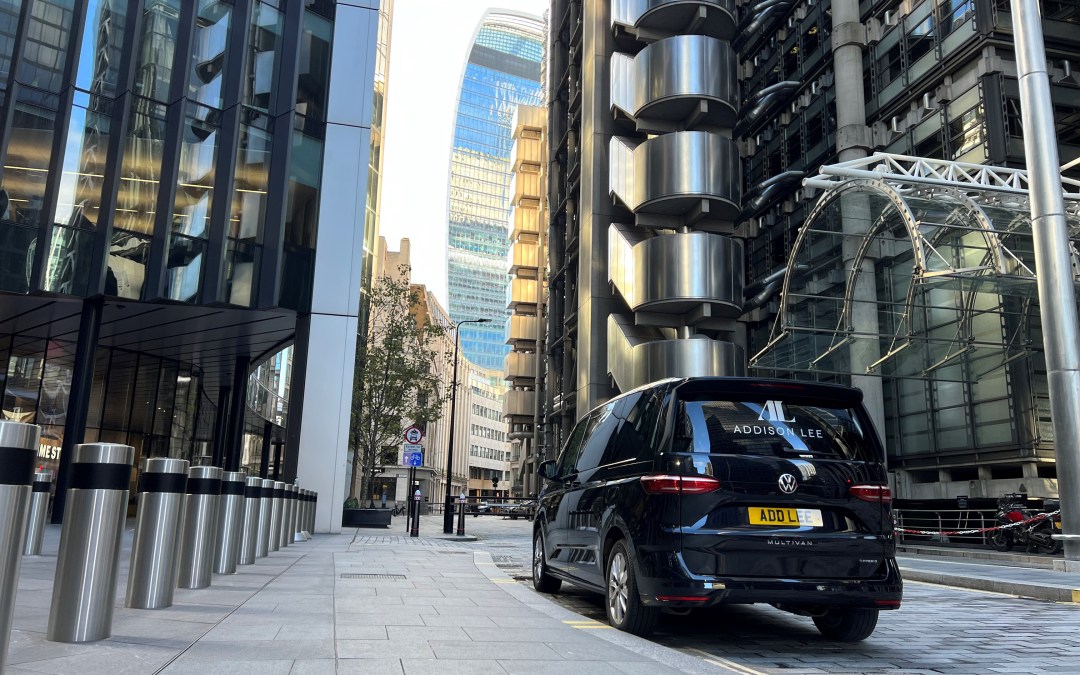
Addison Lee, one of London’s largest private hire and taxi firm, has added 600 new Volkswagen Multivan hybrid vehicles to its fleet.
The new hybrid vehicles will replace the diesel cars currently on the fleet.
The newly-acquired fleet of Volkswagen Multivans adds to an already 1,000-strong fleet of all-electric Volkswagen ID.4 vehicles, and 400 Audi A6 low-emission vehicles.
Addison Lee CEO, Liam Griffin, said:
“Our investment in the Multivans not only provides our passengers with a sustainable version of the iconic vehicles we have always been known for, but reflects our commitment to electrification, with our entire standard fleet set to be zero emission capable by Spring 2024.”
Addison Lee reportedly chose the Multivan due to its premium versatility, comfort for up to six passengers, and its low-emission hybrid powertrains – aligning with its goal to have a zero emission-capable fleet by Spring 2024.
Craig Cavanagh, National Fleet Manager at Volkswagen Commercial Vehicles, said:
“The Volkswagen Multivan is one of the few vehicles on the market that combines true space for up to six passengers with premium, durable quality. Hybrid powertrains ensure the vehicles can be used in low-emission areas, without hitting the bottom line of a company’s tax liability.”
Want to keep seeing which stories are sparking the mobility community? Sign up to our MOVEMNT newsletter for weekly updates every Thursday 8am
by Ben Macleod | Jan 22, 2024 | Autos, Energy & Charging, Fleets, Popular, Smart Cities, Tech & Data |
Following a reportedly successful introduction in 2022, the Santander e-bike fleet is expanding from the current 600 bikes to 2,000 bikes to make it even for Londoners to find and ride.
More than 750,000 e-bike hires have taken place since their introduction, with double the number of hires per bike per day compared to classic bikes. The additional e-bikes aim to boost capacity and be distributed across key central London locations.
The Mayor of London, Sadiq Khan, said:
“The e-bikes have proved hugely popular since they were introduced and help break down the barriers that stop some people from cycling. The new day pass rate will also make Santander bikes one of the most affordable ways to travel in the capital.”
Transport for London (TfL) and Santander are making further improvements to the Santander Cycles scheme by introducing a new day pass.
TfL reported the lack of access to a bike stands as a key barrier in stopping people from cycling and Santander Cycles is aiming to eliminate this hurdle by boosting sustainable transport options for people across the capital.
After an unsuccessful year in 2023 for e-scooters following their ban in Paris and several micro-mobility companies filing for bankruptcy, London is reportedly making strides to further e-bike fleets.
The new day pass will be introduced from Sunday 3 March with a daily rate of £3 for unlimited hires up to 30 minutes within 24 hours. Hires longer than 30 minutes incur an extra £1.65 for each additional 30 minutes.
The e-bikes are serviced on street by cargo bikes and electric vans, ensuring that the scheme is as sustainable as possible.
TfL saw 6.75 million e-bike hires in 2023 alone, standing as the highest since the scheme began.
by Ben Macleod | Jan 4, 2024 | Autos, Energy & Charging, Fleets, Smart Cities |
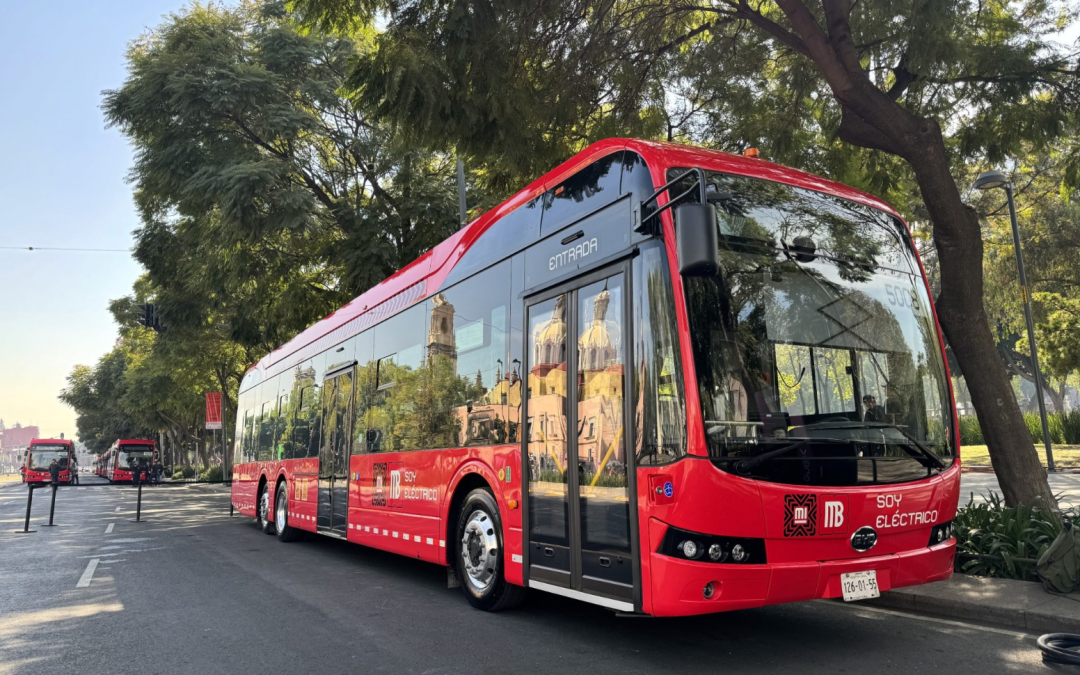
BYD has delivered the first batch of 20 electric buses to Mexico City Metrobús, putting them into operation around the urban area.
This is part of a total 55 pure electric buses, marking the largest electric bus fleet delivered in a single shipment in Mexico yet.
The buses will be put into operation on Mexico City’s Line 4, helping 120,000 on their everyday commute, guiding the city to a green transportation transition.
Rosario Castro Escorcia, general director of the Mexico City Metrobús, said:
“Zero-emission, sustainable solutions for transportation operations are essential. Since 2018, we have been working on transportation technology reforms, and this partnership with BYD is an important expression of the transition to electrification of Mexico’s public transportation system.”
The 55 BYD electric buses in operation will reduce carbon dioxide emissions by an estimated 5,845 tons per year compared to traditional fuel vehicles, contributing to the improvement of air quality in Mexico City.
The BYD electric buses have a maximum capacity of 130 passengers, a range of 200 kilometers, a battery capacity of 300 kWh, and a charging time of as little as three hours.
The buses also provide barrier-free facilities and equipment, especially for people with disabilities, and lowers the suspension height to offer a convenient and comfortable barrier-free traveling experience for passengers with special needs.
Read the full announcement here.
Want to keep seeing which stories are sparking the mobility community? Sign up to our MOVEMNT newsletter for weekly updates every Thursday 8am
by Ben Macleod | Aug 25, 2023 | Autos, Business, Fleets, Tech & Data |
Webfleet has entered into a partnership with new e-fleet solutions provider VEV to accelerate commercial EV fleet adoption.
The fleet management software provider announced their partnership with VEV, provider of end-to-end EV transition solutions from EV fleet strategy through site design to operation.
As well as initial site electrification, charge point infrastructure installation, and electric vehicle sourcing and financing, the company also supports ongoing EV fleet operations. vehicles, journeys and drivers.
Mike Nakrani, CEO of VEV, said:
“Webfleet is a critical component of the electrification journey, from initial planning to in-service operational optimisation.
“The data is vital for VEV to optimise the design of the EV transition to avoid costly over-specification of vehicles, chargers and depot energy infrastructure.”
The partnership aligns with Bridgestone’s E8 Commitment and its eight values – Energy, Ecology, Efficiency, Extension, Economy, Emotion, Ease and Empowerment – which serves as a guide for Bridgestone’s transformation into a sustainable solutions company.
Taco van der Leij, Vice President Webfleet Europe at Bridgestone Mobility Solutions, said:
“Webfleet is helping businesses worldwide to achieve their sustainability ambitions, but we recognise that the solutions needed by fleets to successfully transition to zero emission vehicles come from collaboration.
“This partnership demonstrates how much the role of the fleet manager is changing. In addition to managing vehicle operations, EV fleet managers must be able to optimise energy consumption to minimise downtime, cut charge times and optimise battery health as a critical asset.”
Webfleet telematics data intends to play a pivotal role in shaping initial EV strategy by informing vehicle journey times, duration, frequency and ‘return to depot’ behaviour. It will then enable fleet managers to track range, energy consumption and mechanical status in real time.
Want to keep seeing which stories are sparking the mobility community? Sign up to our MOVEMNT newsletter for weekly updates every Thursday 8am