The Benioff Ocean Science Laboratory at the University of California Santa Barbara works to ensure future generations inherit a healthy ocean. The company combines science with global creativity and collaboration to fulfill that promise.
Through combining everyone’s awareness of where the ocean is sick with the willingness of the marine science community to help, the Benioff Ocean Science Laboratory hopes to make a staggering difference.
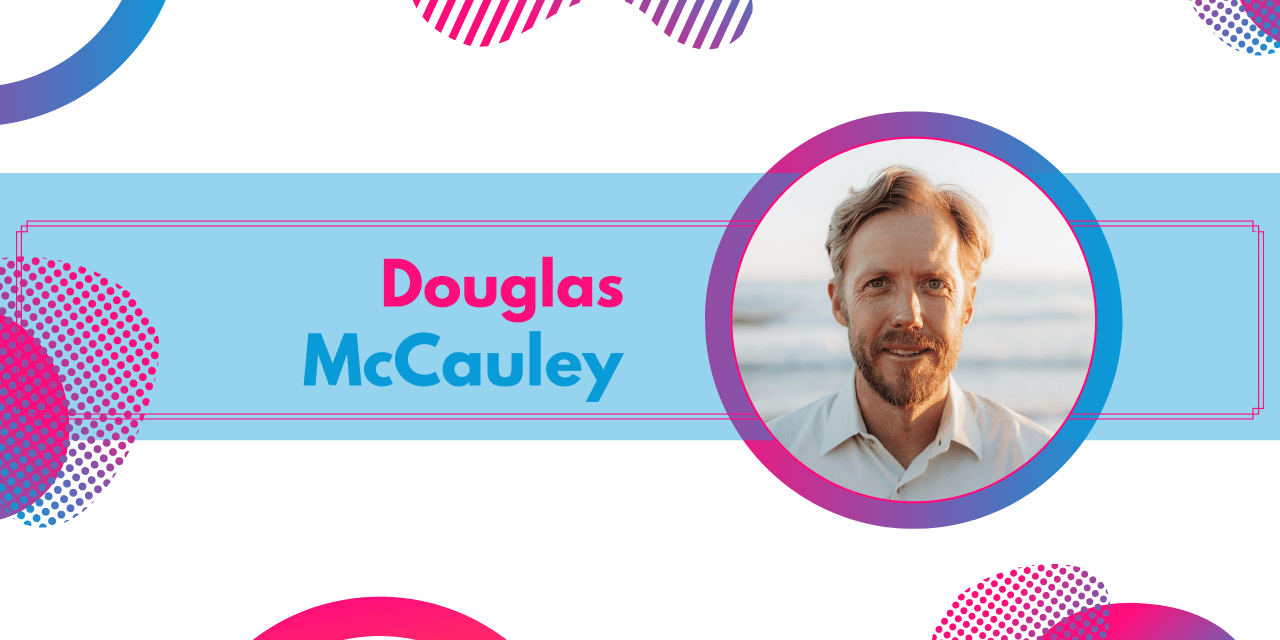
MOVE caught up with Douglas McCauley, Director of the Benioff Ocean Science Laboratory. Within this interview, Douglas touches on some of the biggest issues facing our oceans today and highlights some of the fantastic projects the Benioff Ocean Science Laboratory are undergoing.
Q: For those who may not know, tell us about the Benioff Ocean Initiative at the University of California Santa Barbara.
First, just a logistic note: we’ve changed our name to the Benioff Ocean Science Laboratory, but retain the same mission 🙂
The Benioff Ocean Science Laboratory is an applied research center based at the University of California Santa Barbara. Our mission is to create tangible and replicable fixes to the most pressing issues facing ocean health. All of our team are scientists and all of our work is rooted in science. Many of the solutions we innovate involve data science or technology – because these are faster to solution to bring to scale.
Q: What are some of the biggest issues facing our oceans at the moment?
Climate change is by far the biggest threat facing ocean health – and for that matter, planetary health. Climate change is causing the ocean to become hotter, more acidic, and less well oxygenated – this can be a lethal combination.
Another big – but exciting challenge for the ocean in how to onboard what we call the forthcoming Industrial Revolution in the sea. In coming decades there will be an explosion on new ocean industry and exponential growth of old marine industry. This includes expansion of farming in the ocean, building power plants underwater, increasing traffic on our ocean highways, and there are even those that wish to begin mining in the ocean. The big challenge ahead is how to do more business in the ocean, while harming it less. That will take thoughtfully planning out this marine industrial growth – but also bravely saying no to industries that simply cannot be sustainably accommodated in this new portfolio of ocean industry.
Q: You have two incredible projects currently underway: cutting river plastic waste and reducing whale ship collisions. Tell us about these projects and their impact.
The whale project “WhaleSafe” is a great example of our efforts to use science to embrace growth in marine industry – while reducing its environmental footprint. The globalization of commerce has caused marine shipping to grow exponentially. That added traffic brings with it some of the same problems we see on land – including roadkill. In the ocean highways there are many lethal collisions between endangered whales and ship. Whalesafe is a technology program that detects when endangered whales are in these ocean highways and share these data with shipping vessels which can slow down to reduce whale-ship collision risk.
We are equally excited about the plastic pollution work in our Clean Current CoalitionInitiative. Plastic waste has become a cancer for our oceans. The Clean Currents Coalition is a partnership with eight communities in eight countries to innovate solutions to capture plastic in rivers before it gets to the ocean. Importantly, these teams then turn that plastic into data insights – which are shedding light on how we can work with business and government to turn the tap of plastic pollution off before it gets to these rivers in the first place. We are thrilled that our teams recently surpassed a milestone of collecting over 1M tons of plastic from their rivers.
Q: What can we expect to see from the initiative in the next 12-18 months?
We are excited to soon be launching a new ocean-climate initiative in the Benioff Ocean Science Laboratory. Saving whales and addressing the plastic pollution crisis actually do both help in interesting ways in the fight against climate change. But in this new initiative, we will be launching a $10M challenge to tackle climate change even more head on.
Q: What can we expect to hear from you at MOVE 2023?
At MOVE 2023, I’m really looking forward to sharing some of the sometimes surprising ways that this absolutely critical sprint towards decarbonized mobility actually intersects with ocean health. A primary example is ocean mining. Some mining companies have said that we must begin mining in the sea to meet demand for minerals used in electrification. Much of the research we have in hand today indicates this would be a disaster for ocean health – something we will all unpack together in London. The good news is there are no shortage of ways to keep electrification moving ahead full speed – while sidestepping these impacts on our ocean.