Software-defined vehicles and the 15-year challenge: Can automotive software outlast the hardware?
Software-defined vehicles (SDVs) were introduced with the promise of extending a vehicle’s “relevance” through continuous software updates. Manufacturers promoted the idea that cars could ‘level-up’ long after leaving the factory, gaining new features and performance improvements over their lifespan. Made simple, cars would literally have the power to evolve as technology improves and connectivity becomes...
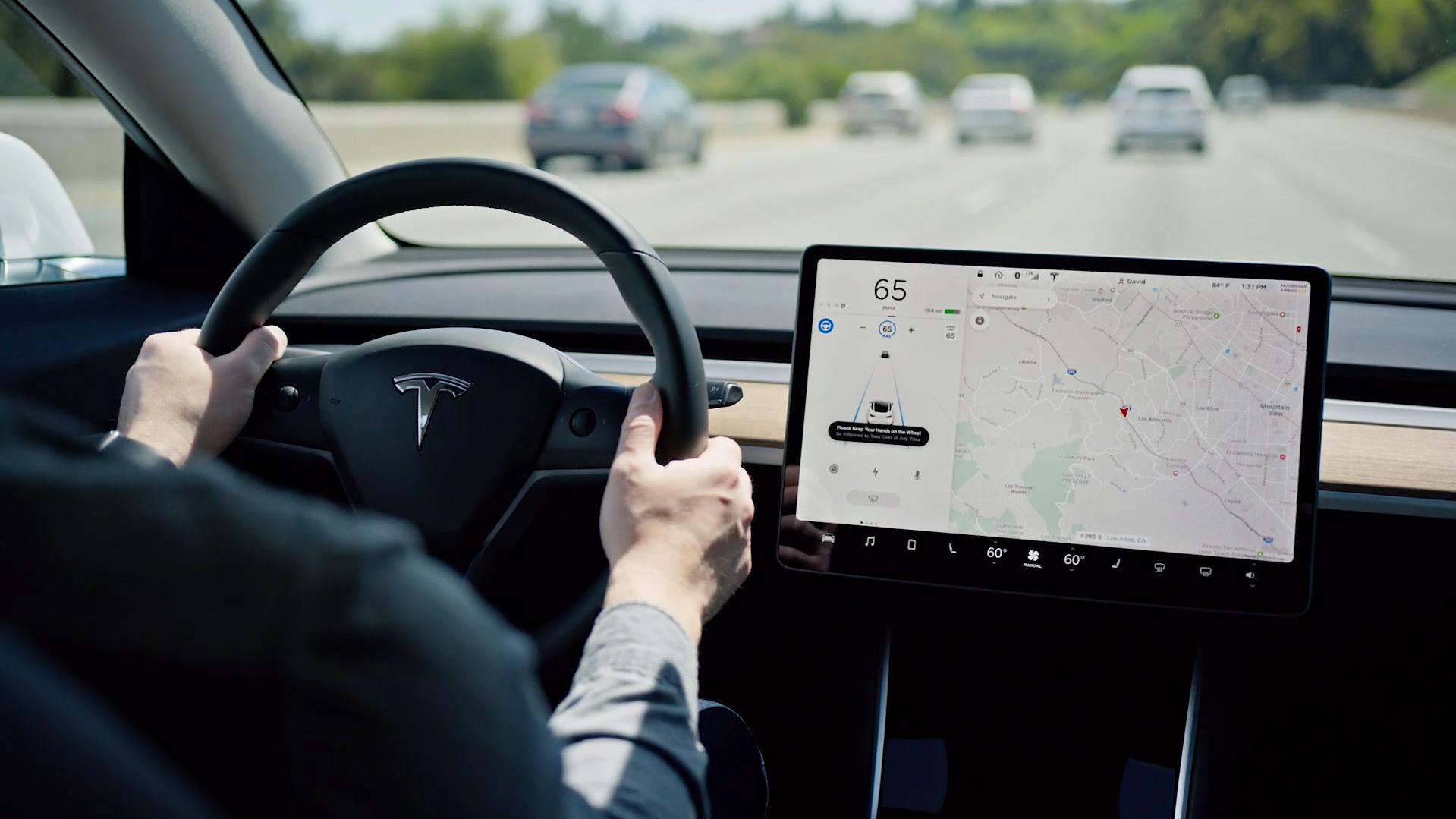
Tesla forced to drop “Autopilot” branding in California after “misleading” marketing ruling
Tesla has removed the term “Autopilot” from its marketing campaign in order to comply with Californian regulators. The electric vehicle and robotics group found itself in hot water last December after the California Department of Motor Vehicles deemed its Autopilot feature misleading to potential consumers.
Tesla’s...

Brussels to require 70% EU content for subsidised EVs under “Made in Europe” mandate
In a bid to stave off Chinese competition, Brussels is introducing a “Made in Europe” mandate ensuring that at least 70% of new electric vehicle components are manufactured in the EU.
The Industrial Accelerator Act will be published by the European Commission in March; however, the...

Affordable EVs offer lifeline for automakers amid market slowdown
As many global automakers roll back on their EV strategies in the face of an industry slowdown, the global market is showing a strong preference for affordable EVs over more expensive models.
After the end of the US federal subsidy and the Trump administration’s reversal of...

New report suggests software defined vehicle market will soar to almost $2,000 billion USD by 2034
The global automotive industry is entering a new phase of digital transformation, with software increasingly defining how vehicles operate, evolve and relate to the consumer.
A new study from Allied Market Research forecasts that the software defined vehicle (SDV) market will expand dramatically over the next decade, reaching an...

China’s EV sales fall for the first time in 2 years
Government subsidies and cheap manufacturing costs have long given Chinese automakers a competitive edge when it comes to EV production, facilitating the rapid expansion of manufacturers like BYD and Geely into overseas markets.
This seemingly unstoppable growth now appears to be showing signs of waning, following...

Lyft follows in Uber’s footsteps, launching new ride-hailing app for teens
American ride-hailing company Lyft has announced the launch of its own teen account service, allowing minors as young as 13 to hail a taxi without an adult present.
Lyft currently has 25 million active riders and coordinates 9 million rides per day across the US, Canada...

UN draft agenda on autonomy promises a unified approach to global self-driving regulation
As autonomous innovation accelerates towards widespread deployment and robotaxis roll out in record numbers, global regulation has historically lacked a clear or decisive approach. Instead, countries have determined their own legislation, resulting in a patchwork of fragmented regulation across geographies.
By 2030, Boston Consulting Group predicts...
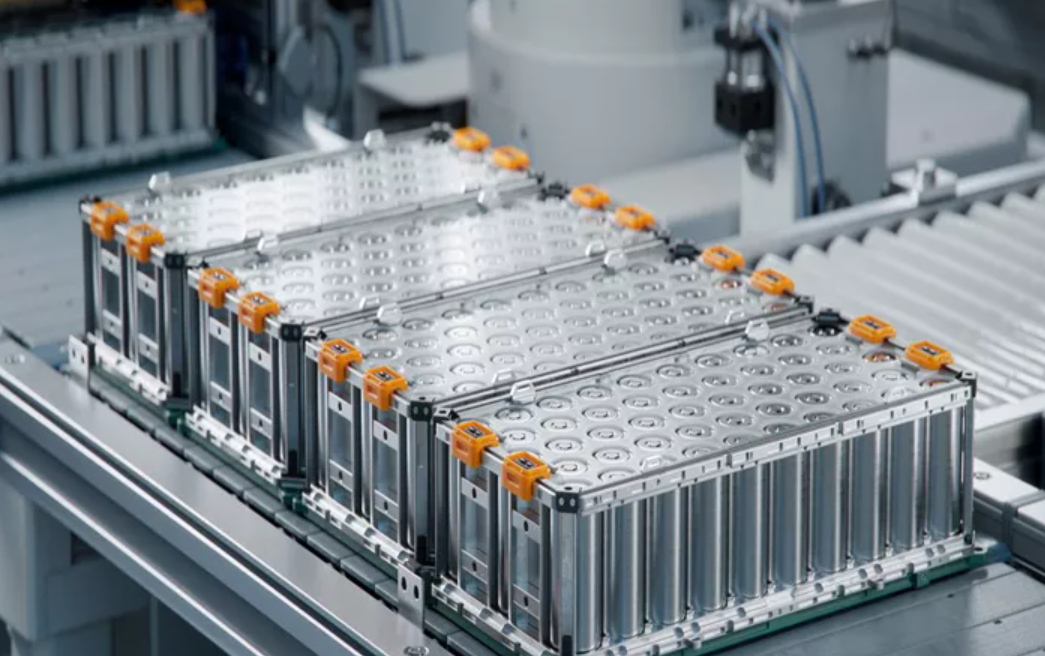
General Motors bets on unproven battery technology in a bid to drive down EV costs
In a bid to leapfrog EV competition, automaker General Motors is betting on an unproven battery technology: LMR, or lithium manganese-rich prismatic cells in its latest EV strategy.
Originally discovered in the 1990s, LMR is a cathode chemistry that requires reduced levels of rare-earth materials...

Mark Carney unveils Canada’s revised automotive strategy, scrapping EV mandate
On Thursday, Canadian Prime Minister Mark Carney unveiled a revised national automotive strategy that has set a brand new course for Canadian electrification. Announced against the backdrop of rising trade tensions and mounting pressure from U.S. tariffs, the plan represents a shift in how Ottawa...