News
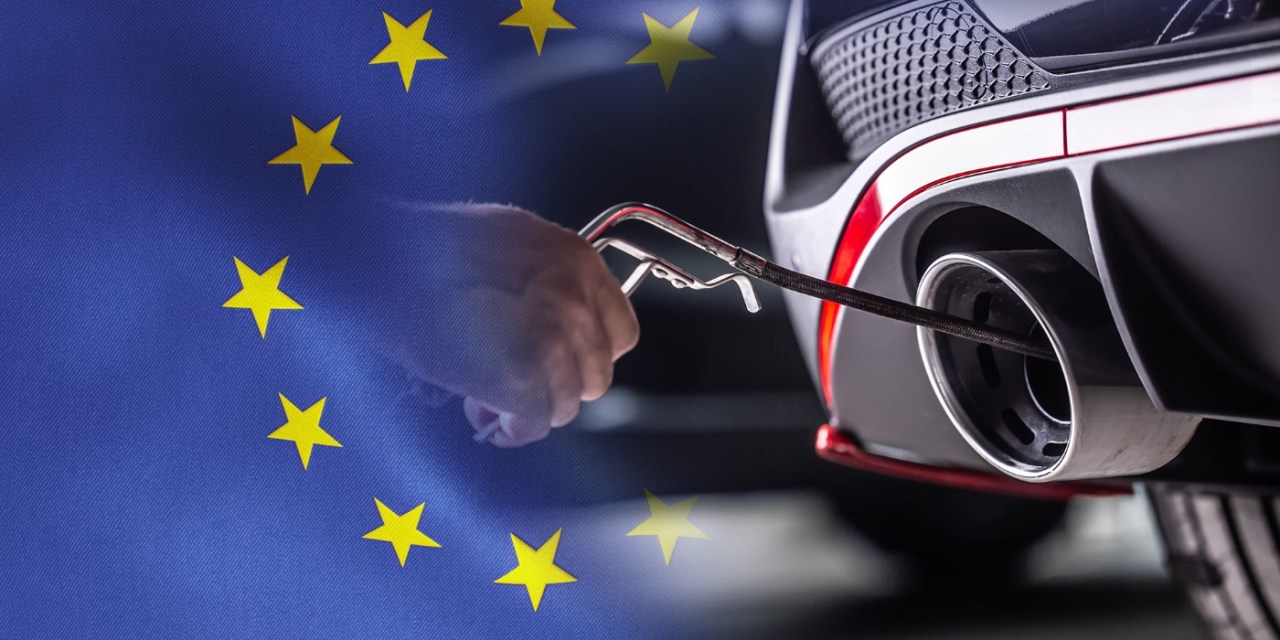
In a bid to counter Chinese competition, Brussels is introducing a “Made in Europe” mandate requiring at least 70% of new electric vehicle components to be manufactured in the EU to qualify for government subsidies.
The Industrial Accelerator Act will be published by the European Commission in March; however, the following predictions are based on a draft report seen and reported on by the Financial Times this week.
Automakers benefiting from “Made in Europe” state support will also need at least 25% of their aluminium products and 30% of the plastic used for doors and windows to be made within the bloc.
The industry remains divided as to whether these local content rules will benefit or stifle automakers and European consumers. OEMs including BMW and Mercedes-Benz have been vocal in their condemnation of the “Made in Europe” mandate, suggesting it may quash innovation and prompt Chinese retaliation.
Mercedes-Benz Group CEO, Ola Källenius, and president of the automaker lobby group ACEA, spoke on the importance of a pragmatic approach to legislation:
“I’m in favor of a level playing field,” he said, “but whenever you regulate, you should use a very, very fine saw, not a chainsaw, to make sure no unintended consequences ensue.”
VW and Stellantis have been comparatively supportive, arguing that an emphasis on European manufacturing will serve to bolster local jobs, help Europe shore up its supply chains, and end overreliance on Chinese imports.
These local content laws are intended not only as a means to combat the wave of affordable Chinese EVs, but also as part of a broader EU strategy to save its €2.6tn manufacturing base by promoting local heavy industry and manufacturing.
One area that will not stipulate such rigid guidelines is the vehicle battery, where only some of the key components will need to be manufactured on European soil.
In 2025, the European Commission committed to supporting a “Made in Europe” EV supply chain, with a €1.8 billion “battery booster” investment for local gigafactories. Since then, both Stellantis and Mercedes-Benz have rolled back their plans to build three gigafactories in Europe.
This legislative pivot follows pressure from Europe-based battery suppliers calling for an end to the overreliance on China and Korea for battery parts. In their letter to Commission President Ursula von der Leyen in November, they said:
“The state of the European battery value chain requires urgent action.”
Whether the “Made in Europe” mandate ultimately strengthens the bloc’s industrial base or triggers unintended economic consequences remains to be seen. The decision follows similar moves from the U.S and Canada to end overreliance on Chinese rare earth materials and battery components by building out their own domestic EV battery supply chains.
Keep up-to-date with the latest mobility news by subscribing to MOVEMNT’s free newsletter