News
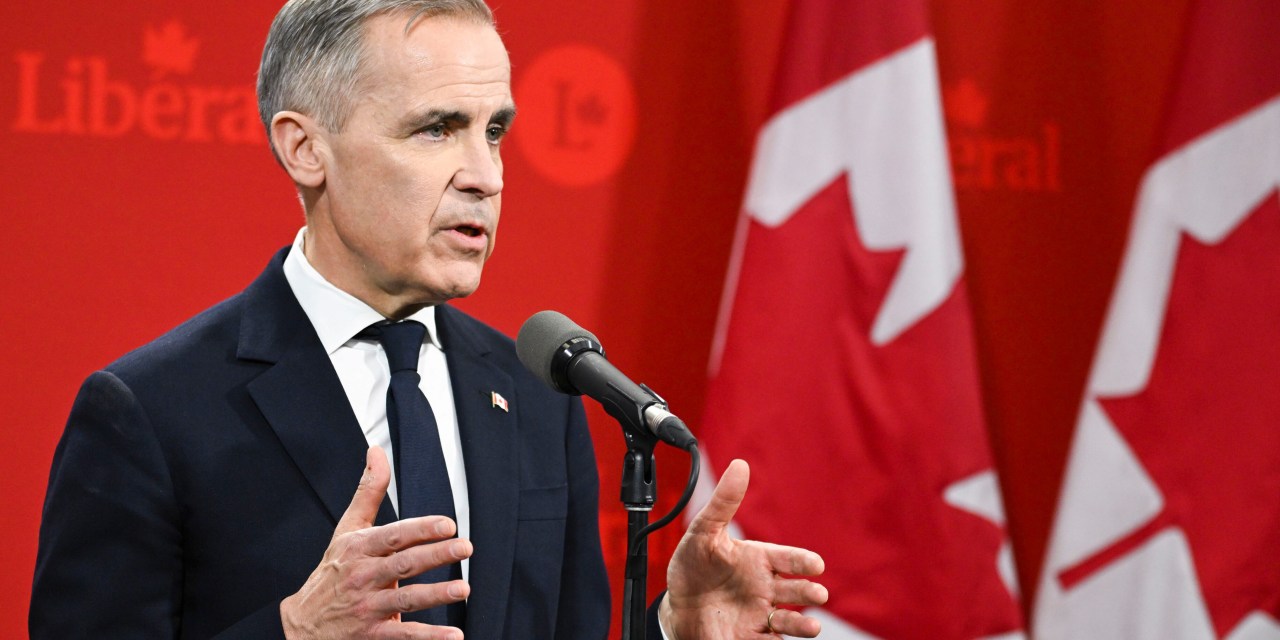
On Thursday, Canadian Prime Minister Mark Carney unveiled a revised national automotive strategy that has set a brand new course for Canadian electrification. Announced against the backdrop of rising trade tensions and mounting pressure from U.S. tariffs, the plan represents a shift in how Ottawa hopes to guide the country’s transition to electric mobility.
Most significantly, the federal government is abandoning its previously legislated electric vehicle sales mandate, which would have required EVs to account for 60% of new car sales by 2030 and 100% by 2035. In its place, Carney’s government is betting on incentives, reintroducing consumer rebates designed to stimulate demand without placing additional strain on automakers.
Under the new 5-year incentive program, buyers of battery-electric and fuel-cell vehicles will be eligible for rebates of up to $5,000, while plug-in hybrid purchasers can receive up to $2,500. The government has also softened its long-term targets, now aiming for EVs to make up 90% of new vehicle sales by 2040, supported by stricter emissions standards rather than outright sales quotas.
The policy shift comes at a pivotal moment for Canada’s auto sector. Since U.S. President Donald Trump reinstated a 25% tariff on Canadian-built vehicles and parts, production has slowed and thousands of jobs have been lost as manufacturers including General Motors and Stellantis scale back operations. With nearly 90% of Canadian vehicle production destined for the U.S., the impact has been significant.
To counter this, Ottawa is introducing tariff credits for manufacturers that maintain or expand production in Canada, offering relief to companies such as Toyota and GM. At the same time, the government is actively diversifying its automotive partnerships. Recent agreements with China and South Korea are intended to attract new investment and reduce Canada’s historic dependence on the U.S. market, moves that could reshape North America’s tightly integrated supply chains.
Industry response to the new strategy has been cautiously optimistic, with many automakers welcoming the flexibility offered by incentives over mandates. Environmental groups, however, have voiced concern that rolling back binding EV targets could slow progress on emissions.
Keep up-to-date with the latest mobility news by subscribing to MOVEMNT’s free newsletter