by Eve Stevens | Dec 5, 2025 | Fleets |
News
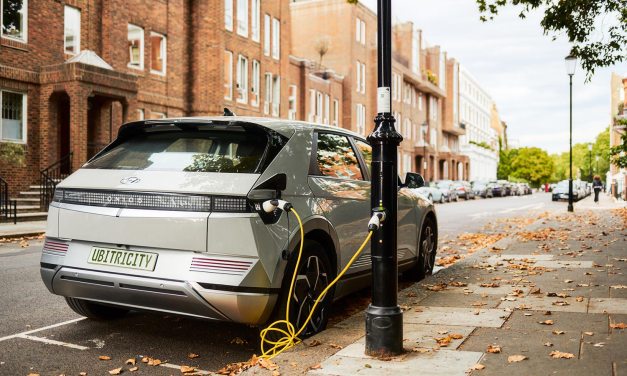
If you live in London, the sight of a Zipcar is, to some, almost as familiar as a red post box or an overcast afternoon. All this is set to change come 2026, following last week’s announcement that the American-owned car-sharing company will be shutting down its London operations by the end of the year.
The app, which allowed users to rent a car for as little as £5 for periods ranging from one hour to seven days, has suspended all new bookings beyond December 31.
The group is owned by the US rental company Avis Budget and operates in multiple locations around the world. The club boasts more than 650,000 members and has a London fleet of 3,000 vehicles.
Many Londoners rely on Zipcar instead of owning a private vehicle, using the service to move goods and equipment around in the face of the city’s high congestion charges and expensive parking. Car-sharing services such as Zipcar have been praised for reducing private car ownership and easing congestion in the capital.
Now, as the company plans to wind down their UK operations, users will be faced with the difficult decision: either make the swap to a smaller and more expensive competitor or be strong-armed into car ownership.
Richard Dilks, Chief Executive of Collaborative Mobility UK (CoMoUK), a mobility charity, spoke out on the matter, saying:
“It [Zipcar’s announcement] has quite profound implications because there are hundreds of thousands of users, and there for sure will be a percentage of those who will be tipped into car ownership now.”
Many have criticised Rachel Reeves’ introduction of a pay-by-mile EV tax and the lifting of exemptions for electric vehicles under the London congestion charge, calling the measures a death knell for an already struggling company.
Under the new budget, electric vehicles will face much higher fees than before, creating further challenges for the US company, in which a third of its fleet are made up of electric models.
Zipcar’s business model, in which the company is liable for the maintenance of its own fleet and the cost of petrol is included in the rental, has struggled to weather fluctuations in the UK market.
Whilst Zipcar has assured customers that services outside the UK will remain unaffected, questions linger over what ultimately pushed the company out of London.
In the end, it’s hard to say whether government levies or an untenable business model drove Zipcar out. But its departure raises a bigger question: in a city trying to reduce private car use, who will step in to fill the space Zipcar leaves behind?
by Eve Stevens | Nov 26, 2025 | Autos, Fleets |
News
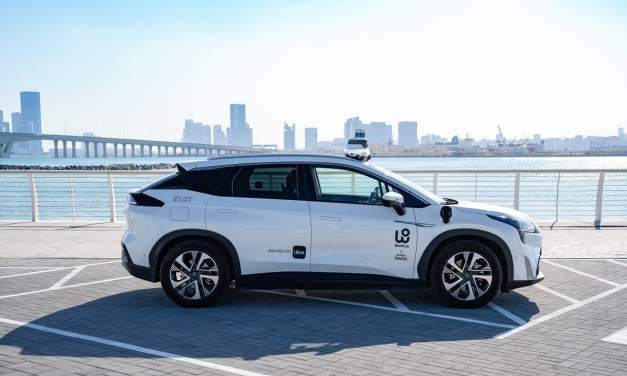
Uber is ramping up its investment in autonomous vehicle technology, launching its driverless robotaxi service in Abu Dhabi, the first of its kind in the Middle East.
The announcement, made on Wednesday, is part of a joint venture with Chinese company and global leader in autonomous driving technologies, WeRide. The partnership was originally forged in September of 2024.
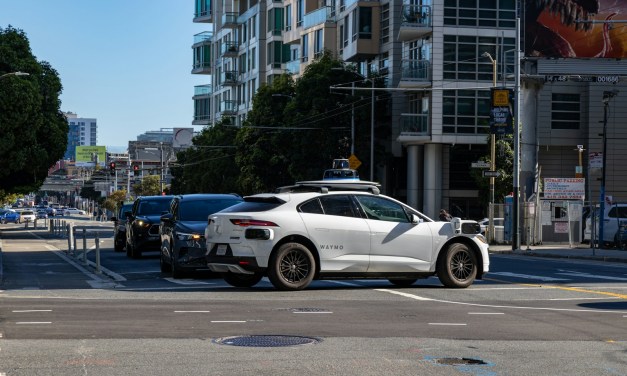
Uber already offers robotaxi services in several US cities, including Austin, Phoenix, and Atlanta, through a partnership with Waymo, launched under Google’s Alphabet brand. The pair have also announced plans to enter Europe next year, beginning trials in London in 2026.
Uber promises that riders will be able to book fully autonomous vehicles via the Uber app when requesting an UberX or Uber Comfort. Unlike the free autonomous trials that began operation back in December, these cars will not come equipped with an onboard safety operator.
The news follows Uber and WeRide’s October announcement, which unveiled plans to begin a robotaxi service with safety operators on board in Riyadh, Saudi Arabia.
Speaking in an interview with CNBC, CEO and co-founder of WeRide Tony Han discussed the company’s dual-pronged approach to autonomous innovation, saying:
“WeRide is the only autonomous driving company in the world taking both Tesla’s approach and Waymo’s approach. For Waymo’s approach, we use Level 4 robotaxis with HD maps and a traditional machine-learning framework — that part we have already put into operation. For Tesla’s approach, we have just rolled out WePilot 3.0, which is comparable to Tesla’s FSD (Full Self-Driving), and our ADAS system has already been installed in several of Chery’s mass-production passenger cars.”
WeRide and Uber have also announced ambitious plans to scale up their robotaxi operations, with an expected 15 additional cities to be added within the next five years.
According to WeRide’s own filings, their autonomous-vehicle products have received driving permits in eight countries: China, UAE, Singapore, Switzerland, France, Saudi Arabia, Belgium, and the US.
by Eve Stevens | Nov 25, 2025 | Autos, Fleets |
News
Europe’s transport and mobility landscape is edging closer to full automation, as Estonian ride-hailing giant Bolt announces a strategic partnership with Chinese autonomous driving specialist Pony.ai.
The collaboration marks a significant step toward introducing driverless vehicles to European roads and reshaping how urban mobility will function on the continent in the coming decade.
At the heart of the agreement is Pony.ai’s Level 4 autonomous driving system, a technology designed to handle all driving tasks independently within specific environments. Once integrated into Bolt’s platform, this system will power a new generation of autonomous ride services that aim to operate without human drivers under specific conditions.
Markus Villig, Bolt’s founder and CEO, spoke on the benefits of autonomous technology:
“Autonomous vehicles will transform how people and goods move around, and Bolt is proud to partner with Pony.ai as the company scales its autonomous driving technology,”
Rather than rushing straight into large-scale deployment, the two companies plan a phased approach with initial trails focusing on real-world testing, rigorous safety assessments, and refining the passenger experience. This methodical rollout reflects the complexities of launching self-driving services in a region known for strict regulatory oversight and demanding safety standards.
Although no exact timeline has been confirmed, the first autonomous vehicles are expected to appear in selected cities across both EU member states and other European nations. The objective is to expand gradually while ensuring compliance with local regulations and maintaining high safety benchmarks.
Chinese autonomous technology firms are increasingly turning their attention to Europe as access to the US market becomes more challenging. Pony.ai already operates extensive driverless robotaxi services in major Chinese cities, supported by substantial fleets of autonomous cars and trucks, and now sees Europe as a key growth territory.
Additional autonomous driving companies have also set their sights on Europe as the next battle-ground for autonomous acceleration; Waymo announced they will be beginning autonomous fleet trials in London in 2026, whilst Uber and Chinese autonomous vehicle start-up Momenta unveiled they would start testing robotaxis in Germany next year.
Bolt and Pony.ai’s strategic partnership underscores the growing momentum behind autonomous transport in Europe. With ongoing political and regulatory uncertainty in the U.S., Europe may now position itself as a key player in defining the direction of autonomous mobility on the global stage.
by Eve Stevens | Nov 21, 2025 | Autos, Energy & Charging, Fleets |
News
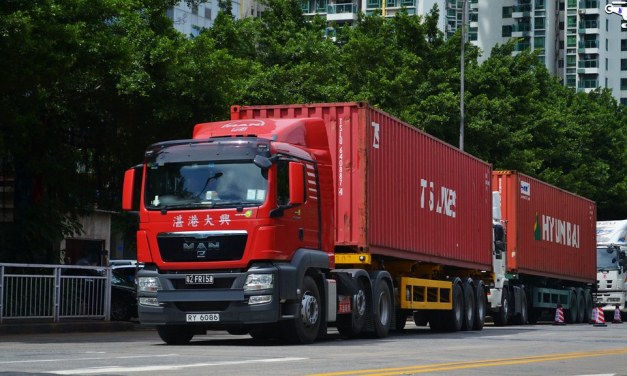
China is accelerating its transition from diesel-powered trucks to electric alternatives at breakneck speed. Once almost entirely dependent on diesel for heavy freight, the country has seen a sharp rise in electric truck adoption, signalling profound changes for fuel consumption and emissions worldwide.
In 2020, diesel trucks dominated new sales across China. Fast forward to 2025, and electric vehicles now represent more than one-fifth of new heavy truck purchases. Analysts predict that this figure could climb beyond half of all new sales within the next year, meaning China’s energy sector will need to dramatically restructure in order to meet new electricity demands.
Heavy-duty trucks play a crucial role in economic activity but are also major contributors to carbon emissions. Historically, the sheer weight of batteries limited the practicality of electric models, making diesel and liquefied natural gas (LNG) appear more viable. However, advances in battery performance and declining costs have tilted the balance, making electric vehicles an attractive and commercially viable choice for fleet operators. Despite higher upfront prices, electric trucks now offer significant lifetime savings due to reduced fuel and maintenance expenses.
Alongside these economic efficiencies, the Chinese government is rewarding electrification efforts through a series of ambitious government incentives including programs that reward owners for trading in older vehicles.
Infrastructure development has further fuelled the shift, with key freight corridors now featuring rapid charging stations, and major cities investing in high-capacity charging hubs capable of powering heavy trucks in minutes. Battery manufacturers are also introducing innovative solutions such as battery-swapping systems, reducing downtime and improving operational efficiency.
As electric trucks gain popularity, China’s demand for diesel is already declining sharply. LNG, once viewed as a cleaner bridge fuel, is also beginning to lose momentum. Industry experts suggest this trend could ripple across international energy markets, reshaping trade flows and reducing fossil fuel dependency in freight transport.
This rapid acceleration towards electrification starkly contrasts with the situation in the U.S which has seen a slowed growth in EV adoption following the end of the EV tax credit. The gap highlights a growing divide in the global drive toward clean mobility.
Keep up-to-date with the latest mobility news by subscribing to MOVEMNT’s free newsletter
by Eve Stevens | Nov 20, 2025 | Autos, Fleets |
News
Pony.ai, a global leader in autonomous driving technology, today announced its line-up of fourth-generation (Gen-4) autonomous trucks, positioning itself at the forefront of China’s autonomous logistics transformation.
Set to hit Chinese roads in 2026, these long-range autonomous trucks will join Pony.ai’s existing fleet of robotaxis which already operate in several Chinese cities including Shenzhen and Guangzhou.
The announcement marks a new phase of maturity for autonomous freight in China, the world’s largest long-haul trucking market, offering what Pony.ai claims will be a safer and more sustainable alternative to human-driven freight transportation.
The autonomous trucks will utilize 100% automotive-grade components, reducing the bill-of-materials (BOM) cost per vehicle by as much as 70% compared to the previous generation, reducing waste and cutting manufacturing costs.
Pony.ai ambitiously claims the vehicles, developed with manufacturing partners including SANY Truck, will reduce per-vehicle carbon emissions by about 60 tons annually.
Much like Pony.ai’s Gen-7 robotaxis, the first two truck models will be built on battery-electric vehicle platforms and will be subject to the same rigorous testing and safety standards as their smaller counterparts.
Testing will include electromagnetic compatibility, reliability, high-temperature, and cold assessments, as well as evaluations against extreme weather and challenging road conditions.
Pony.ai stated in a press release:
“The Gen-4 autonomous trucks will elevate the safety and reliability of autonomous freight transport to a new level.”
Should these vehicles pass the extensive testing regime laid out by the company, the economic implications for freight providers could be substantial; early trials suggest that autonomous formations could cut freight costs per kilometre by 29% and boost profit margins by 195%, underscoring the strong economic case for autonomous trucking at scale.
Despite Pony.ai’s ambitious foray into heavy-freight autonomy, it remains to be seen how the public will respond to self-driving technology on this level. While impressive safety statistics and rapidly improving technology may be shifting public opinion on autonomous cars, the question remains whether the world is ready for mass autonomous deployment on a truly macro scale.
Keep up-to-date with the latest mobility news by subscribing to MOVEMNT’s free newsletter
by Eve Stevens | Nov 19, 2025 | Autos, Fleets |
News
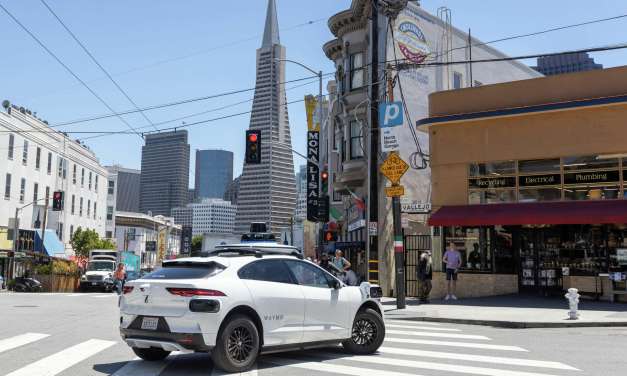
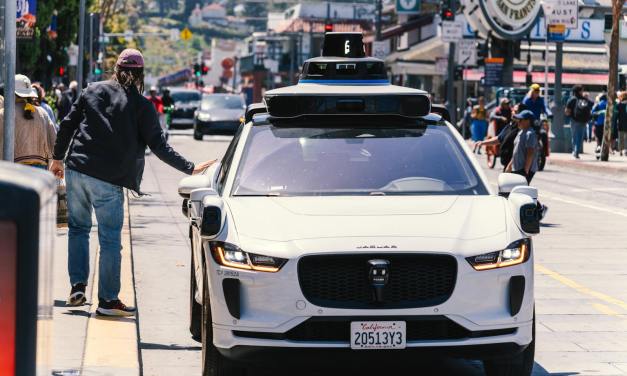
Google began testing its autonomous ride-hailing service, Waymo, in San Francisco back in 2009. Since then, the Bay Area has become a hotbed for autonomous innovation, with Waymo now expanding its service to Californian freeways, as announced earlier this month.
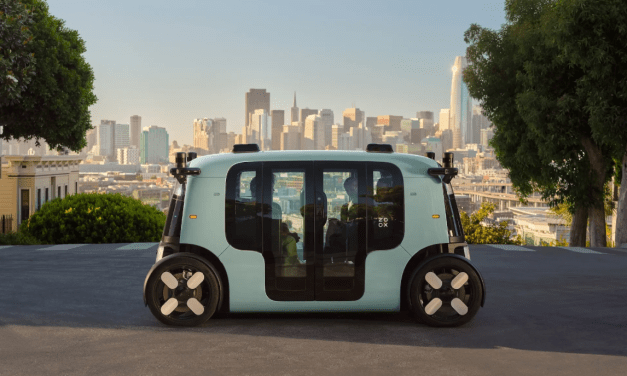
Now, autonomous-vehicle enthusiasts in the City by the Bay will have the chance to hail a second autonomous transport service: Zoox. The project, backed by Amazon, began testing in 2017 and is characterised by its toaster-like vehicles with no steering wheels.
Under the Zoox Explorer programme, riders will be expected to add their name to a waitlist via the Zoox app, where they will await selection. In the initial stages, all rides will be free before the project is expanded to include a paid service.
In a statement to the press, Zoox CEO Aicha Evans said:
“Zoox has been testing our autonomous technology in San Francisco since 2017; it’s our home. A city of innovation and progress, with an amazing mobility ecosystem that we feel Zoox can really complement. We have seen incredible interest in Zoox in this market and are excited about this first step to bring our purpose-built robotaxi experience to more people.”
In the initial stages, Zoox will run in select neighbourhoods, including SoMa, the Mission, and the Design District before the service is expanded to other parts of the city.
Zoox began in 2014 and was acquired by Amazon in 2020 in a $1.3 billion deal. The company is currently offering a similar free service on the Las Vegas Strip as it awaits regulatory approval for a paid service.
Keep up-to-date with the latest mobility news by subscribing to MOVEMNT’s free newsletter
by Eve Stevens | Nov 4, 2025 | Autos, Business, Fleets |
News
Waymo, owned by Google’s parent company, Alphabet, is consolidating a foothold in the Midwest. This week, the company announced it will be moving to the Motor City, bringing its self-driving robotaxi service to Detroit.
Detroit will be the sixth U.S. city to receive Waymo’s driverless service, after San Francisco, Los Angeles, Phoenix, Atlanta, and Austin.
On November 3, Waymo announced its entry into other U.S. locations, including San Diego and Las Vegas. This news follows last month’s announcement that Waymo is expanding into Europe, with plans to launch its ride-hailing robotaxis in London as early as 2026.
While the cars will begin with manual safety drivers, they will progress into fully autonomous ride-hailing vehicles after an initial trial period.
The company has already begun testing its vehicles in the cold, icy conditions of Michigan, expanding its capabilities in unpredictable, snowy weather. Having carried out testing in Michigan’s Upper Peninsula, Waymo is confident its robotaxis will be a match for the harsh winters of Detroit.
Waymo’s latest expansion has received praise from many Michiganders, who have applauded the effort for providing accessible transportation to members of the community who may otherwise be excluded from driving. One such advocate is Andrea Schotthoefer, president of the Epilepsy Foundation of Michigan, who said in a news release:
“For many people living with epilepsy, transportation is a significant barrier,” Schotthoefer said. “Waymo’s efforts show what’s possible and inspire collective action toward a future where transportation barriers no longer stand in the way of opportunity and inclusion.”
Waymo’s autonomous ride-hailing service has also received support from other groups, such as Mothers Against Drunk Driving, who have lauded the service as an accessible deterrent against dangerous drunk driving. Regional Director Alex Otte said:
“While we know that the decision to drive impaired comes down to personal responsibility, MADD is supportive of safe alternatives like planning ahead, rideshare, and non-drinking designated drivers, and we are excited for Waymo’s introduction to the Detroit community.”
Despite initial praise, Waymo’s expansion does not come without controversy. Waymo has hit headlines recently over concerns regarding the safety of its vehicles; this autumn, an investigation was launched into around 2,000 Waymo taxis after one reportedly drove around a stationary school bus.
The investigation follows a similar inquiry earlier this year by the National Highway Traffic Safety Administration, which saw 1,200 Waymo robotaxis recalled over concerns about their ability to perceive hazards under low-visibility conditions.
Waymo has also been in the news this week after one of its driverless robotaxis collided with and killed a well-loved neighbourhood cat in the Mission District of San Francisco.
Keep up-to-date with the latest mobility news by subscribing to MOVEMNT’s free newsletter
by Eve Stevens | Oct 27, 2025 | Autos, Fleets |
News
In the city of Riyadh, Saudi Arabia, users of Uber will now have the option to hail an autonomous robotaxi alongside standard ride-hail services.
The development is the result of a strategic partnership between Uber and WeRide, forged in September 2024, which saw the rollout of autonomous pilots across the city.
For now, WeRide’s next generation GXR robotaxis will be equipped with a safety operator during the early stages of operation. The autonomous vehicles will subsequently transition to fully driverless operation. This phased approach allows for vital data collection and fine-tuning under varied conditions.
This achievement marks the first time that autonomous vehicles are publicly available on the Uber platform in Saudi Arabia.
In the early stages of deployment, the commercial fleet will operate on a designated route linking Roshn Front and Princess Noura University.
Jennifer Li, CFO and Head of International at WeRide, spoke on the topic:
“We’re proud to partner with Uber to introduce autonomous mobility in Riyadh, marking another global milestone for WeRide and for the Kingdom’s journey toward smart and sustainable transport.”
Earlier this year, the partners announced plans to expand further into new markets, aiming to enter 15 cities outside the U.S. and China.
Sarfraz Maredia, Global Head of Autonomous Mobility & Delivery at Uber, described the achievement as “an important next step in our progress across the Middle East”.
by Eve Stevens | Oct 17, 2025 | Autos, Fleets |
News
Legacy auto giant Stellantis and Chinese autonomous driving technology company Pony.ai have announced a strategic partnership aimed at bringing Level 4 autonomous robotaxis to Europe.
Following news earlier this week that Waymo plans to roll out driverless robotaxis on the streets of London, this new partnership marks the latest development in the race toward autonomous deployment in Europe.
In a joint statement on Friday, Stellantis and Pony.ai announced plans to launch test robotaxis in Luxembourg, home to Pony.ai’s European division. Pilot programs are set to begin in the coming months.
The pair also expressed their ambition to extend trials beyond Luxembourg into other European cities starting in 2026.
Speaking on the ramifications of widespread autonomy, Stellantis’ Chief Engineering and Technology Officer, Ned Curic, said:
“Driverless vehicles have the potential to transform the way people move in our cities, offering safer and more affordable options for communities.”
As part of the joint venture, Stellantis and Pony.ai will jointly develop and test SAE Level 4 (hands-off, eyes-off) autonomous vehicles, integrating Stellantis’ AV-Ready Platform with Pony.ai’s autonomous driving technology.
The project will initially focus on the development of medium-sized electric vans.
Founded in 2016, Pony.ai already operates fully driverless robotaxi services in several Chinese cities.
The European race for the widespread deployment of autonomous vehicles is very much underway as competitors WeRide and Baidu Apollo have also began their expansion into the European market. Baidu Apollo will be beginning trails in Germany and the UK, whilst WeRide has decided on Switzerland as the launchpad for its own autonomous trails.
Want to keep seeing which stories are sparking the mobility community? Sign up to our MOVEMNT newsletter for weekly updates.
by Eve Stevens | Oct 15, 2025 | Autos, Fleets |
News
As early as next year, Londoners could expect to see driverless robotaxis joining the ubiquitous black cabs on British roads.
Waymo, the Alphabet-owned autonomous car company, announced on Wednesday that it hoped to kick-start its planned entry into Europe with the UK capital.
The decision follows the relaxation of autonomous vehicle regulations by the Labour government under the UK Automated Vehicles Act. This new legislation permits a small number of robotaxis to be launched to customers on a pilot basis without the requirement of a safety driver behind the wheel.
Whilst Waymo has begun discussions with the UK Department for Transport and Transport for London, it will have to wait for regulatory approval before beginning the project.
Waymo is already operating in five cities in the US and has a pilot programme in Tokyo, operational from April 2025.
The company hopes that its arrival in London will help the UK catch up with the US and China, where autonomous vehicles are already a common sight on busy city roads.
Waymo’s co-chief executive, Tekedra Mawakana, expressed excitement at the planned UK launch in an interview, saying:
“We’ve demonstrated how to responsibly scale fully autonomous ride-hailing, and we can’t wait to expand the benefits of our technology to the United Kingdom.”
Waymo’s bid for UK roads has faced criticism from sceptics who question whether an autonomous vehicle fleet trained on data gathered in cities such as LA and San Francisco will be able to adapt to the often congested, winding streets of London.
Others, such as UK Transport Secretary Heidi Alexander, have praised the decision, arguing:
“Boosting the AV sector will increase accessible transport options, alongside bringing jobs, investment and opportunities to the UK.”
Subject to government approval, Waymo’s pilot will allow passengers to hail a Waymo using the company’s app. It is likely that the initial pilots will be restricted to a small area of London, allowing a handful of customers access to robotaxis in the venture’s early stages.
by Eve Stevens | Aug 18, 2025 | Autos, Business, Fleets |
As autonomous vehicle (AV) technology hurtles towards wide-spread commercialization, the U.S. is proving that there is no single roadmap for AV success. Instead, the regulation of AVs represents an irregular patchwork where each state defines its own rules, timelines, and barriers to entry. For companies like Waymo, Tesla, and Zoox, navigating this fragmented landscape is as critical as the technology itself.
The federal government plays a limited role in AV legislation, focused primarily on vehicle safety standards under the National Highway Traffic Safety Administration (NHTSA). Instead, the real regulatory action takes place at the state level. This uneven regulatory environment is creating clear winners and losers, with some states welcoming largely unrestricted AV innovation and others erecting tricky, bureaucratic roadblocks.
According to a March 2025 report from Wells Fargo Securities, about 23 U.S. states- representing roughly 50% of the population- have light-touch or no AV-specific regulations. These states are greenfields for AV companies eager to test and launch commercial operations. Texas, for example, requires no special permits beyond standard traffic compliance, making it a hotbed for potential launches.
In contrast, California, which is home to about 15% of the U.S. rideshare market, has the most stringent and complex regulatory process. AV companies must secure up to seven different permits from both the Department of Motor Vehicles (DMV) and the California Public Utilities Commission (CPUC) to operate commercially. While Waymo has successfully navigated this labyrinth, Tesla has not yet received even the first-level testing permit.
Tesla in Texas
Last week, Tesla was granted a permit to offer its ride-hailing service in Texas. The company, which has been offering a limited AV pilot service in Austin since June, plans to take advantage of Texas’ less stringent AV regulation. CEO Elon Musk has ambitious plans for Tesla’s self-driving cars. Speaking at the company’s second-quarter earnings conference call in July, he said:
“I think we’ll probably have autonomous ride-hailing in probably half of the population of the US by the end of the year.”
With minimal regulatory friction, Texas presents an ideal testing ground to kickstart Musk’s expansive vision. However, the company still faces internal hurdles. Despite its ambitions, Tesla’s Full Self-Driving (FSD) software remains classified as Level 2 autonomy, meaning a human driver must remain in control. The presence of job adverts for safety drivers across U.S. cities suggest that Tesla is still in the data collection phase, rather than ready for full deployment.
Waymo’s Strategic Edge
Meanwhile, Waymo is striding ahead, with commercial driverless services already live in cities like San Francisco and Phoenix, and expansion plans for 12 more markets. Its AVs operate at Level 4 autonomy and have logged over 50 million miles, with safety data showing 81% fewer injury-causing crashes than human drivers.
Patchwork Challenges Ahead
This inconsistent landscape poses both opportunities and challenges. In states like Georgia, Florida, and Nevada, AV companies face minimal regulatory hurdles. But in 16 states, covering 23% of the population, AV regulations remain undefined, making investment risky.
As the AV industry continues to grow, the absence of a national regulatory framework could slow progress and create safety and equity gaps. For now, AV companies must continue playing regulatory hopscotch, tailoring their strategies to the unique demands of each state. Until the U.S. reaches some consensus on AV policy, whilst the road ahead may be autonomous, it is far from uniform.
To hear more about the ways that AV regulation is shaping the future of autonomous travel, join us at our MOVE America event this September.
With speakers from Waymo, Uber and Volkswagen, our ADAS and Autonomy stage brings together some of the greatest minds in AV innovation. Find the full list of guest speakers here.
Don’t miss out on being part of the discussion. Buy your tickets here today!
by Eve Stevens | Aug 11, 2025 | Autos, Energy & Charging, Fleets |
News
US company, Terbine, has launched its own AI-powered platform to streamline EV infrastructure.
The platform, known as Strata, provides an overview of the EV charging network, only directing vehicles to charging stations that are fully operational and available for use.
Harnessing the power of AI, the platform provides a supervisory tool that addresses the common challenges faced by EV fleets today.
These include broken or faulty charging stations that disrupt operations and increase overall downtime.
CEO of Terbine, David Knight, said,
“With Strata we leverage agentic AI and other sophisticated tools including an advanced policy engine that deals in real-time with data access and ownership rights, regulatory and liability issues, plus other elements needed to create a solution that works for all of the players involved with the EV ecosystem.”
The project attempts to incorporate agents from across the spectrum of EV operations, including consumer, commercial, agriculture, construction and military logistics.
Using data from public chargers, private depot and third-party providers, Strata focuses on creating an interconnected network across wide geographies, providing real-time updates.
Strata relies on advanced sensor fusion techniques, bringing together multiple data streams. These metrics are then processed by AI to predict disruptions before the point of user impact.
The platform could have the capacity to redefine fleet operations. With access to driver-powered apps, Strata can direct drivers or robotaxis to only the chargers that are confirmed to be operational.
It remains to be seen what impact the platform will have on EV operations. If used correctly, it could offer large-scale fleet operators the opportunity to cuts costs and increase efficiency.
Jamie Allison, Terbine Board Member, said in an interview,
“By harnessing Agentic AI at the edge, Strata is building that crucial orchestration layer between infrastructure and machines including vehicles, drones, support infrastructure and more. That’s the ‘STRATA-spheric’ leap needed as we scale the future of mobility.”
by Grace Dawes | Jul 3, 2025 | Autos, Fleets, Interviews, MOVE, Popular, Smart Cities, Tech & Data |
At MOVE 2025, Dr. James Peng, CEO and Co-Founder of Pony.ai, shared insights into the company’s journey and the future of autonomous mobility.
Founded nearly nine years ago, Pony.ai aims to make transportation safer, more accessible and cost-effective through cutting-edge AI technology.
Dr. Peng highlighted the company’s latest breakthrough, the launch of its Gen-7 autonomous driving system, which reduces costs by two-thirds and is ready for mass production.
Watch the full interview with Pony.ai’s CEO below.
by Grace Dawes | Jul 2, 2025 | Autos, Energy & Charging, Fleets, Keynote videos, MOVE, Popular |
Wen Han, Chairman, Founder & CEO of Windrose hosted a keynote talk at MOVE 2025 discussing how he is making electric commercial trucking a reality.
Han highlighted several key themes shaping the future of heavy-duty trucking. Central was the push for a truly global, zero-emission electric truck platform designed for interoperability across markets and trailers.
Range and charging speed emerged in his talk as critical factors, with Windrose breaking records in real-world long-haul performance matching diesel trucks.
Another theme was modular, localised production to adapt to different regions and supply chains.
Watch Han’s full keynote talk below.
by Grace Dawes | Jul 2, 2025 | Autos, Fleets, Keynote videos, MOVE, Popular, Tech & Data |
At MOVE 2025, leaders from Baidu, Oxa, May Mobility and Einride came together to discuss autonomous mobility for people and goods.
A key focus was the varied global landscape: China leads with extensive large-scale driverless deployments, the U.S. offers diverse operational environments including challenging weather and Europe emphasises shuttle-based models and regulatory frameworks.
Logistics emerged as a priority sector, with autonomy addressing driver shortages, improving safety, and enhancing efficiency in industrial and freight operations.
Panelists highlighted the importance of regulatory alignment and ecosystem collaboration to enable commercial scale.
Watch the full panel discussion below.
Keep up-to-date with the latest mobility news by subscribing to MOVEMNT’s free newsletter
by Grace Dawes | Jul 2, 2025 | Autos, Fleets, Keynote videos, MOVE, Popular, Tech & Data |
At MOVE 2025, Pony.ai CEO Dr. James Peng discussed the company’s recent IPO and plans to scale its autonomous vehicle fleet.
Since going public in November 2024, Pony.ai has focused on mass-producing affordable, Level 4 driverless cars.
Peng highlighted the company’s regulatory approvals in Luxembourg, chosen for its progressive stance and its strong partnerships with OEMs like Toyota.
Watch the full fireside chat below.
by Grace Dawes | Jul 2, 2025 | Autos, Fleets, Keynote videos, MOVE, Popular |
In this keynote session from MOVE 2025, Kaity Fischer, VP of Commercial and Fleet Operations at Wayve explored the comapny’s innovative use of embodied AI in autonomous driving, highlighting how the company’s end-to-end AI enables scalable, hardware-agnostic vehicle intelligence.
Wayve shared insights on its global expansion, including zero-shot deployment in new cities without prior mapping.
The discussion also covered the company’s partnerships with OEMs like Nissan and the roadmap for advancing from Level 2+ to Level 4 autonomy, emphasising the readiness of technology and infrastructure for widespread adoption.
Watch the full fireside chat with Wayve below.
by Grace Dawes | Jul 2, 2025 | Autos, Fleets, Keynote videos, MOVE, Tech & Data |
In this exclusive talk from MOVE 2025, WeRide Founder & CEO Tony Han reflects on the company’s recent listing on NASDAQ and what it means for the future of autonomous mobility.
Han discusses WeRide’s journey from R&D to commercialisation, including its growing global footprint in markets like the UAE and Southeast Asia.
From robotaxis to autonomous sanitation vehicles, Han shares how WeRide is pushing the boundaries of driverless technology at scale.
Watch the full fireside chat below.
by Grace Dawes | Jul 2, 2025 | Autos, Fleets, Keynote videos, MOVE |
At MOVE 2025, Motability Operations revealed the eVITA. This is a purpose-built, inclusive electric wheelchair-accessible vehicle (eWAV) to ensure disabled drivers aren’t left behind in the EV transition.
Designed with CALLUM, eVITA reimagines accessibility from the ground up: low flat floor, rear ramp access, and forward wheelchair seating.
Watch the full session to see how Motability Operations is shaping a fairer, more inclusive EV future.
by Grace Dawes | Jul 1, 2025 | Autos, Fleets, Interviews, MOVE, Tech & Data |
At MOVE 2025, we spoke with Tony Han, CEO and Co-Founder of WeRide, about the company’s growth and its approach to global deployment of autonomous vehicle technology.
Founded in 2017 in Silicon Valley, WeRide has expanded to operate in 30 cities across 10 countries. The company’s autonomous fleet includes over 1,200 vehicles, such as robotaxis, robovans, and robosweepers. WeRide currently holds driverless permits in five countries: China, the United States, France, Singapore, and the United Arab Emirates.
Han explained that the company evaluates new markets based on factors such as regulatory support and described a vision for mobility where travel time can also serve as productive time.
As WeRide continues to explore new markets including Europe, Japan, and the Middle East, the company remains focused on integrating autonomous technology into real-world urban transportation systems.
Watch the full interview for more exclusive insight below.