News
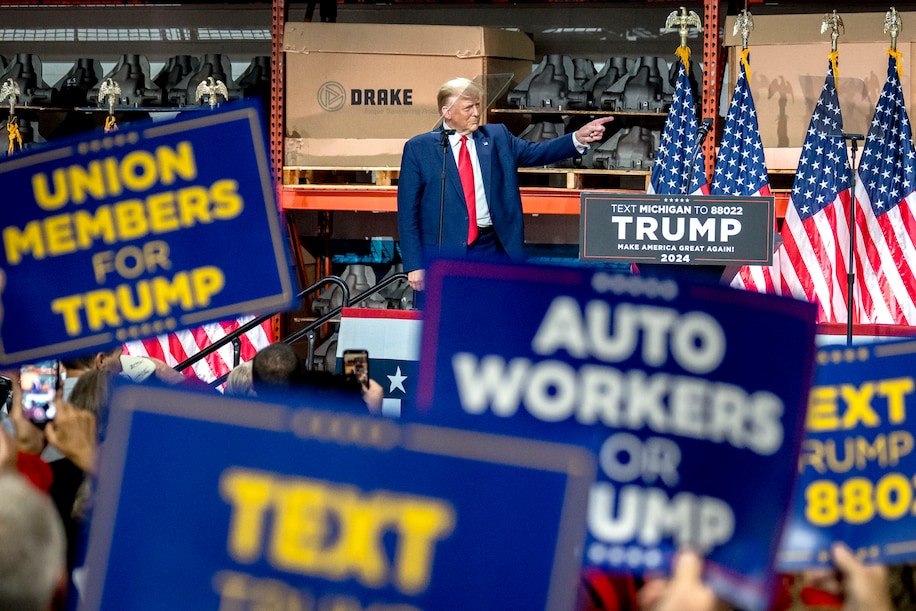
OEMs such as Ford and Stellantis have stood in support of Trump’s controversial decision to roll back federal fuel economy rules for passenger vehicles. The decision, made last Wednesday, reverses many of the mandates introduced under the Biden administration that advocated for cleaner, more fuel-efficient vehicles. Following the rollback of these mandates, known as Corporate Average Fuel Economy rules or CAFE, Americans will no longer be subject to hefty fines for violating these rules, essentially rendering them obsolete. Once formalised and enshrined in law, the changes will apply to all model-year passenger cars and light trucks from 2022 to 2031. Alongside this reversal, Trump’s government has also done away with carbon-offsetting legislation that allowed automakers to buy credits from competitors to avoid paying fines, a system that saw Tesla generate billions of dollars. The reversal marks the Trump administration’s latest effort to erode all legislation aimed at tackling climate change and lowering carbon emissions. Last month, the administration announced it would be awarding new oil and gas drilling permits to projects off the coast of California, in another devastating blow to a unified global climate strategy. Trump defended the decision in the Oval Office, saying:“We’re protecting our auto workers, and we’re making it easier for every family to afford high-quality cars. In other words, we’re bringing automobiles back and the manufacturing of automobiles back into this country.”Many OEMs have spoken out in favour of the decision, most notably Jim Farley, Chief Executive of Ford, who praised Trump on what he sees as a diplomatic win. He said:
“This is a victory of common sense and affordability. We believe that people should be able to make a choice.”The Chief Executive of Stellantis and a plant manager from General Motors were also in attendance when Trump made the announcement. Some environmental lobbyists have pushed back against claims that the new legislation will drive down automotive costs, arguing that an influx of fuel-reliant vehicles could drive up gasoline prices over time. Kathy Harris, Director for Clean Vehicles at the Natural Resources Defense Council said,
“Drivers will be paying hundreds of dollars more at the pump every year if these rules are put in place.”Until now, measures like CAFE have incentivised EV uptake and supported the United States’ gradual green mobility transition. According to the journal Energy Policy, fuel-saving technologies have saved two trillion gallons of gasoline over the last 50 years. With EV adoption already slowing due to the loss of federal incentives and the deepening political divide over electric mobility, this policy shift pushes the U.S. further off course in the global push toward cleaner transportation. Although some OEMs celebrate the move as a triumph of consumer freedom, the long-term global costs, environmental, economic, and social, will be far harder to ignore. Keep up-to-date with the latest mobility news by subscribing to MOVEMNT’s free newsletter