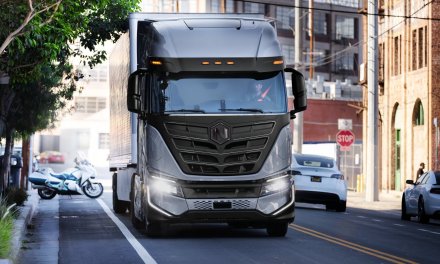
The City of Chicago announced the launch of a new initiative Chicago Electric. This is in line with the goals laid out in the City of Chicago’s 2022 Climate Action Plan to transition 100% of the City’s municipal fleet to electric vehicles or zero-emission alternatives by 2035.
This announcement comes after the US Environmental Protection Agency and the Biden-Harris Administration announced new proposed federal vehicle emissions standards for cars and trucks that will minimize pollution and bolster electric vehicle production in the United States.
“During my tenure as Mayor of Chicago, I have taken swift action to lower the City’s emissions and support new economic opportunities to bolster the green economy in Chicago and beyond,” said Mayor Lori E. Lightfoot. “I am proud to align our goals with President Biden, the US EPA, and our partners in the public and private sectors and to make environmentally responsible choices that serve our city and our planet.”
The City of Chicago currently has a fleet of 11,246 light, medium and heavy-duty vehicles that City employees use in the provision of City services, including waste management and recycling, emergency services, and both external and internal operational services.
Chicago Electric is already underway, and the city plans to install over 190 charging stations citywide at municipal facilities. Additionally, the city will reach a significant milestone in the first year of the program by procuring 182 electric vehicles that will make up approximately 25% of the non-emergency light duty fleet. To date, a total of 176 electric vehicles have been leased or purchased with the bulk of those to be delivered in the coming months.
The City of Chicago has committed to a historic investment of over $42M for Chicago Electric over the next five years sourced through funding from the Chicago Recovery Plan and the City’s Chicago Works capital budget, stated the release. City leaders also plan to maximize federal incentives and other funding opportunities for clean vehicles including EVs and EV charging infrastructure.
“It is incumbent upon the City to lead by example in ensuring we reduce our environmental footprint while taking advantage of unprecedented and lucrative federal tax incentives to do so,” said Commissioner Blakemore. “Through Chicago Electric, AIS will cycle out gas vehicles at time of replacement, prioritizing light-duty vehicles for this first cycle.”
In addition to the City’s commitment to electrify its entire fleet by 2035, the CAP acknowledges the need for a multi-pronged community-scale approach that prioritizes cleaner fuels in both personal and commercial vehicles, increased access to public transit, and more options for other modes of transportation including biking and pedestrian improvements.