Artificial intelligence (AI) is becoming more and more prolific in the mobility sector, driving innovations that enhance safety, efficiency, and sustainability. From autonomous vehicles to intelligent software platforms, AI-powered solutions are reshaping the way people and goods move in the new world.
With new inventions every day integrating AI across the mobility value chain, it is impossible to separate AI from a mobility industry outlook.
Here are some examples of how AI is shaping mobility today:
Vehicle Safety and Performance
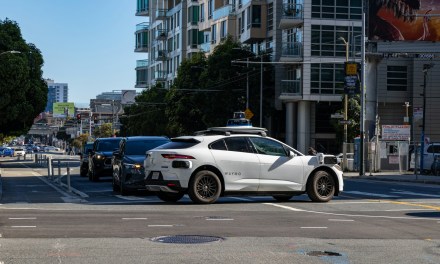
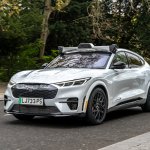
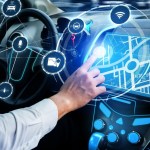
AI-driven technologies are being utilised by companies across the mobility ecosystem and their vehicles to make operations smarter and safer. Advanced driver-assistance systems (ADAS) leverages AI to enhance navigation, detect obstacles, and prevent collisions. Features like automated emergency braking, lane-keeping assistance, and adaptive cruise control are becoming standard, reducing human error and improving road safety. Autonomous vehicle (AV) technology is also advancing rapidly. Self-driving cars rely on AI-powered sensors and machine learning algorithms to interpret surroundings, make real-time decisions, detect potential hazards, and navigate roads efficiently. Some systems even use AI to detect and predict numerous scenarios and learn from them to make autonomous platforms more knowledgable and safe.Smart Transportation Systems
Beyond the actual vehicles themselves, AI is playing a critical role in developing smart transportation systems that improve the movement of urban mobility. Intelligent traffic management solutions can AI to analyse real-time traffic data, adjust signal timings, and optimise traffic flow, reducing congestion and emissions and increasing seamless transportation. Public transportation is also benefiting from AI with predictive analytics helping transit agencies optimise schedules and routes, ensuring reliable and efficient service for passengers. AI-powered ride-sharing platforms also create convenience and reduce the environmental impact by optimising vehicle allocation and reducing the volume of empty trips.Logistical and Economical Uses
The integration of AI in automotive manufacturing and fleet management has been reported to lead to significant cost savings. Predictive maintenance, for example, can identify potential vehicle malfunctions before they occur, reducing repair costs and minimising downtime. Industry experts estimate that AI-driven maintenance solutions could save the automotive sector hundreds of billions of dollars annually by improving efficiency and reducing unexpected failures, according to keymakr.
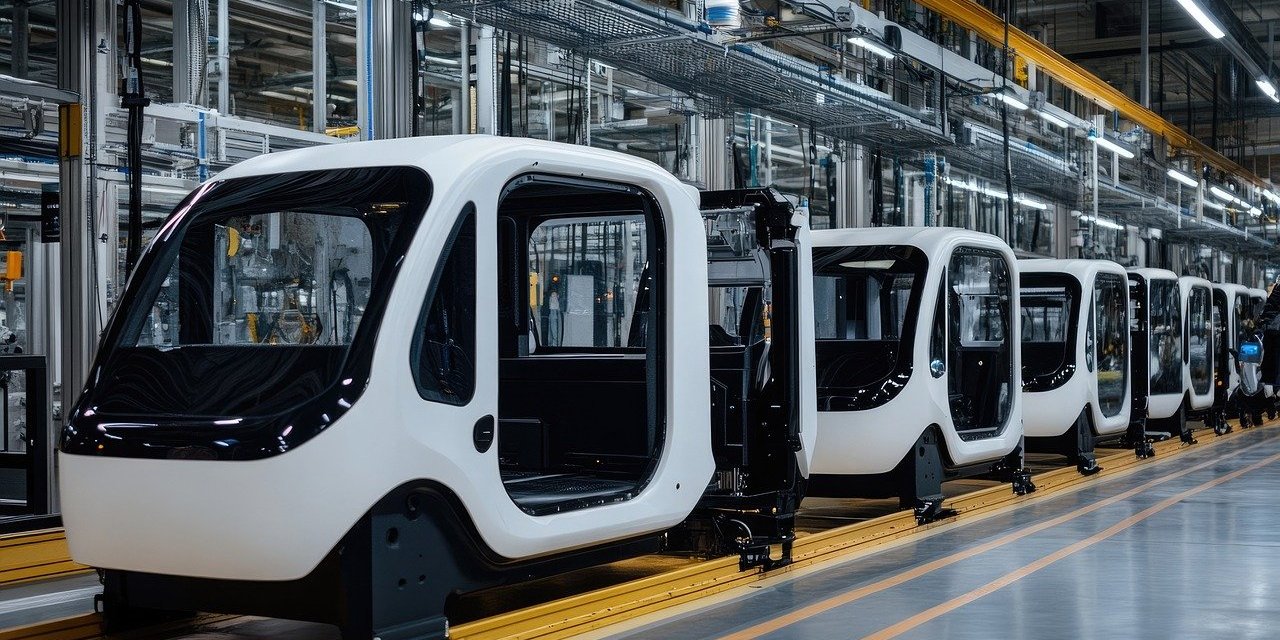
AI is also aiding logistics and supply chains by streamlining inventory management, automating quality control, and increasing production line efficiency. Automated warehouses, predictive demand forecasting, and intelligent routing for delivery fleets are just a few examples of how AI can transform operations.AI in Future Mobility
It is hard to know exactly how AI will continue to advance the mobility ecosystem in every vertical. However it would be safe to assume that AI will continue to be deployed across mobility, particularly in self-driving vehicles, smart city infrastructure, and energy efficiency in transportation. As well as this, its uses are likely to further contribute to safety, sustainability, and economic efficiency.By leveraging AI, the mobility industry can keep moving towards a future where transportation is not only more intelligent but also more accessible, sustainable, and cost-effective for all.
Keep up-to-date with the latest mobility news by subscribing to MOVEMNT’s free newsletter