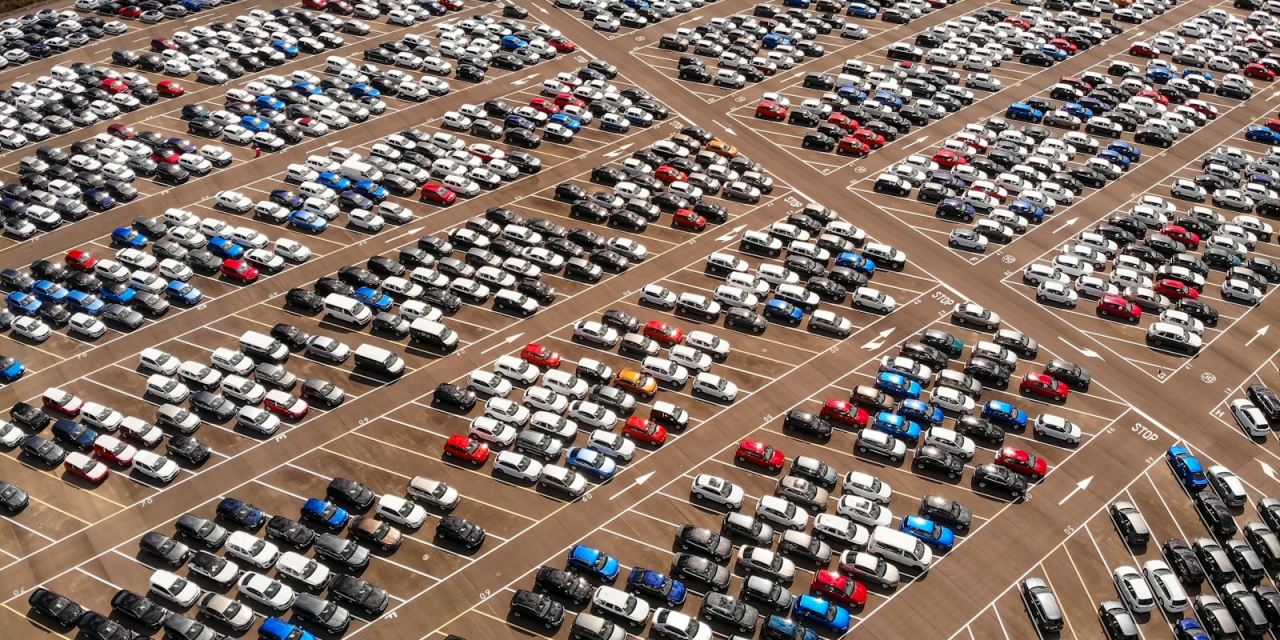
United States (U.S.) President Donald Trump has insinuated that auto companies could receive exemptions from tariffs, causing carmaker shares to rise.
This statement comes after a series of changes on American import duties; Trump announced a 25% import tariff on non-U.S. built autos, then he announced a 10% baseline tariff for all trading partners and eventually called-off all reciprocal tariffs for 90 days.
In a meeting at the Oval Office on Monday, President Trump said:
“I’m looking at something to help some of the car companies where they’re switching to parts that were made in Canada, Mexico, and other places. And they need a little bit of time because they’re going to make them here, but they need a little bit of time.”
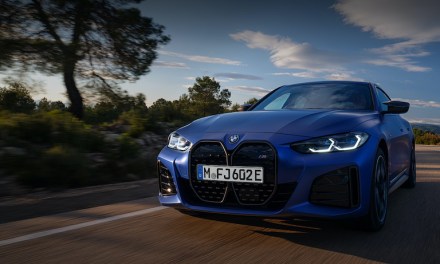
Trump’s promised “help” for carmakers was followed by a jump in shares for auto companies, including Toyota, Honda, Tata Motors, Hyundai, Stellantis, Volkswagen, Mercedes-Benz and BMW.
Whilst each company’s respective shares did not raise by more than 5%, the jump indicates the stock market’s anticipation of further changes to Trump’s tariff plan.
It’s not only the auto industry that has been affected by the yo-yo tariffs, entire supply chains are struggling to move production lines to avoid incurring costs.
Dr. Kieran O’Regan, Co-founder and Chief Growth Officer of About:Energy, said:
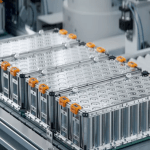
“The tariffs will trigger a major reshuffling of global battery supply chains. For years, Chinese cells were the default for many. That’s no longer viable. But shifting to new suppliers is not just about cost, it’s about time. Simulation is now critical to compress that 12-month cell qualification into weeks. Without it, companies risk falling behind.”
Keep up-to-date with the latest mobility news by subscribing to MOVEMNT’s free newsletter