News
Just this week Honda and Sony have announced they are among dozens of companies scaling back plans to develop luxury EVs. The news follows recent walk backs from automotive manufacturers in the luxury segment including Bentley and Rolls-Royce.
Honda and Sony’s strategic partnership should have delivered a flagship Afeela EV with a premium price tag of $90,000 but the Japanese groups have changed course, abandoning the model altogether. Honda announced an eye-watering $16bn in EV write downs over the last two years following fluctuations in the global market, forcing the company to rethink its global EV strategy.
Founded in 2022, the strategic partnership hoped to create vehicles that stood up to competitors like Tesla and Chinese EV makers such as BYD, Geely and NIO.
The decision marks the latest retreat from a once-united industry push to phase out petrol engines. Their joint venture had aimed to combine Sony’s strengths in sensors and entertainment with Honda’s engineering expertise to create high-end EVs centred on software and elaborate infotainment experiences.
Honda chief executive Toshihiro Mibe acknowledged the uncertainty surrounding the venture, saying the future of models under development “has not been resolved.” The company is now expected to pivot more heavily toward hybrid vehicles as it reassesses its long-term electrification roadmap.
The upmarket segment has historically been slow to make the electric transition. Among other automakers watering down their ambitious EV targets are Bentley and Rolls-Royce.
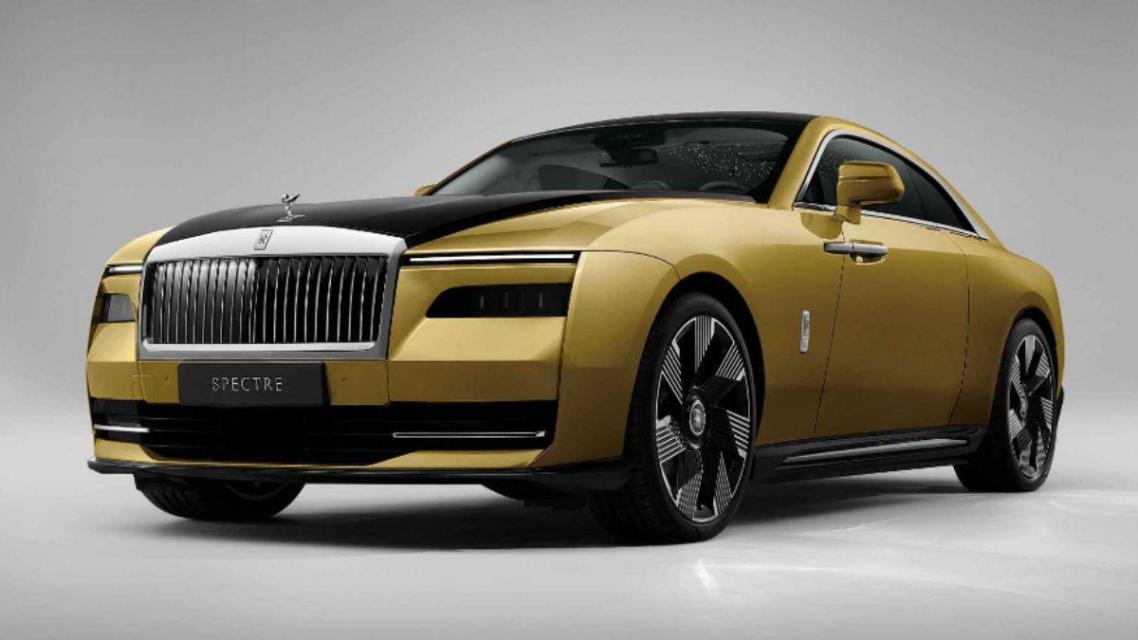
Chief executive of Rolls Royce Chris Brownridge said the company would continue producing petrol-powered models alongside electric offerings, including its all-electric super-luxury coupe, the Spectre. He cited ongoing customer demand as a key driver of the strategy.
“We can respond to our client demand … we build what is ordered,” he said, adding that some buyers still prefer traditional engines. “The V12 is part of our history.”
Bentley has similarly delayed its all-electric transition, pushing its target back to 2035 while announcing job cuts at its UK operations in Crewe.
Across the industry, the pullback has been stark. Carmakers including Ford, Stellantis and General Motors have collectively recorded tens of billions of dollars in EV-related writedowns over the past year.
With the sunsetting of federal EV tax credits, waning demand, and sustained losses, even the most ambitious players in the luxury segment are reconsidering the pace at which they make the inevitable electric transition.
Keep up-to-date with the latest mobility news by subscribing to MOVEMNT’s free newsletter