News
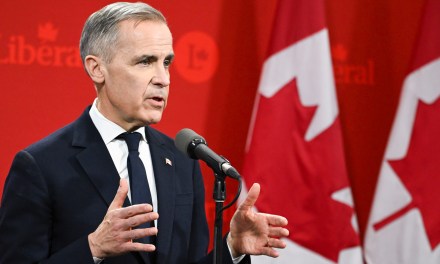
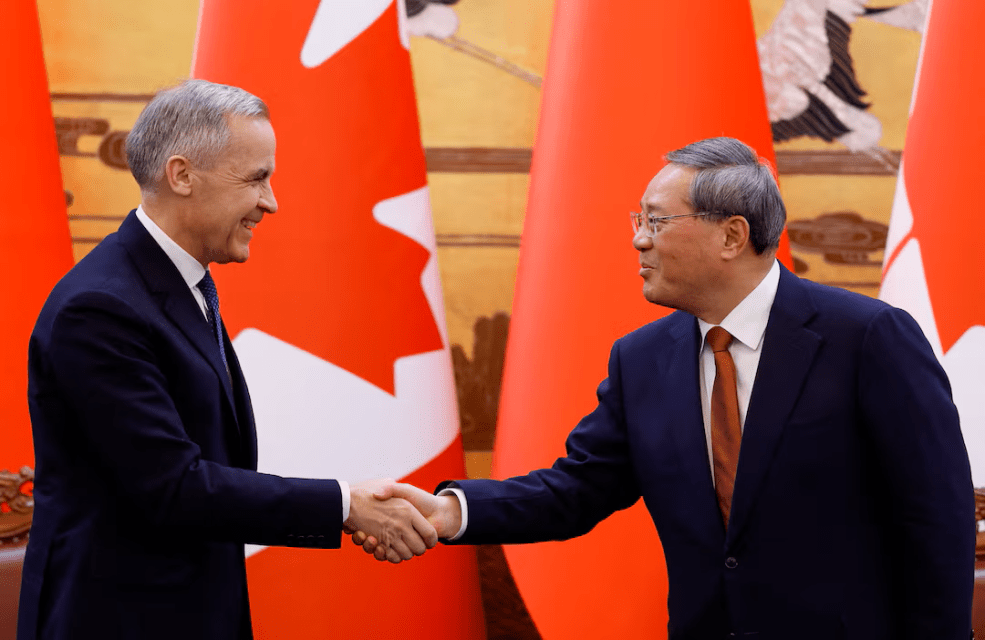
Canadian Prime Minister Mark Carney and Chinese President Xi Jinping have struck a landmark trade deal allowing cheap Chinese EVs into Canada en masse.
This unprecedented strategic alliance, made during Carney’s trip to Beijing earlier this month, will allow up to 49,000 Chinese EVs into the country at a tariff of 6.1%, down from 100%.
This quota will gradually be increased over a five-year period to 70,000. The decision, made on January 16, will lower the cost of Chinese EVs for consumers, meaning Canadians will be able to purchase vehicles from suppliers such as Geely and BYD at a considerably reduced price.
Despite increased affordable consumer choice, many industry experts have warned that this new legislation could weaken Canada’s already beleaguered EV manufacturing base by adding an influx of price-competitive Chinese models.
Research shows that the average Chinese EV model retails for around $10,000 to $15,000 less than its Western counterparts, posing a potential risk to Canadian manufacturers unable to compete on affordability.
Ontario Premier Doug Ford voiced his criticism of the trade deal, arguing it “would hurt our economy and lead to job losses.” In a post on X, he accused Carney’s government of:
“inviting a flood of cheap, made-in-China electric vehicles without any real guarantees of equal or immediate investment in Canada’s economy.”
In exchange for lower tariffs on Chinese imports, Xi Jinping’s government has agreed to lower tariffs on Canadian agricultural products.
The move has been positioned as Canada’s latest attempt to extricate itself from its trade ties with Washington, in the face of the Trump administration’s unpredictable approach to trade and tariffs.
Former special adviser at Canada’s Finance Ministry, Julian Karaguesian, argued that maintaining close trade ties with Washington would do little to benefit the Canadian auto industry. He said:
“The spear point of Trump’s trade policies is to get auto production back into the US. No American cars are going to be made outside of the US. They’re going to come home from Mexico. They’re going to come home from Canada. We’re losing auto production from this administration, so we might as well do what’s in our interests.”
Keep up-to-date with the latest mobility news by subscribing to MOVEMNT’s free newsletter