News
Chinese electric-vehicle maker NIO reported its first quarterly net profit in the final months of 2025, representing a significant milestone for the Shanghai-based company. The result places the automaker among a small but growing group of profitable EV manufacturers in China, the world’s largest EV market, alongside emerging rivals XPeng and Li Auto.
The accolade was fuelled by surging vehicle demand and stronger margins, following a year that began with slower-than-expected sales growth. The company’s upwards trajectory was sparked by the launch of the company’s redesigned premium SUV, the NIO ES8, which quickly became a major contributor to sales.
Chief Executive William Bin Li spoke on the success on Tuesday, saying:
“The NIO All-New ES8 maintained strong delivery momentum, setting a new monthly delivery record among vehicles priced above 400,000 yuan.”
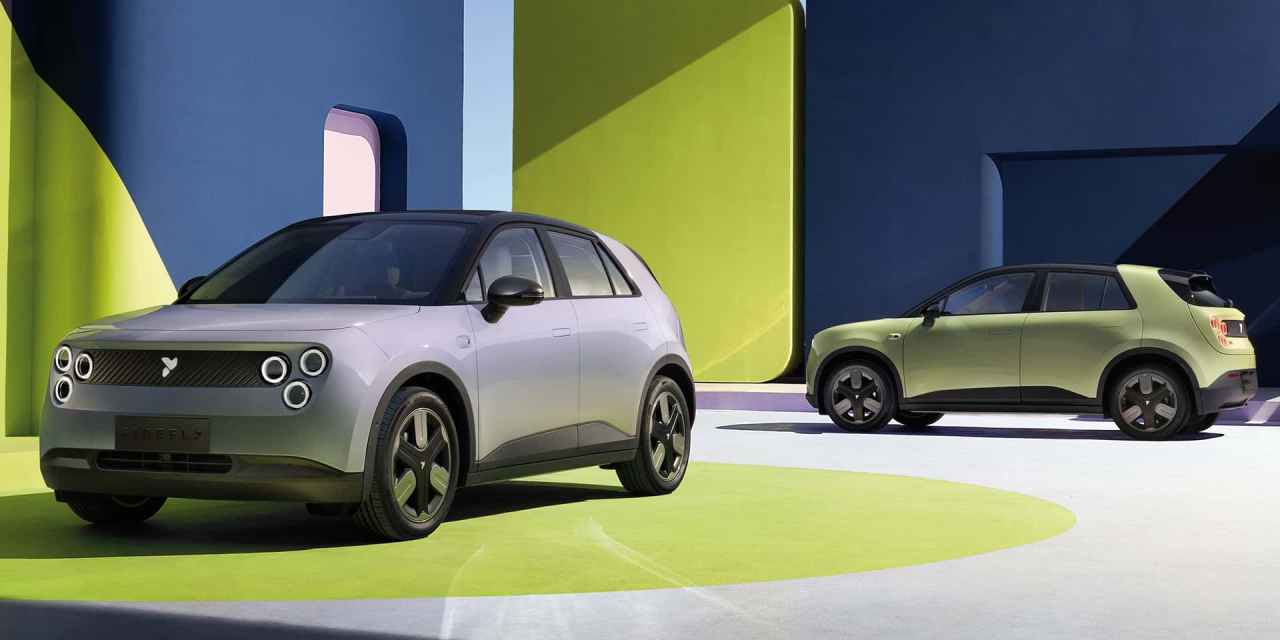
Additional growth came from the company’s expanding line-up, including the ONVO L90 and the smaller Firefly models. Li highlighted their desirability to Chinese consumers, noting that the ONVO L90 was the best-selling large battery-electric SUV last year. Furthermore, its compact Firefly model has taken a leading position in the premium small-car segment.
In the fourth quarter alone, NIO delivered 124,807 vehicles, boosted by a record 48,135 units shipped in December, representing a 72% increase from a year earlier. Demand was also boosted by the ending of government EV incentives as as buyers rushed to secure EVs before discounts were redacted in 2026.
The company reported a net profit of 122.4 million yuan ($17.7 million) for the quarter, reversing a loss of 7.13 billion yuan in the same period a year earlier. NIO’s gross margins also played a part, rising to 13.6% for the year, while the fourth quarter reached 17.5%, supported by this more varied line-up.
A key differentiator for the company remains its battery-swapping ecosystem, which allows drivers to exchange depleted batteries for fully charged ones in minutes. NIO also offers battery-rental services to reduce the upfront cost of vehicle ownership. In February, the company said it had completed 100 million battery swaps, describing the milestone as proof of growing market acceptance.
Still, competition remains intense in China’s saturated EV market. Amongst its rivals is BYD, who recently introduced a new battery capable of charging fully in just nine minutes. This success raises fresh questions about the long-term viability of swapping infrastructure.
Looking ahead, NIO plans to expand internationally, targeting launches in Australia and New Zealand in 2026 and entering Thailand with Firefly vehicles as early as March.
As many other global EV makers wind down their ambitious EV strategy, NIO represents one of several Chinese automakers turning a tidy profit on their electric offerings.
Keep up-to-date with the latest mobility news by subscribing to MOVEMNT’s free newsletter