News
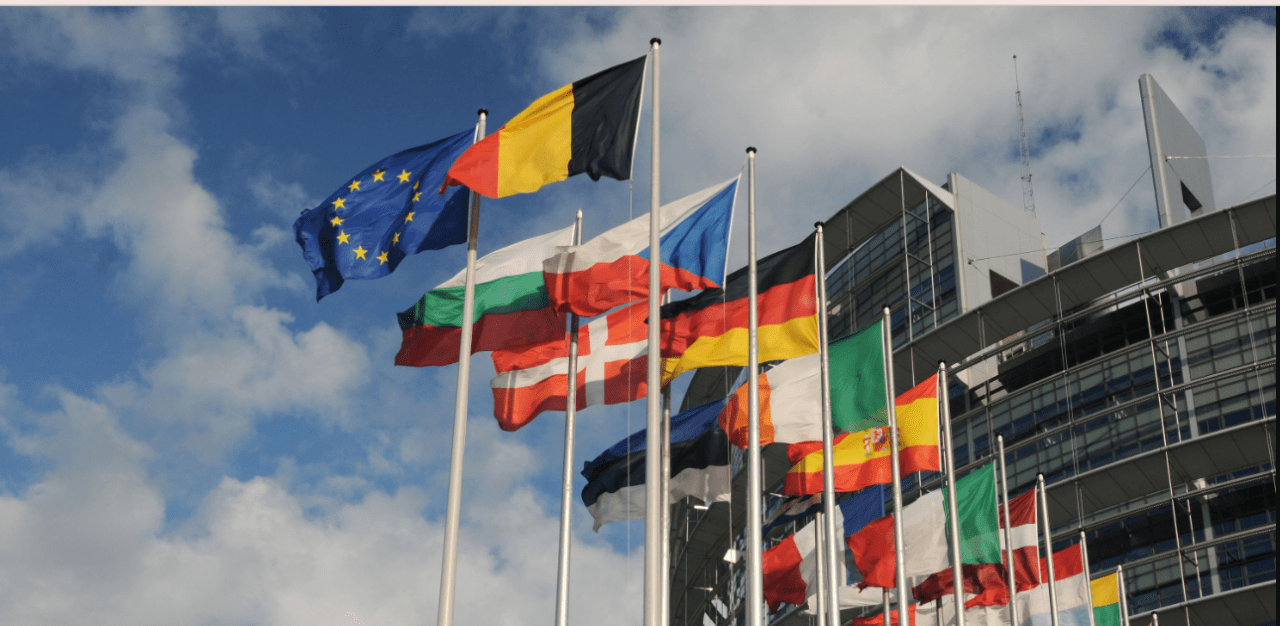
The EU’s “Made in Europe” content laws are set to undergo an expansion, with countries like the UK and Japan included within Brussels’ manufacturing targets. After some debate, the European Commission claims these adjustments will protect European manufacturers, and now those of allied nations, from intensifying Chinese competition.
The mandate requires that at least 70% of new electric vehicle components be manufactured in the EU, or one of its trusted partners, to qualify for government subsidies.
Under the expanded proposal, known as the Industrial Accelerator Act, companies operating in trusted partner countries could gain access to European subsidies for sectors including clean technology, heavy industry and automotive manufacturing.
In total, as many as 40 partners could be eligible, provided they grant similar access to EU-based manufacturers.
EU internal market commissioner Stéphane Séjourné described the change as a major rethink in European policy, saying:
“It’s a change of doctrine that was unthinkable just a few months ago. We must support our strategic sectors.”
The initiative is designed to strengthen the EU’s industrial base, which has struggled to compete with cheaper imports from Asia. One of the act’s central goals is to increase manufacturing’s share of the EU economy from 14.3 per cent in 2024 to 20 per cent by 2035. To help achieve that target, the Commission plans to simplify permitting procedures for manufacturers across the bloc.
However, the proposal also highlights divisions within Europe. France has been a strong advocate of prioritising companies that produce within the EU itself.
French finance minister Roland Lescure and industry minister Sébastien Martin described the proposal as a “major rupture, pushed by France”, but argued that it still does not go far enough to protect European interests.
French president Emmanuel Macron has repeatedly called for a “European preference”, insisting that public funds should help “reduce our dependencies in strategic sectors”.
The UK government welcomed the plan after lobbying efforts from business secretary Peter Kyle, who had urged Brussels to ensure Britain would not be excluded from future European supply chains. The expanded laws demonstrate Europe’s willingness to work alongside strategic allies in an effort to stand up to Chinese competition en masse.
The proposals also include stricter rules on foreign investment in key sectors such as batteries, solar panels and nuclear energy, aiming to ensure European workers and businesses benefit directly from industrial projects.
Before taking effect, the plan must still be negotiated with EU member states and the European Parliament.
Keep up-to-date with the latest mobility news by subscribing to MOVEMNT’s free newsletter