Latest News

Mark Carney unveils Canada’s revised automotive strategy, scrapping EV mandate
On Thursday, Canadian Prime Minister Mark Carney unveiled a revised national automotive strategy that has set a brand new course for Canadian electrification. Announced against the backdrop of rising trade tensions and mounting pressure from U.S. tariffs, the plan represents a shift in how Ottawa hopes to guide the country’s transition to electric mobility.
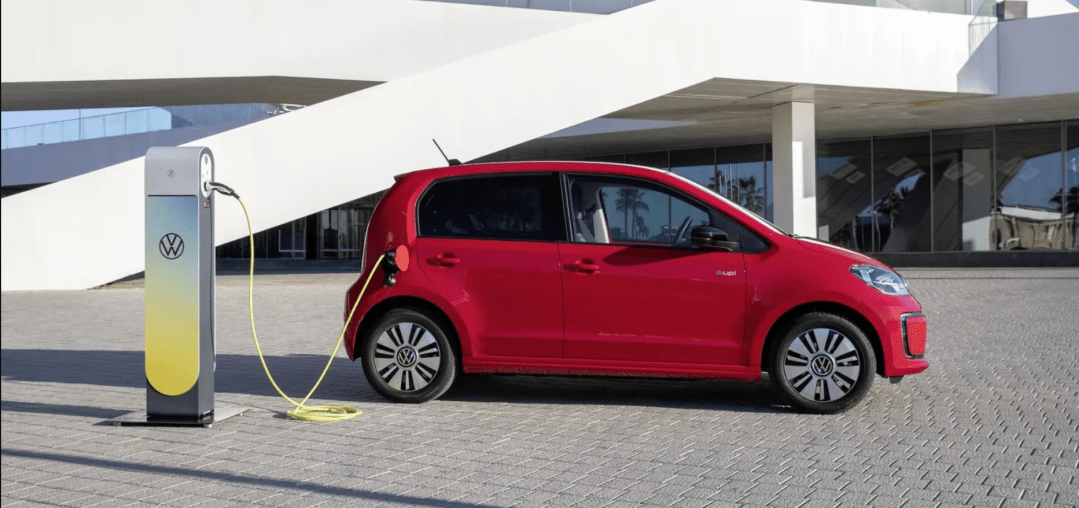
German EV makers race ahead of Chinese imports in domestic sales
Germany has long held the title of Europe’s largest and most significant automotive market, with a rich history of manufacturing and vehicle production. As the birthplace of well-loved legacy brands such as Audi and Volkswagen, the automotive sector continues to make up a significant share of Germany’s overall GDP—around 5%.
It is perhaps this legacy that explains why Germany’s domestic brands continue to outpace international competition in electric vehicle sales, led by brands like Volkswagen—currently the country’s leading EV seller—followed by BMW.

China becomes first country to ban retractable car handles over safety concerns
China is set to become the first country to ban retractable door handles on passenger vehicles. The trend, popularised by EV makers seeking sleek silhouettes and improved aerodynamics, has raised safety concerns amongst vehicle legislators.
The new safety standards were announced by the Ministry of Industry and Information Technology (MIIT) and will take effect in 2027.

Alphabet-owned Waymo targets $110 billion valuation in new funding round
Alphabet-owned autonomous driving company Waymo has ambitious plans to raise $16 billion in a financing round that would see the group’s valuation rise to nearly $110 billion.
The company, which plans to make its entry into Europe this year, starting with the UK capital, has a fleet of more than 2,500 vehicles already in operation.

Toyota holds on to its crown as world’s top-selling automaker for sixth year running
Toyota Motor Corp. has been announced as the world’s top-selling automaker for the sixth year in a row following a year of record sales. The Japanese group extended its lead over rivals despite tariffs, trade disruption and intensifying competition from Chinese EV makers.

Tesla strips 2 models from its line-up in physical AI pivot
Where Tesla was once considered the leader in the electric vehicle revolution, the group, headed by billionaire Elon Musk, has announced that it is broadening its focus, pivoting towards physical AI and robotics.
This decision comes following news that the group had conceded its crown as the biggest global seller of EVs to Chinese rival BYD. However, Musk’s bet on artificial intelligence and humanoid robots may not have paid off just yet, as the company reported its first annual decline in revenue.
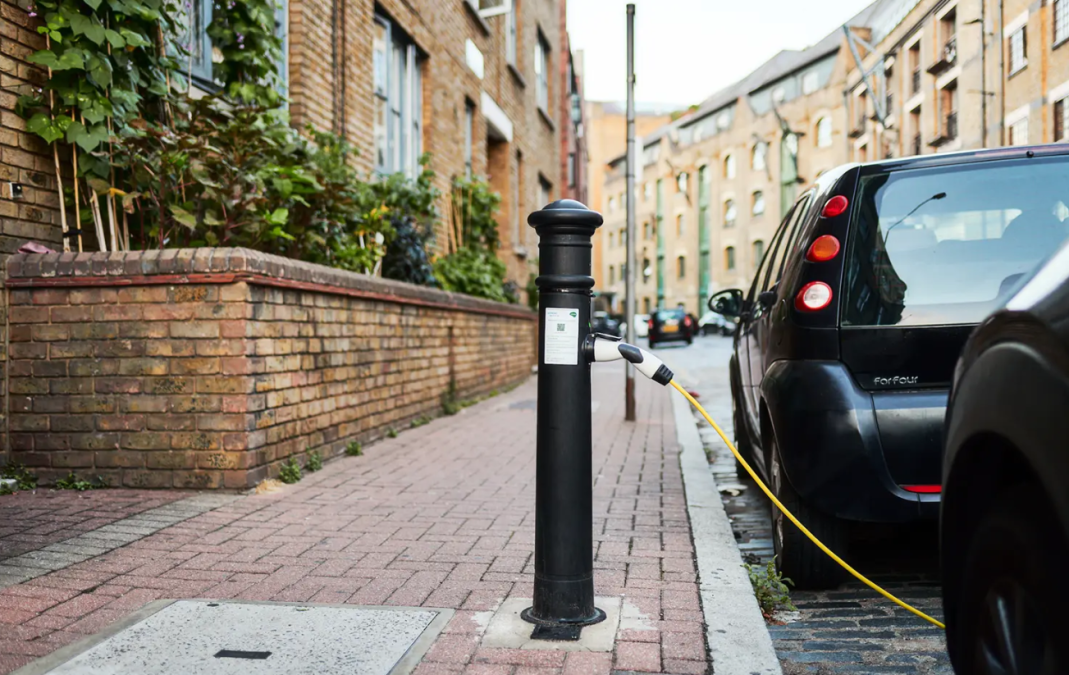
The charge point shortfall: Can the UK build charging infrastructure fast enough for 2030?
EV sales soared to a record high in Europe in 2025, with electric vehicle sales up by 30%. In the UK, the story is much the same, with EV sales surpassing petrol vehicle sales in the month of December and tracking steady growth into 2026.
However, as the market moves towards electrification, analysts have warned that the UK must double the number of electric vehicle charge points it installs annually if it is to meet its 2030 targets.

Canada/ China trade deal promises 49,000 cheap EVs for Canadian consumers
Canadian Prime Minister Mark Carney and Chinese leader Xi Jinping have struck a landmark trade deal allowing cheap Chinese EVs into Canada en masse.
This unprecedented strategic alliance, made during Carney’s trip to Beijing earlier this month, will allow up to 49,000 Chinese EVs into the country at a tariff of 6.1%, down from 100%.

Daimler Truck’s Japanese arm Foxconn accelerates electric bus project
Daimler Truck’s Japanese unit and Taiwan-based manufacturing giant Foxconn are officially taking the next step in their electric vehicle partnership, announcing plans to launch a new bus company later this year. The new project will focus on electric buses for Japan and international markets.
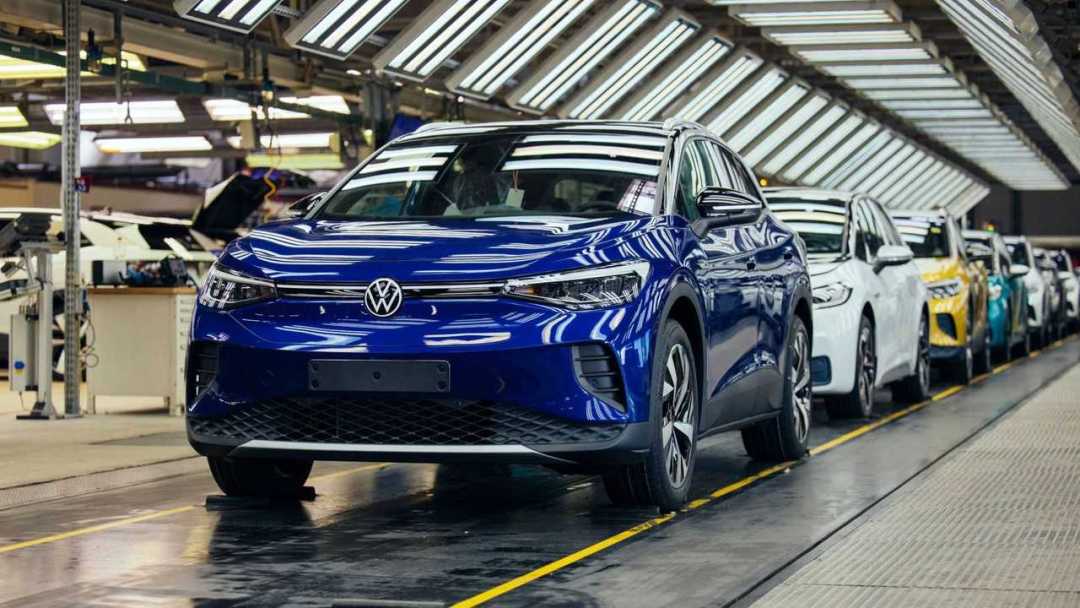
Germany to invest €3bn in electric vehicle incentives
Germany is preparing to relaunch large-scale incentives for electric vehicles, signalling a concerted governmental effort to revive demand after last year’s slowdown.
The federal government plans to allocate around €3bn to a new support programme that will run from the beginning of this year until 2029, aiming to put roughly 800,000 additional low-emission vehicles on the road.

The physical AI revolution: How automakers are rethinking manufacturing in 2026
Conversations around AI are dominating the tech and automotive industries as companies rush to integrate efficiency-boosting AI systems into their manufacturing processes. For many of us, our first introduction to AI is likely to have been through large language models like OpenAI’s ChatGPT or Google’s Gemini.
Now, in 2026, the industry is pivoting from a software-focused approach to a hardware-driven one, moving towards physical applications such as robotics and advanced automation. In this period of strategic change, the question remains: are automakers reading for the physical AI revolution?

Ford in talks with BYD to source batteries for hybrid models
Legacy OEM, Ford Motor is holding discussions with China’s BYD about a possible partnership that would allow the U.S. automaker to purchase batteries for some of its hybrid vehicle models.
The talks are ongoing and remain fluid, with no guarantee that the two parties will arrive at a deal. The somewhat unlikely alliance could allow Ford to import batteries from BYD for use in vehicle production at factories located outside the United States.
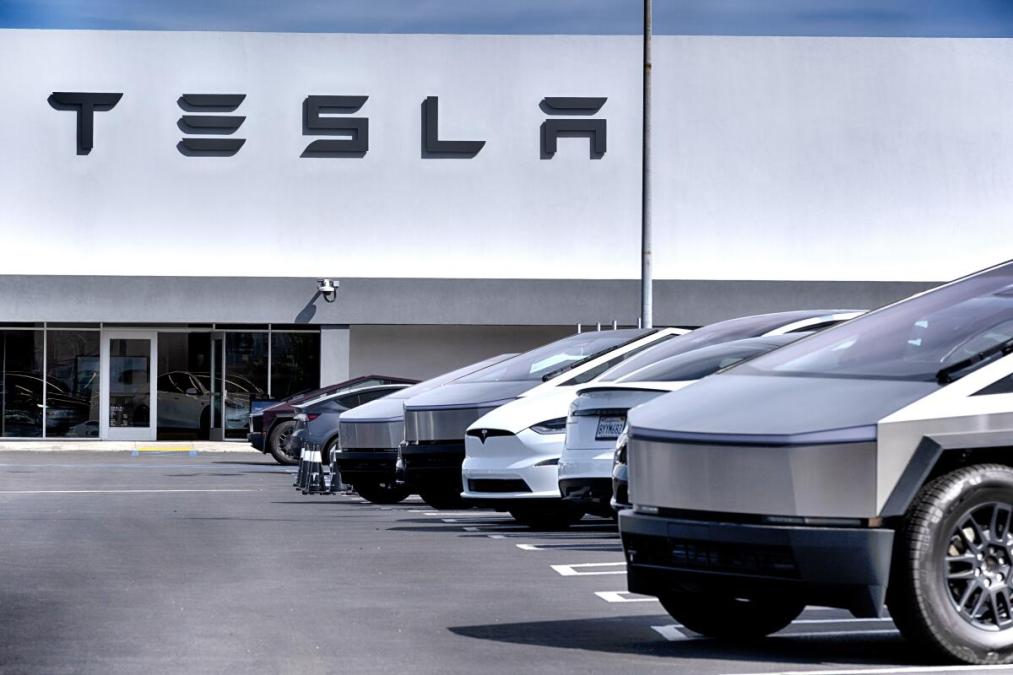
Tesla embraces recurring revenue, offering FSD autonomy as a subscription-only service
Tesla’s Chief executive Elon Musk has confirmed that the company will eliminate the one-time purchase option for its Full Self-Driving (FSD) package in the U.S., moving exclusively to a monthly subscription model beginning February 14.
The move illustrates the brand’s decision to lean heavily in to recurring revenue streams and subscription services—think X premium, launched in October 2023.

New York Governor gives the green light to robotaxis in state address
Robotaxis may be a familiar sight in Texas and California, but as self-driving vehicles ramp up in more than 20 states, New York has historically shown trepidation when it comes to advancing welcoming AV legislation.
All of this could be set to change following New York Governor Kathy Hochul’s unveiling of plans to legalize robotaxis in the state of New York during her State of the State address on Tuesday.
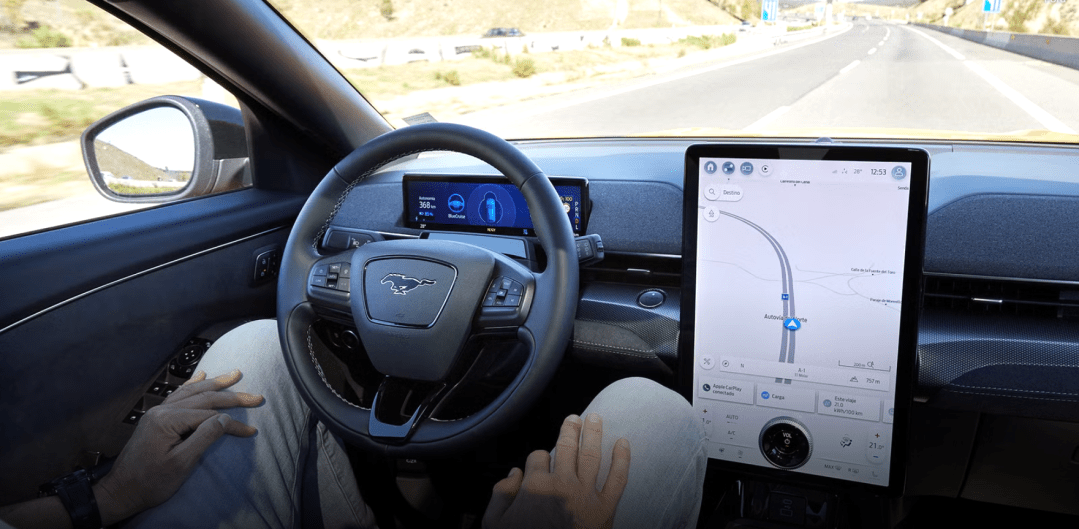
Ford promises Level 3 autonomy by 2028 at CES
A host of exciting developments came out of the Consumer Electronics Show (CES) held in Las Vegas last week.
Among the speakers was Ford’s chief EV, digital, and design officer, Doug Field, who laid out Ford’s roadmap for hands-free, eyes-off driving. Alongside this announcement, Ford revealed plans for an AI assistant and a new “vehicle brain” module.

UK Government unveils new Road Safety Strategy combatting drink driving and inexperienced motorists
This week, the UK government announced its new Road Safety Strategy, the first in over a decade.
The government claims this new strategy will save thousands of lives on UK roads through a series of reforms, including a crackdown on drunk driving and mandatory eye tests for older drivers.
Latest McKinsey report concludes autonomous technology is “developing rapidly, but the future is still in flux”
Globally leading consultancy firm McKinsey & Company yesterday published its third biannual survey on autonomous vehicle technology, the first since 2023.
The report attempts to provide a comprehensive forecast of autonomous technology, offering a deep dive into the current trends and predictions dominating the fast-paced autonomous vehicle industry. Summarising its global findings from 2025, the report began: “Autonomous-vehicle technology is developing rapidly, but the future is still in flux.”

Nvidia unveils AI platform to equip self-driving cars with human-like “reasoning”
The world’s leading AI chipmaker, Nvidia, has announced a new tech platform, Alpamayo, which promises to equip self-driving cars with “reasoning” capabilities.
Taking to the stage at Las Vegas’ CES, Nvidia’s CEO, Jensen Huang, laid out the next leg of the company’s AI roadmap, suggesting it is seeking opportunities to embed AI into physical hardware such as autonomous vehicles.

China’s BYD overtakes Tesla in annual EV sales for 2025
Chinese automaker BYD has usurped Tesla’s title as the world’s biggest electric car maker in 2025. As founder Elon Musk turns his attention to humanoid robots and autonomous driving technology, the American electric car maker is facing declining vehicle sales for the second year in a row, threatening its dominance in the electric vehicle sector.
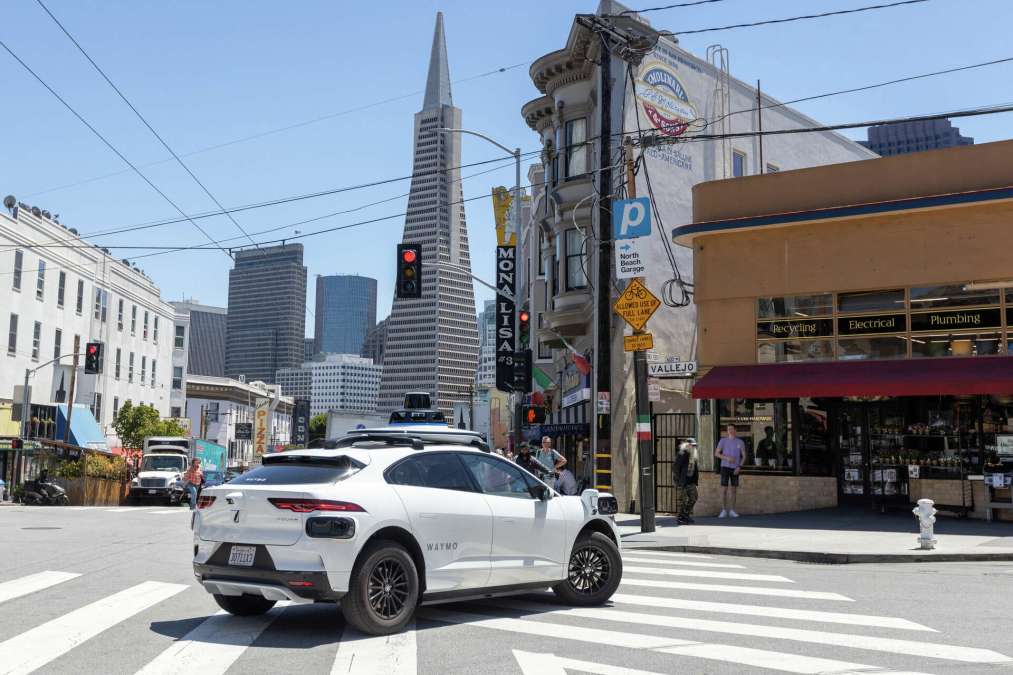
Waymo to update its software after San Francisco power outage wreaks havoc on its robotaxi fleet
Last weekend, Waymo came under fire after several of its vehicles were affected by a citywide power outage in San Francisco that left many of its vehicles stalled at intersections.
Waymo has since announced it will update software across its robotaxi fleet to better respond to outages, while also expanding its first responder engagement and emergency response protocols.
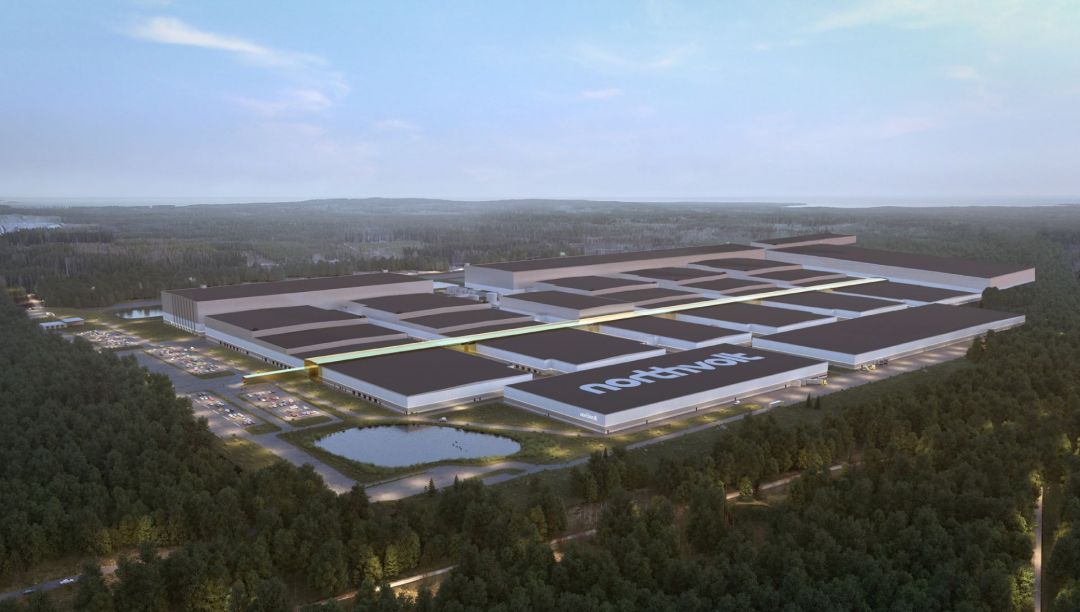
Battery manufacturers say “Made in Europe” regulation is essential to compete with China
Europe’s race to secure its electric vehicle future is increasingly centred on one question: how much of an EV should be made at home?
As Brussels prepares proposals to raise local content requirements for products such as cars and solar panels, senior figures from Europe’s emerging battery industry are voicing strong support, arguing that tighter rules are essential to counter China’s dominance in EV production and adjacent key technologies.

Baidu’s partnerships with Uber and Lyft promise robotaxis in London from 2026
Baidu has announced it will be teaming up with both Uber and Lyft to deliver autonomous robotaxis in London, consolidating the UK as the next hotbed for autonomous innovation.
On Monday, Uber announced it would begin pilot programmes in the UK capital following the unveiling of a strategic partnership with Baidu’s robotaxi unit, Apollo Go, back in July. Pilots are set to begin in early 2026.
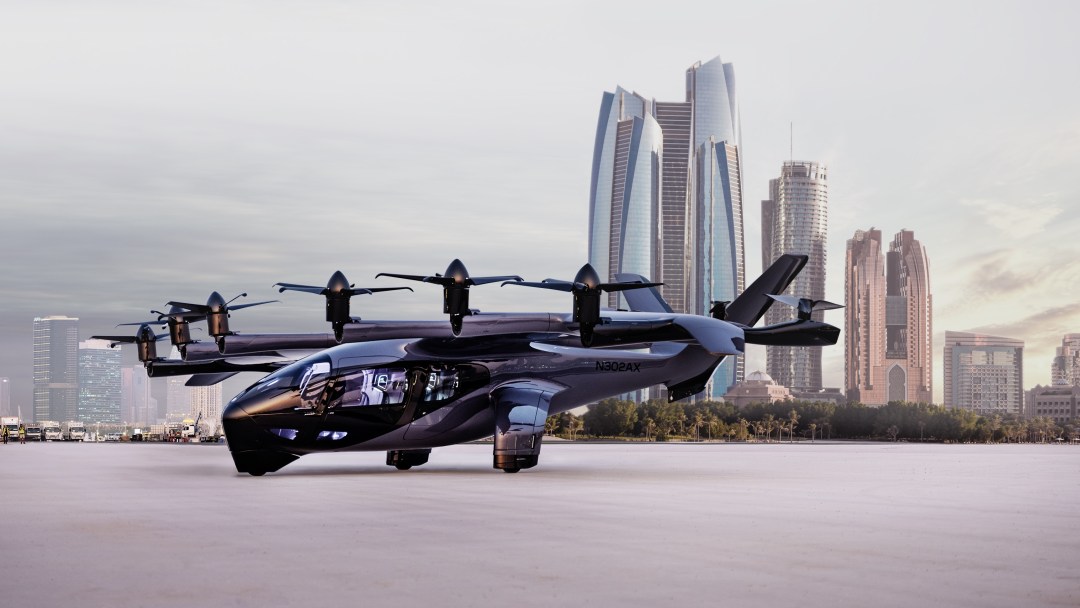
Flying taxi technology ‘takes off’ in the UK and U.S.
Flying taxis may sound like a space-age fantasy, but they could be with us sooner than we think. China has recently approved its first flying taxis for commercial passenger service, granting EHang holdings and its subsidiary Heyi Aviation air operator certificates for short tourism routes.
As extensive piloting and some commercial operations scale in China, the future of flying taxis in the U.S and the U.K could also be just around the corner.

How is MOVE evolving in 2026? Insights from the MOVE General Manager
The MOVE event series is constantly looking for ways to innovate and evolve, striving to platform the most forward-looking themes in mobility and automotive.
To reflect where the industry is headed, MOVE is refocusing on automotive tech, specifically electric, autonomous and software-defined.

Europe accused of ‘mixed signals’ as it softens its 2035 EV mandate
In 2022, the European Union voted to impose a decisive vehicle emissions mandate banning the sale of all new petrol and diesel vehicles by 2035, including hybrids. The legislation reflected the EU’s united effort toward mass electrification and a clean energy transition.
Now, less than a decade out from its 2035 combustion engine ban, Europe is getting cold feet about its EV mandate, with Brussels voting yesterday to revise the goal.

Flying cars, digital twins and interplanetary mobility: Insights from Tim Draper
Speaking with us at MOVE America 2025, Venture Capitalist legend, Tim Draper, joins us on the sofa to offer his candid insights on Detroit’s past, present, and potential future. Our conversation covers topics from across the full breadth of mobility and innovation, discussing everything from flying cars and interplanetary mobility to digital twins and AI.

Europe accelerates towards a circular economy with new regulation on End-of-Life Vehicles
The European Union has announced new legislation that could reshape how vehicles are designed, produced, dismantled and recycled across the EU, following a provisional agreement between the European Parliament and the Council on the Commission’s proposed Regulation on End-of-Life Vehicles.
The End-of-Life Vehicles (ELVs) Regulation comes ahead of the possible relaxation of Europe’s EV mandate, up for debate in Brussels this week, demonstrating Europe’s enduring commitment to a sustainable automotive sector despite EV trepidation.
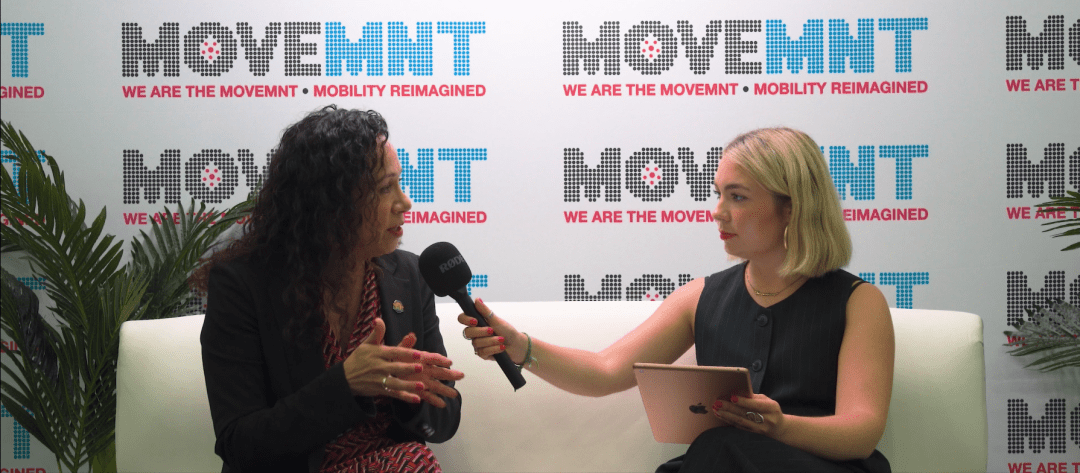
Realizing the Lithium Valley Vision: Insights from the California Energy Commission
Speaking with us at MOVE America 2025, we heard from the brilliant Noemí Gallardo, Commissioner at the California Energy Commission, who shared her insights on EVs, inclusive mobility, and the importance of fostering industry camaraderie.
We discuss the crucial interplay between federal and state politics, using California’s latest investment in the Lithium Valley Vision as a perfect test case for a collaborative approach to mobility innovation.

Follow us!