Latest Video
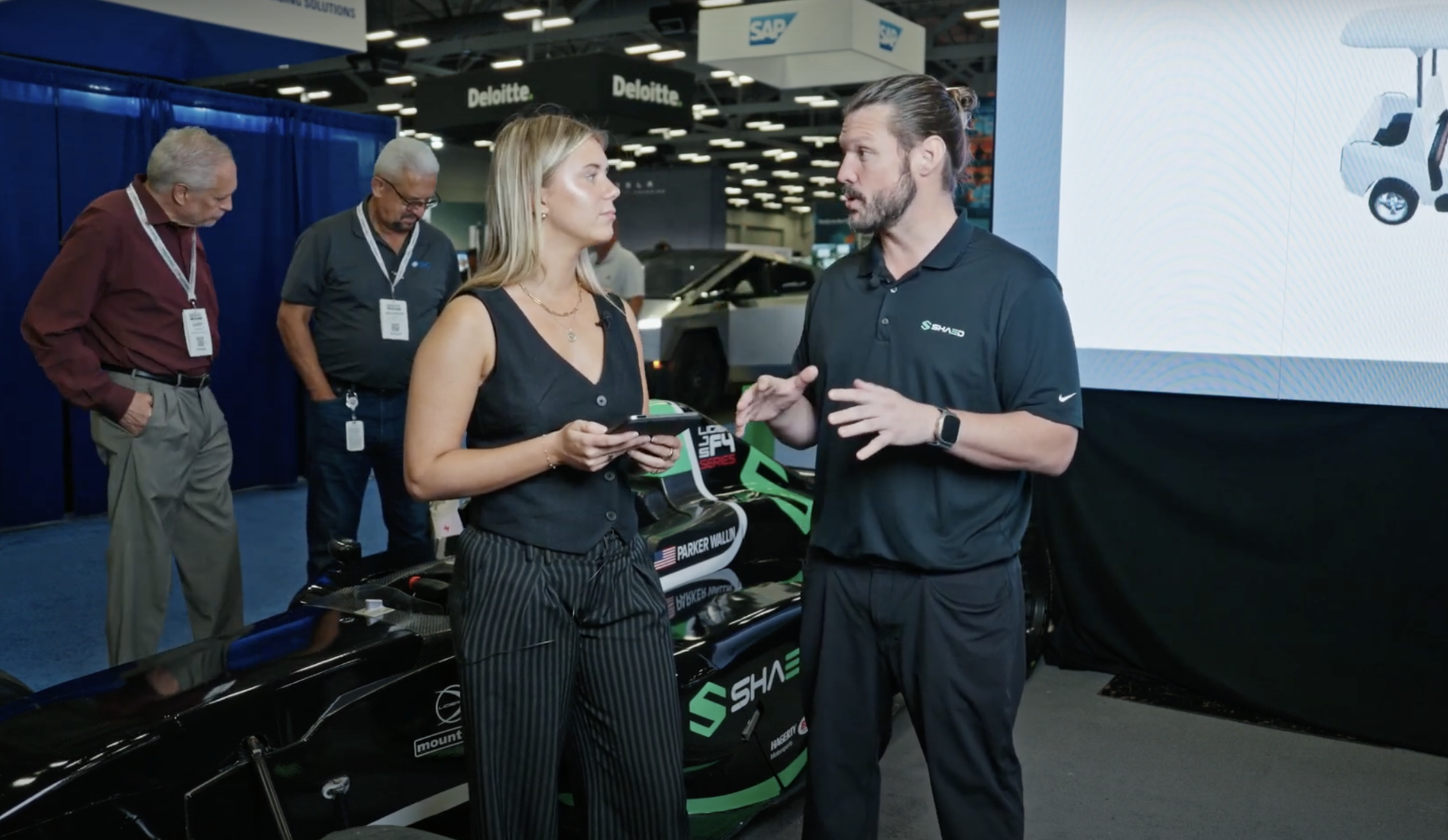
Insights on Mobility’s Future: Ryan Pritchard talks SHAED’s role at MOVE America
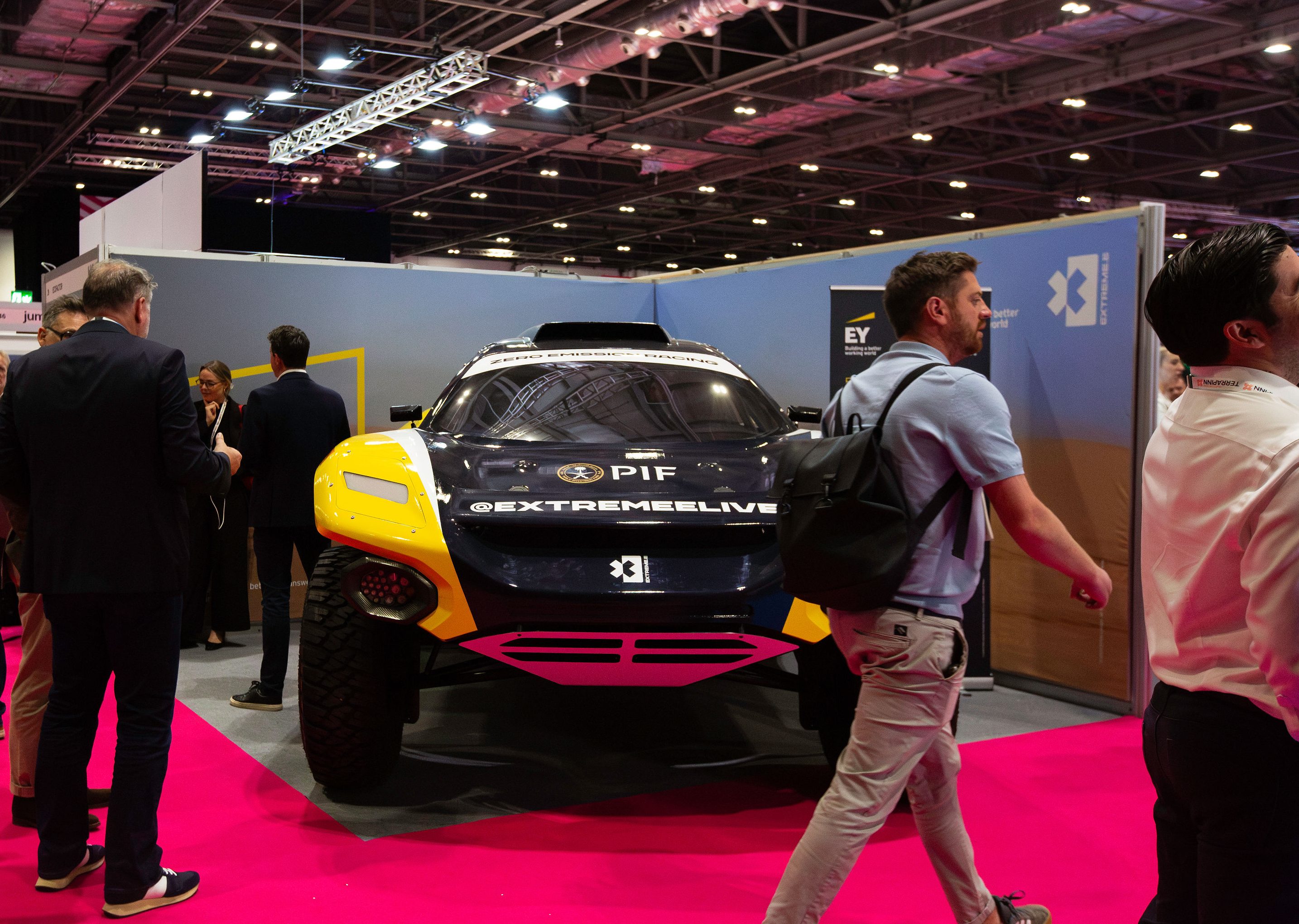
EY tell-all about their Extreme E racing vehicle and commitment to net-zero
How car OEMs are becoming the new software companies with Stellantis, Hyundai,

Navigating mobility risk challenges and creating opportunities with Aon

MOVE 2024 Opening Remarks by Terrapinn and Octopus Electric Vehicles

Driving confidence in EV adoption with NIO, Scania, Sainsbury’s, Centrica, Octopus &
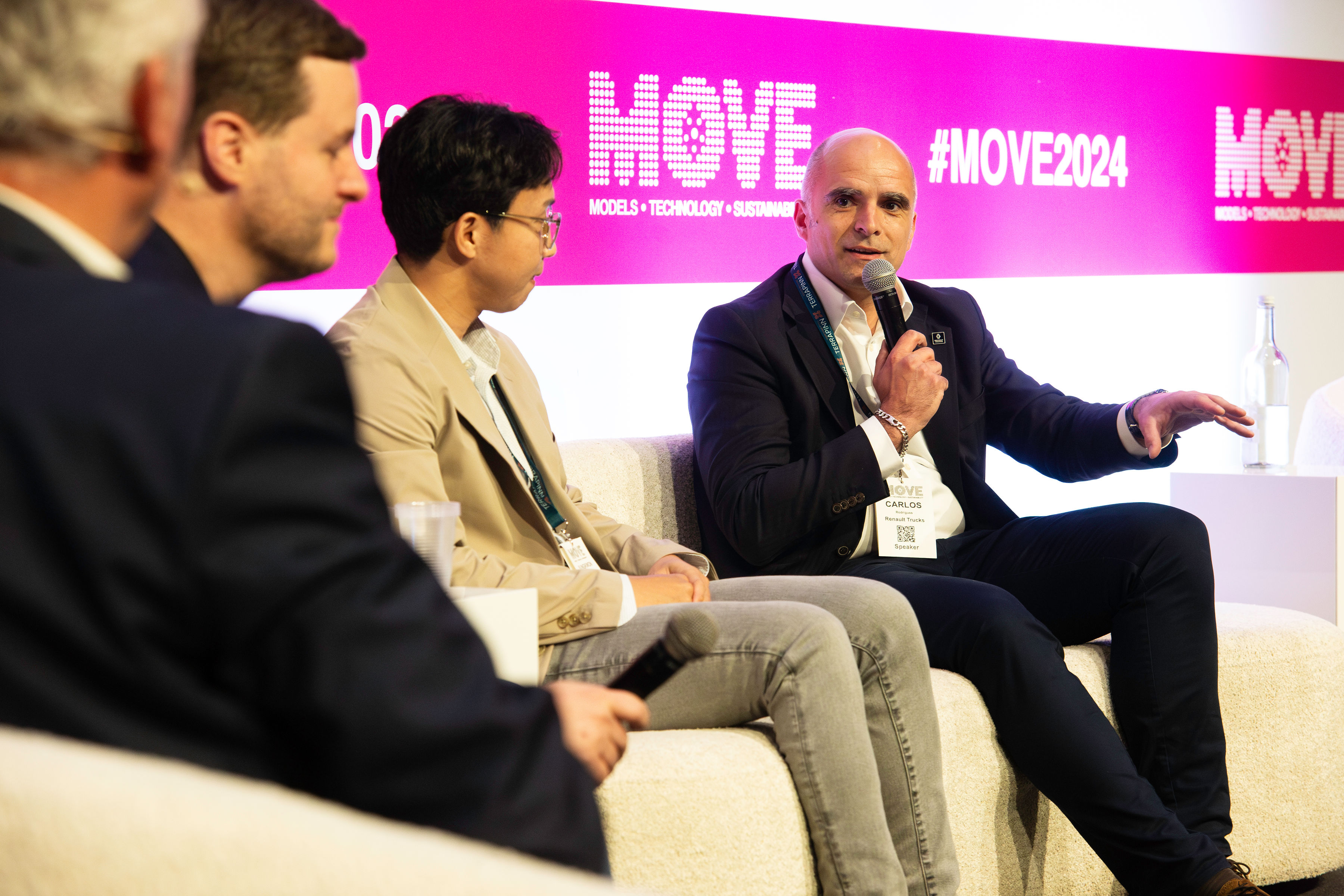
Building resilience across the supply chain with Renault Trucks, Volvo, LG, TDK
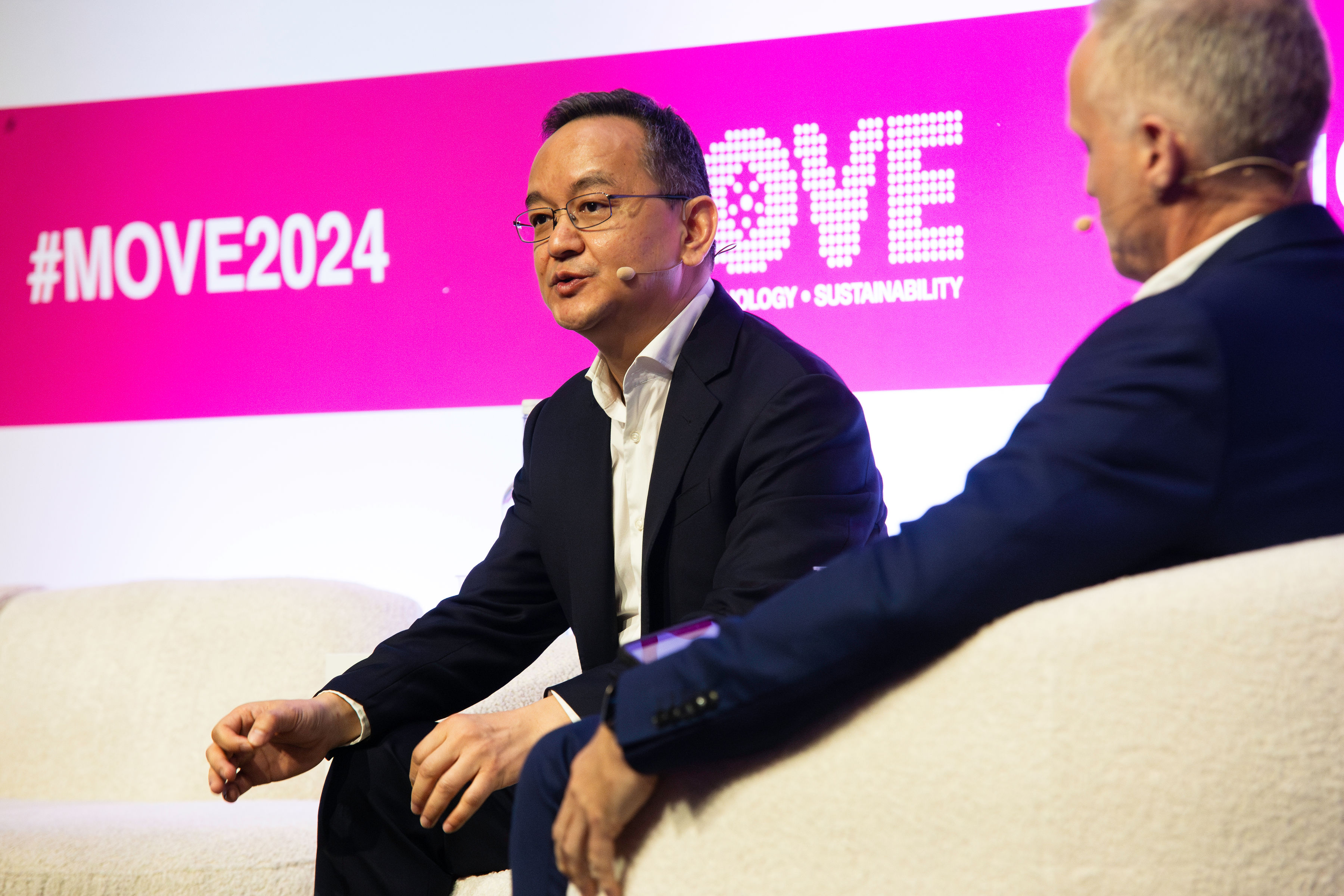
CEO of Pony.ai and Bloomberg Intelligence discussing the future of mobility

Gearing up for the decisive decade with EDP Group

Mastercard and Lyft talk promoting inclusivity through first and last mile connectivity
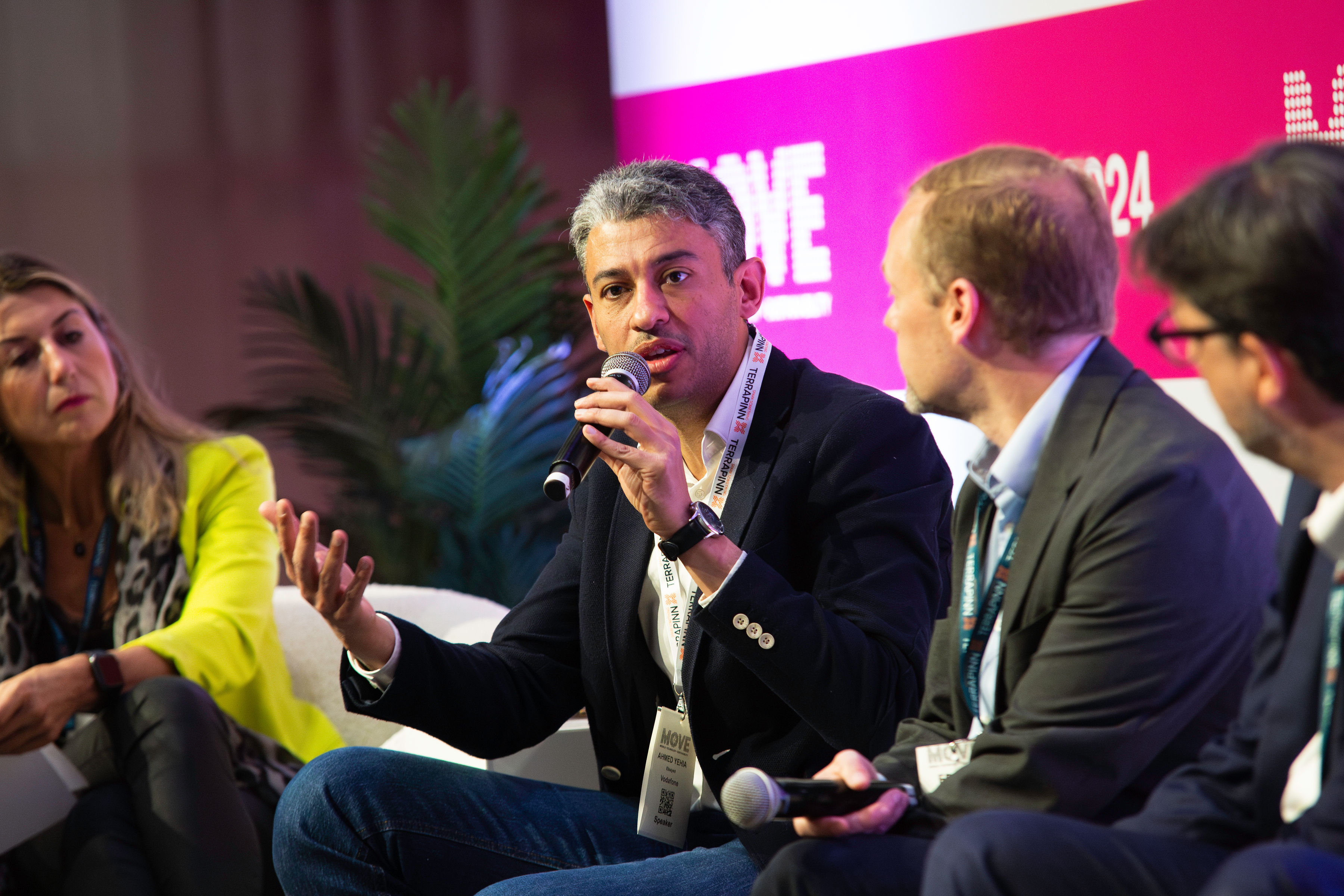
The huge opportunity in thinking differently about cities with Vodafone, TfL, Lyft,
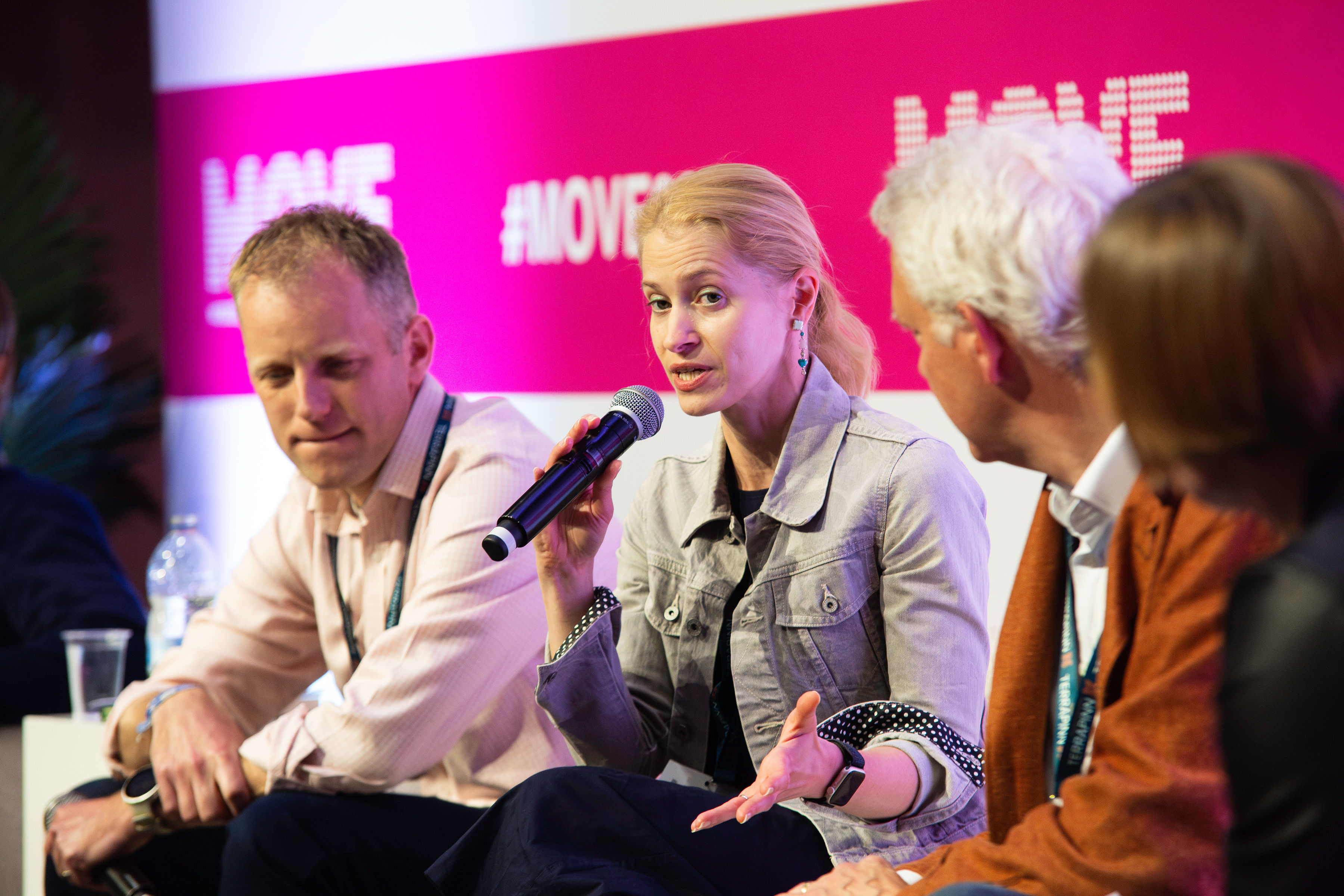
Industry Outlook: Future mobility trends with Stellantis, Uber, HSBC, J.P. Morgan, Transdev

MOVE 2024 Day Two Opening Remarks by EV News Daily

Autonomous now with NVIDIA, Baidu, Volvo Autonomous Solutions and Oxa

Ayvens talks how companies influence the tech, sustainability and models transformation of

ON THE MOVE Pod: “How can mobility businesses ensure customer loyalty in
Part Two – “How driver insight is transforming the way mobility companies

Do you know what your peers are saying about risk?

ON THE MOVE Podcast: Official trailer
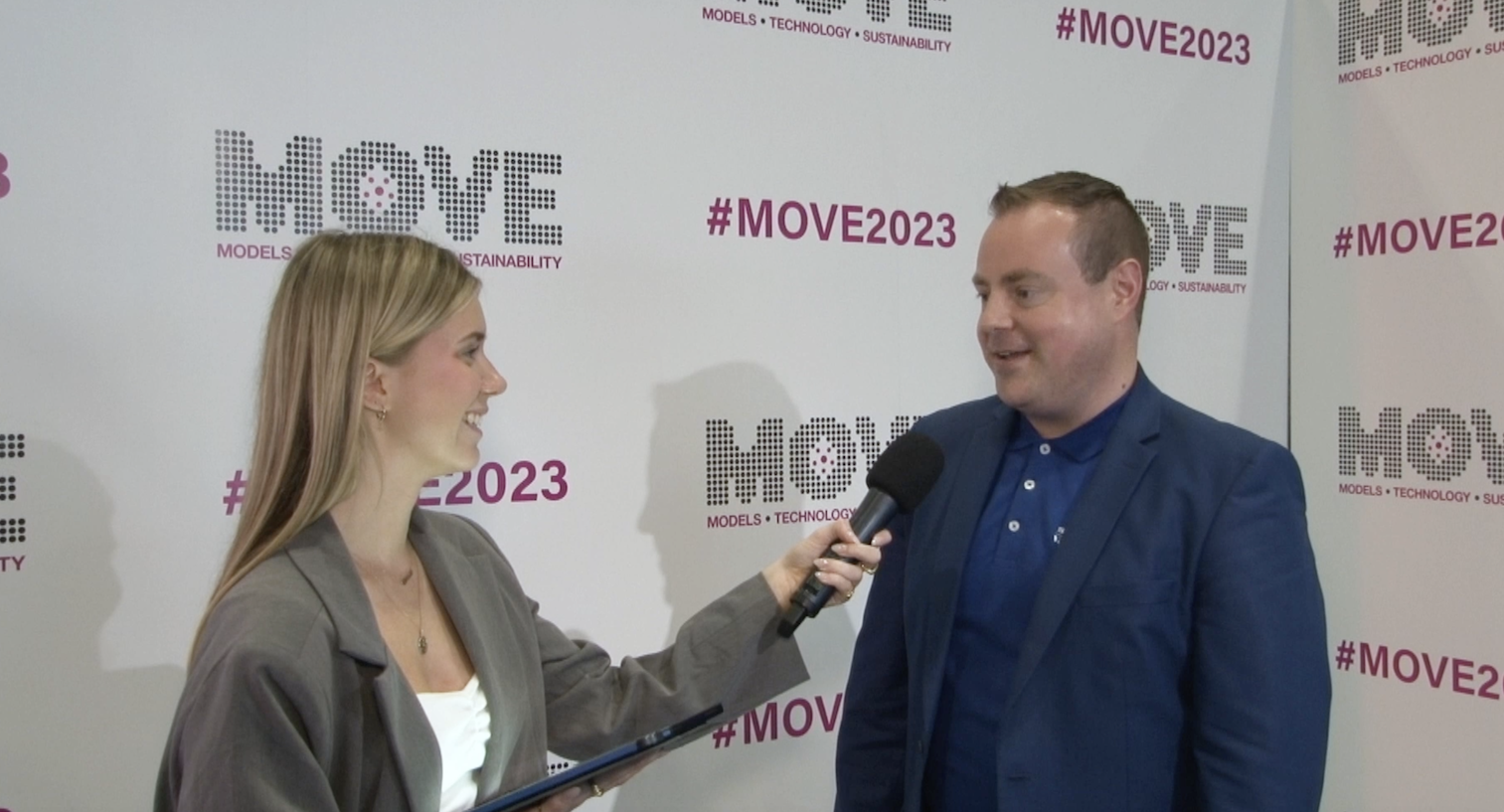
Stellantis Ventures tell how they are heping start-ups in the push for
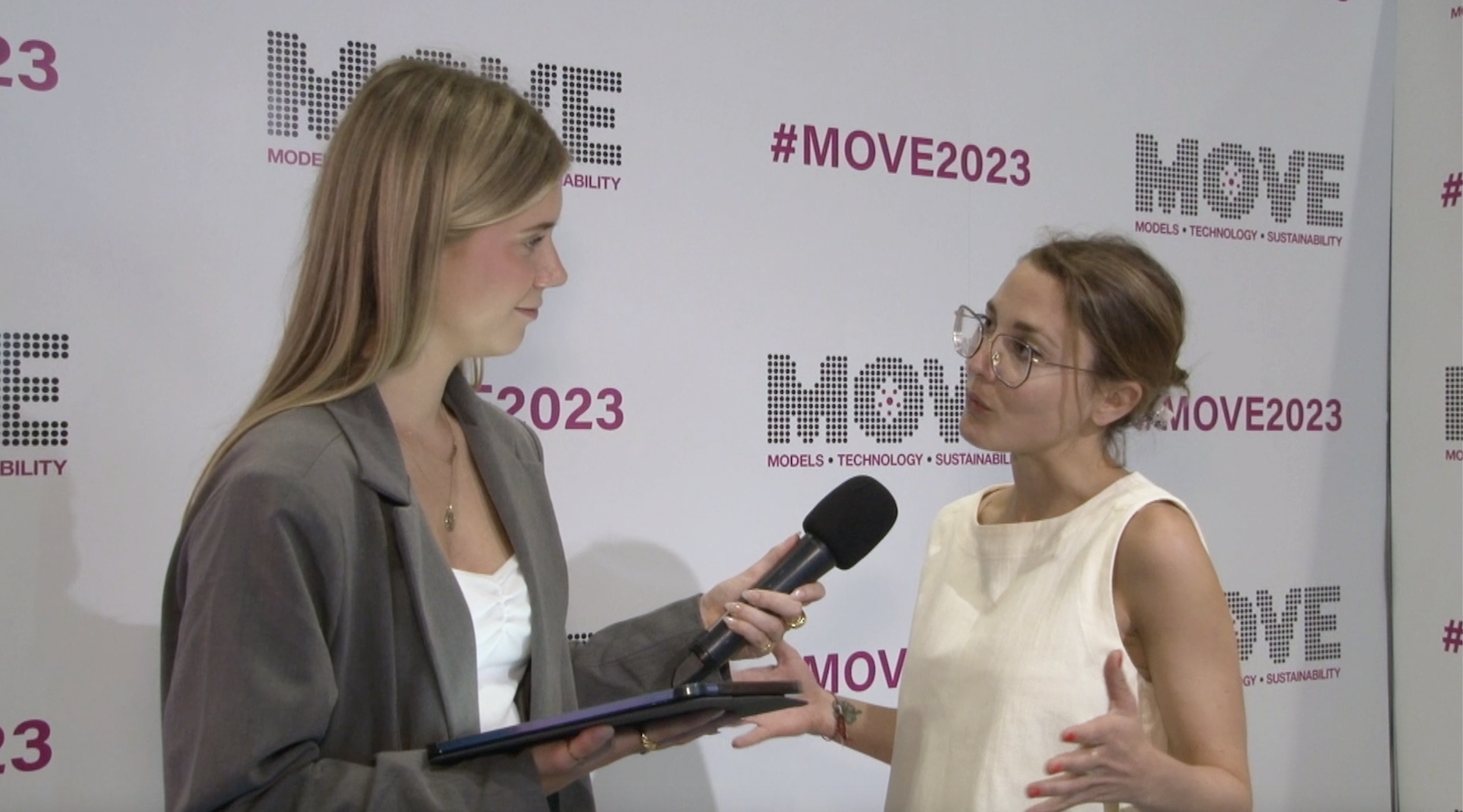
Fanny Touron reveals how ALD are making moves towards greener mobility at

Women in Mobility UK meet-up at MOVE 2023!
MOVE 2023 Testimonials

“Transportation is a very male sector”: Vulog discuss women in mobility at

MOVE 2023: Welcome back from Terrapinn on Day Two

Panel: 20’s plenty: maximising the potential of the spaces between buildings that
The global state of play in EV battery production

MOVE 2023: Evening Remarks on Day One
Reshuffling the cards: How rental companies are transitioning to EVs

The Drive Electric Campaign: How climate philanthropy is accelerating the EV transition

Panel: How can we make green subsidies operable and politically acceptable?

The software defined vehicle: what is the endgame?
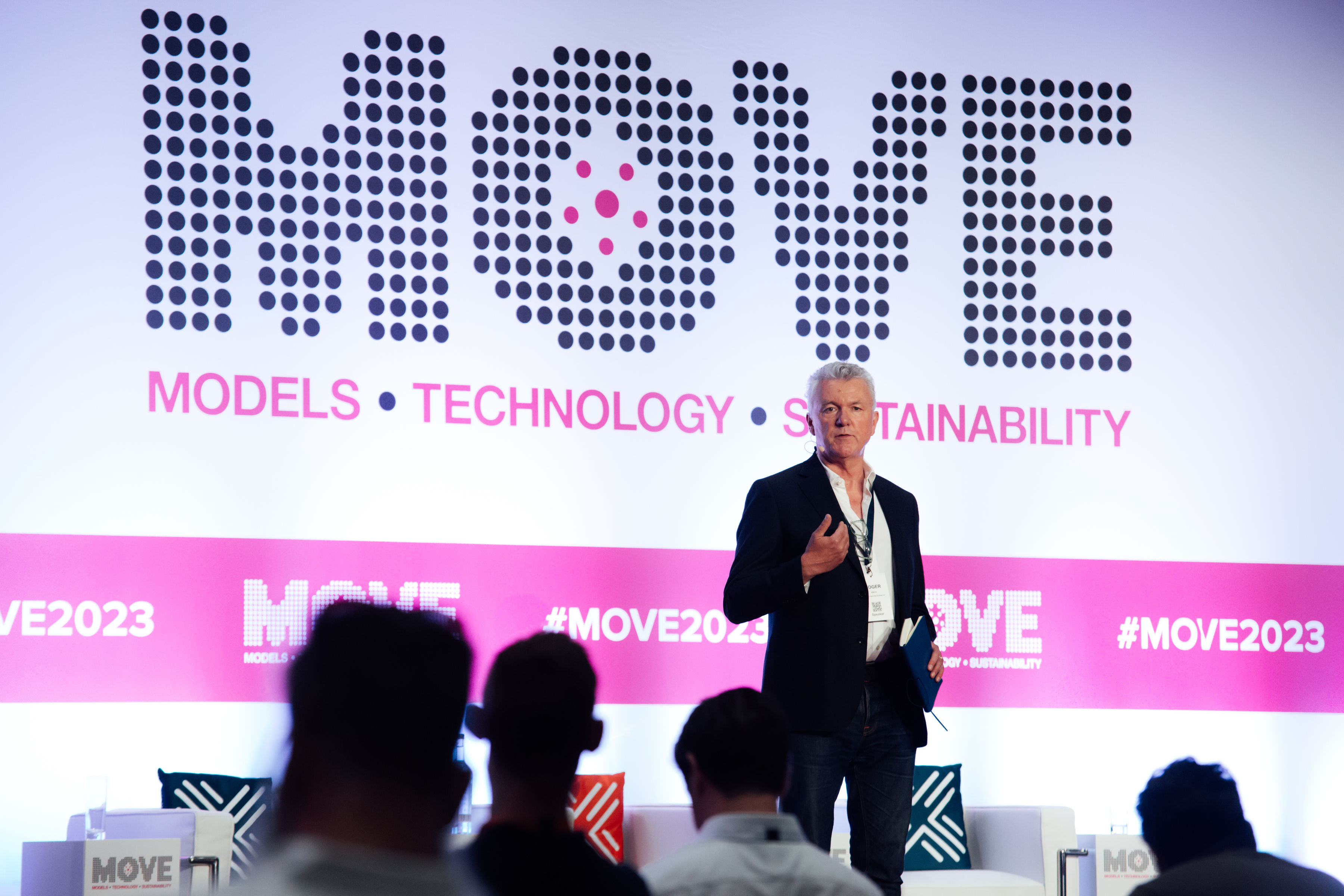
MOVE 2023: Opening Remarks by Roger Atkins

MOVE 2023: Welcome from Terrapinn on Day One
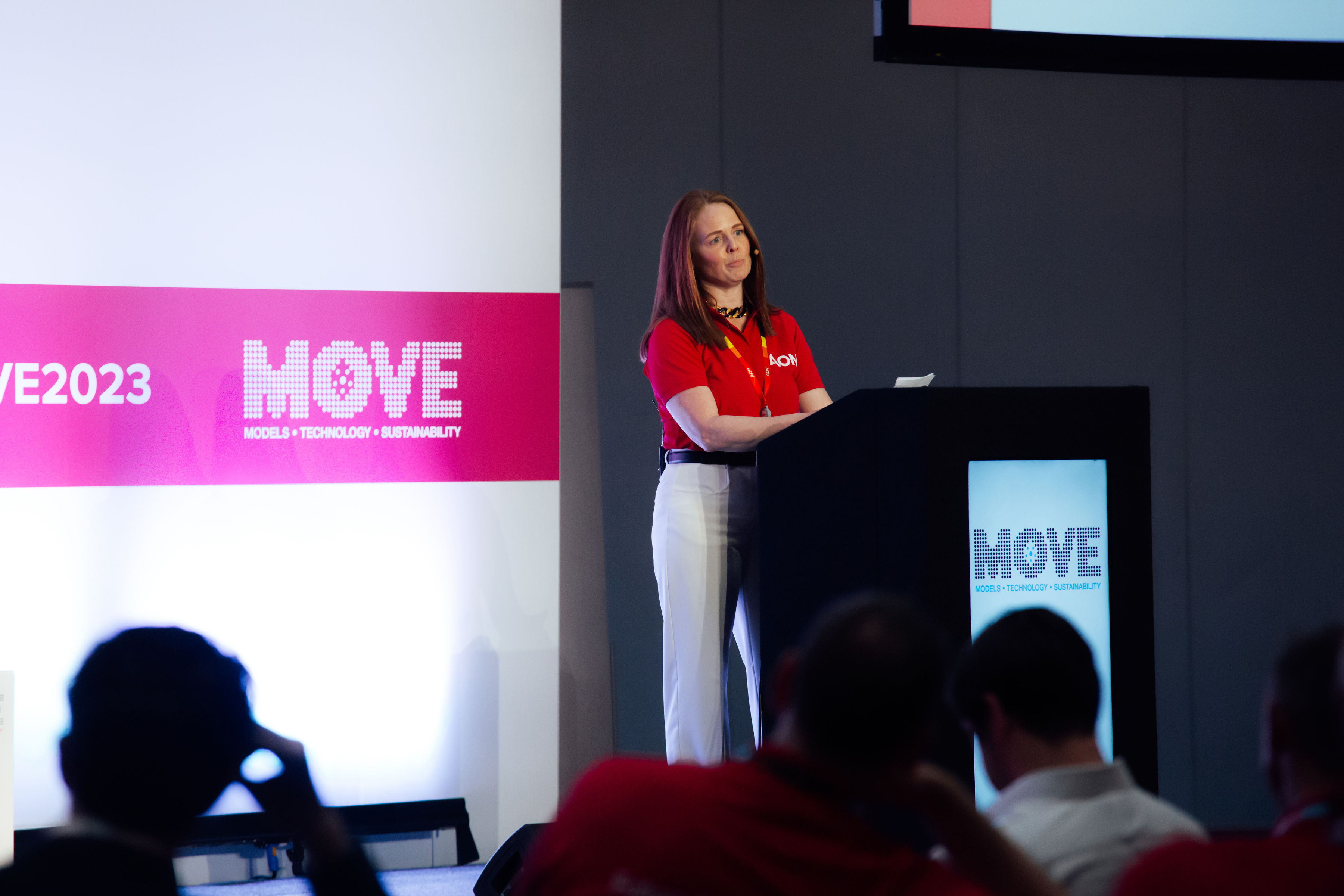
Insurance markets: unlock greater profitability by elevating your expectation

The time is now: creating the most efficient path to eVTOL commercialisation

MOVE 2023: Women in Mobility Award Winner Announcement

Fireside chat: The vision for micromobility in the fifteen-minute city

Start Me Up! The central role of incubators in driving mobility forward

Start Up winners pitch- Magway!

Micromobility providers combine to offer wider range of bike-sharing options in Ghent
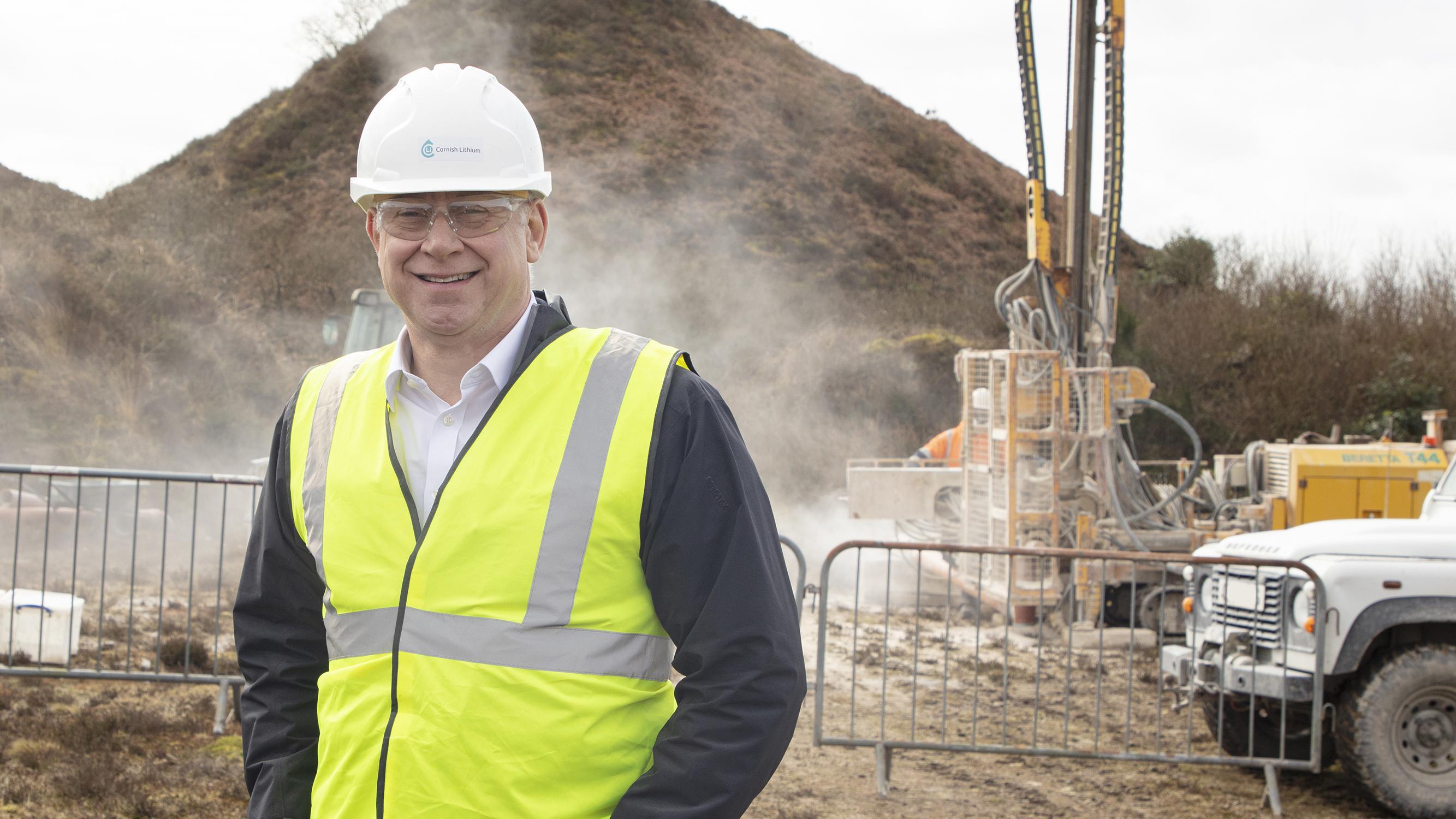
Cornish Lithium talks lithium extraction ahead of MOVE 2022

Quentin Wilson, motoring broadcaster and Ben Kilbey, CCO, BritishVolt

Chuck Price, Chief Product Officer, TuSimple

Michael Cervenka, President and Eduardo Dominguez Puerta, Chief Commercial Officer, Vertical Aerospace

David Bunch, Chair, Shell UK

Felix Petersen, Head of Europe, Spin

Andy Palmer, CEO, Switch Mobility

Thomas Ingenlath, CEO, Polestar

Tom Elvidge, SVP Vehicle Programmes, Arrival

Keynote: Bich Tran, CEO Europe, VinFast

Craig Knight, CEO, Hyzon Motors

Jim Adler, founding Managing Director, Toyota Ventures
No post found
Join the MOVEMNT
Subscribe to MOVEMNT for top news, trends, and exclusive discounts on our events
MOST POPULAR THIS MONTH

Will a dual-use defence strategy revive Europe’s struggling automotive industry?
As Europe’s car industry struggles in the face of intensifying Chinese competition and Trump’s imposed tariffs, some industry experts expect the historic symbiosis between the automotive and defence is set to deepen. This shift comes at a time when Europe is preparing to ramp up its military investment in the face of global conflict, an increasingly volatile relationship with the U.S., and the fracturing of the NATO alliance following Trump’s invasion of Greenland earlier this year. Last year, EU President Ursula von der Leyen described 2025 as an “era of rearmament”, a trend which has only escalated with recent disruption in the Middle East.
One such automaker considering this dual-use approach is German automotive brand Mercedes-Benz, which announced on Friday that it would be open to exploring military use cases.

Spain becomes key testbed for Stellantis and Leapmotor’s expanded alliance
Stellantis and Chinese electric vehicle brand Leapmotor are preparing to deepen their allegiance as both companies angle to expand their electric vehicle footprint across Europe.
The partnership began in 2023 when Stellantis purchased an approximately 21% stake in Leapmotor and launched a joint venture focused on selling and manufacturing Leapmotor vehicles outside of China. The companies now say they are exploring new ways to increase production efficiency while reducing manufacturing costs.

UK new car market grows by almost a quarter in best April since pre-pandemic levels
The UK’s new car market registered unprecedented growth last month, expanding by almost a quarter, up 24%.
According to new data from the SMMT (the Society of Motor Manufacturers and Traders), the UK recorded 149,247 vehicles in April, the strongest growth in the sector since before the pandemic.
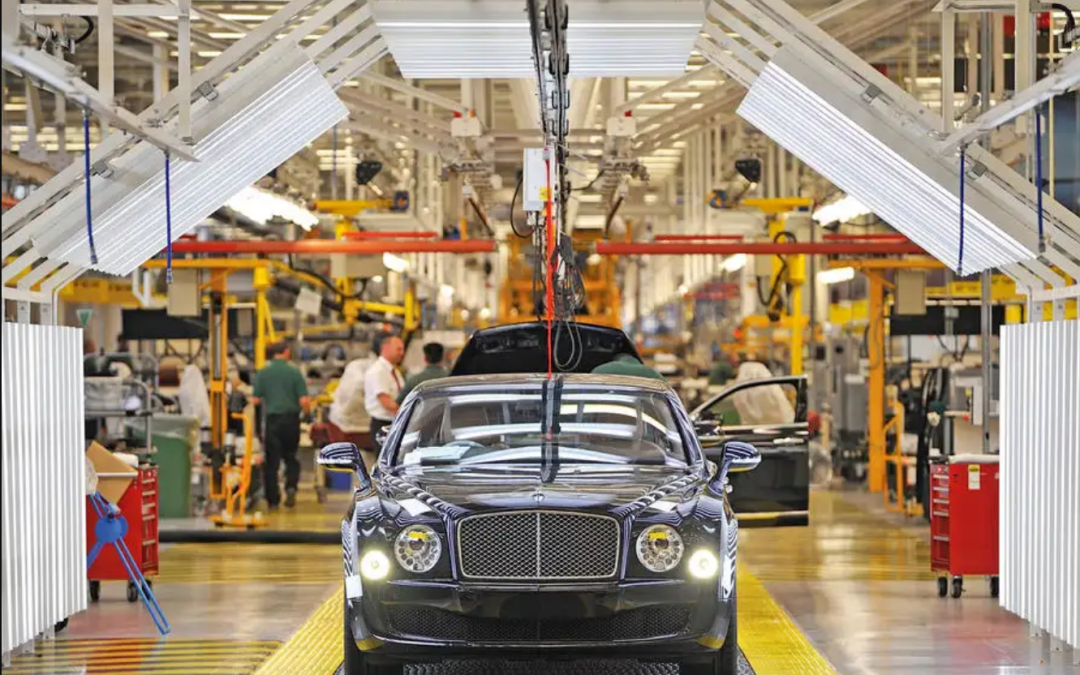
UK automotive industry expects £4.6 billion uplift by 2030, new predictions suggest
According to the latest report from the Society of Motor Manufacturers and Traders (SMMT), the UK automotive industry could deliver a £4.6 billion injection to the UK economy by 2030.
The uplift is driven by the UK’s commitment to ban the sale of all new petrol vehicles by 2035, a decision that is pushing automotive manufacturers towards electric vehicles with prescriptive rule of origin laws. Much like EU content laws, the UK government will offer preferential trade conditions for cars that exceed a threshold for UK or EU manufactured content.
The SMMT forecasts that this strategy will increase demand for UK-made parts by 80% by 2030, providing considerable opportunities for investment and a healthy boost to domestic supply chains.
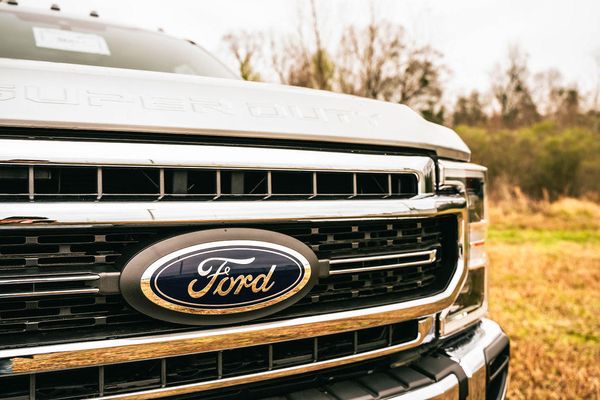
Trump administration denies Ford tariff relief despite aluminium supply disruption
It has been over a year since President Trump announced a sweeping suite of country-by-country tariffs on imported foreign goods. After many reversals, walk-backs, and changes of mind, some industries have emerged largely untouched by these unpredictable and, at times, erratic shifts in trade and foreign policy.
For industries that rely on steel, aluminium, or semiconductors—of which automotive is one—the story is different. Owing to Section 232, materials deemed critical to matters of national security are subject to Trump’s high and unwavering tariffs.
A year after “liberation day,” many OEMs are calling for a reappraisal of Trump’s stringent tariffs due to mounting pressure caused by aluminium supply disruptions. Among these is legacy automaker Ford, which, under the leadership of CEO Jim Farley, has been vocal in its opposition to import tariffs.

Will surging oil prices reignite EV demand amid the Iran conflict?
Since war broke out in Iran on 28 February, global oil prices have soared to unprecedented highs. The spike follows disruption in the Strait of Hormuz, the world’s busiest shipping channel for crude oil.
As the global conflict unravels and the oil crisis intensifies, analysts are recognising a renewed interest in electric vehicles (EVs) as consumers attempt to shield themselves from the impact of rising energy costs.

Jaguar Land Rover shuts UK plant due to fire at supplier site in Norway
Jaguar Land Rover is once again grappling with disruption, as production at one of its key UK facilities is set to pause following a fire at a supplier site in Norway. The interruption will affect output of its flagship Range Rover and Range Rover Sport vehicles at the Solihull plant, with operations halted until April 8. This latest grievance represents a significant setback for the automaker in a two year period punctuated by disruption.

Uber partners with Rivian in $1.25bn robotaxi deal, promising 50,000 vehicles by 2031
Uber is forging ahead with its vision for a driverless future through a new partnership with American EV maker Rivian Motors.
The agreement outlines plans for Uber to invest an initial $300mn, potentially rising to $1.25bn by 2031, contingent on Rivian hitting key autonomy milestones. Alongside the investment, Uber intends to purchase up to 50,000 autonomous vehicles, beginning with 10,000 robotaxi-ready versions of Rivian’s upcoming R2 SUV. The remaining 40,000 could follow from 2030.

Follow us!