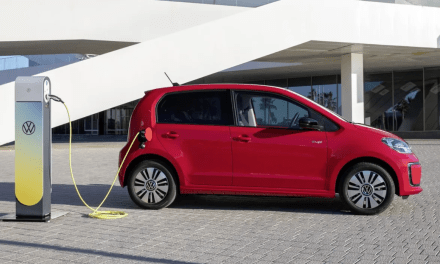
Battery Management System (BMS) is an electronic system that monitors, balances and protects the battery pack within an electric vehicle.   The BMS extends the life of the battery with intelligent charging and discharging algorithms that predict how much battery life is left and will maintain the battery in operational condition.  As the sophistication of lithium-ion batteries increases, they will also demand intricate electronic control systems and are a crucial part of any electric vehicle.     What are the main functions of the BMS for an EV battery?   
  1. Safety & health 
Not only does BMS monitor a vehicle’s battery, but it also becomes an imminent factor ensuring vehicle safety. Electric vehicles run on high voltage lithium-ion battery packs. Unlike most other battery chemistries, lithium-ion batteries have a higher energy density and therefore have a much higher risk of catching fire.   BMS is therefore responsible for thermal management of the battery and monitors its temperature continuously. The BMS has systems that can be passive or active, and the cooling medium can either be a non-corrosive liquid, air, or some form of phase change. Using air as a coolant is the simplest way to control battery temperatures.  Overcharging can also lead to thermal runway and potentially an explosion. BMS will continuously monitor the voltage of the park and will control the supply of the current to avoid overcharging.  Not only is BMS vital for safety, but it uses collected data to estimate the State of Charge and the State of Health of the battery back. It will also check for issues and will check the behaviour of the cells. It can then either take the necessary corrective actions or trigger failsafe mechanisms to protect the health of the pack.         2. Optimal performance management  Different monitoring techniques are often used to maintain the state of the battery, voltage, current, and ambient temperature. Whilst the EV is being charged, the BMS determines how much current can safely go in and communicate the same to the EVSE.   During the discharge of the battery, BMS will communicate with the motor controller to avoid the cell voltage becoming too low. The vehicles will then be able to send the user an alert to charge the battery. The BMS would also control the recharging of the battery through regenerative braking.   Individual cells within the battery pack can develop differences in capacity with time, which amplify with each charge/discharge cycle. This therefore limits the amount of energy that can be derived from the battery, and also how much the battery pack can be charged. BMS is able to perform cell balancing by draining excess energy from cells that are more charged than others, through active or balancing techniques.         3. Managing internal and external communications  BMS is able to communicate internally with hardware and at a cellular level and externally with connected devices through controllers. This can be done with several methods, the BMS is able to use different types of serial communications, it can use CAN bus communicators that are often used in vehicles, and various types of wireless communications.  It relays necessary data about the battery parameters to the motor controller to ensure the smooth running of the vehicle. The BMS communicates the required output voltage and current levels to the EVSE and sends instructions to stop and start the charging process.    As electric vehicles become a new foundation on the road to net-zero, the market for Battery Management Systems is expected to grow. The future of mobility is unpredictable; however, we can expect that electric vehicle batteries will be simplified making them easier to charge and use.   As the evolution of the battery continues, so will the adaptation of Battery Management Systems. They are incredibly important to safeguard the battery and the entire vehicle. It provides users with a huge number of convenient features and provides real-time information about the vehicle’s battery. While there are still some unresolved challenges in BMS, the advantages are endless and provide a safe and secure experience for EV users.    Sources: Texas InstrumentsTata ElxsiEV reporterCyient