Felix Wagner, CEO and Co-Founder of Circunomics, on what structured battery trading looks like, why BESS developers need a marketplace, and where the market is going.
Battery volumes are growing. So is the number of companies trying to buy, sell, and finance them, with no reliable way to assess what a battery is worth. Felix Wagner built Circunomics to solve that. Ahead of MOVE London 2026, he spoke with MOVEmnt about the state of battery trading, what it takes to make transactions work, and why batteries need to become a proper asset class.
Felix, what does Circunomics do?
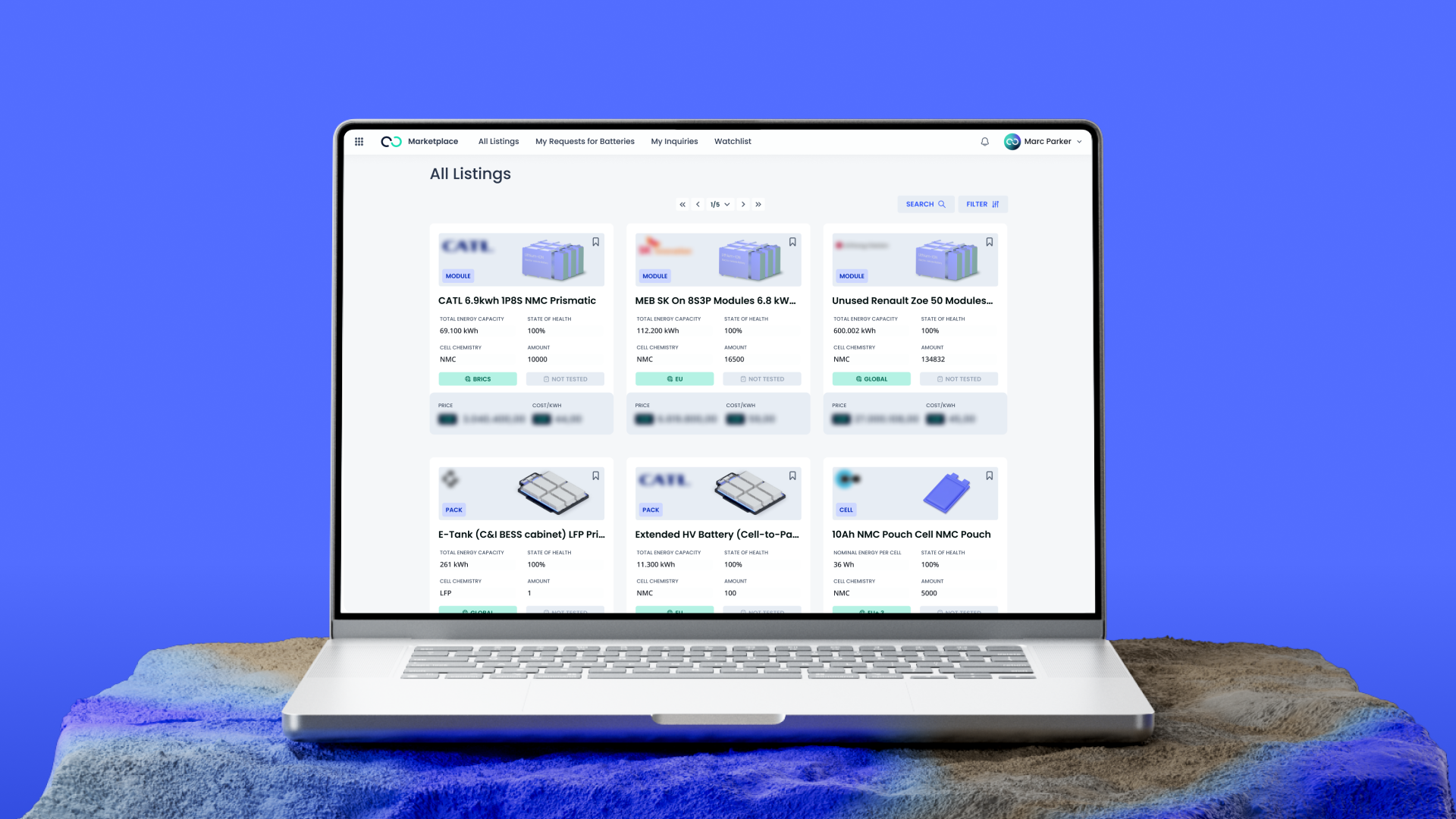
We run a battery lifecycle management solution including a B2B battery marketplace. We connect companies that have batteries to sell, whether new, surplus, or used, with companies that need them. OEMs, BESS developers, fleet operators, system integrators. All kinds of buyers and sellers.
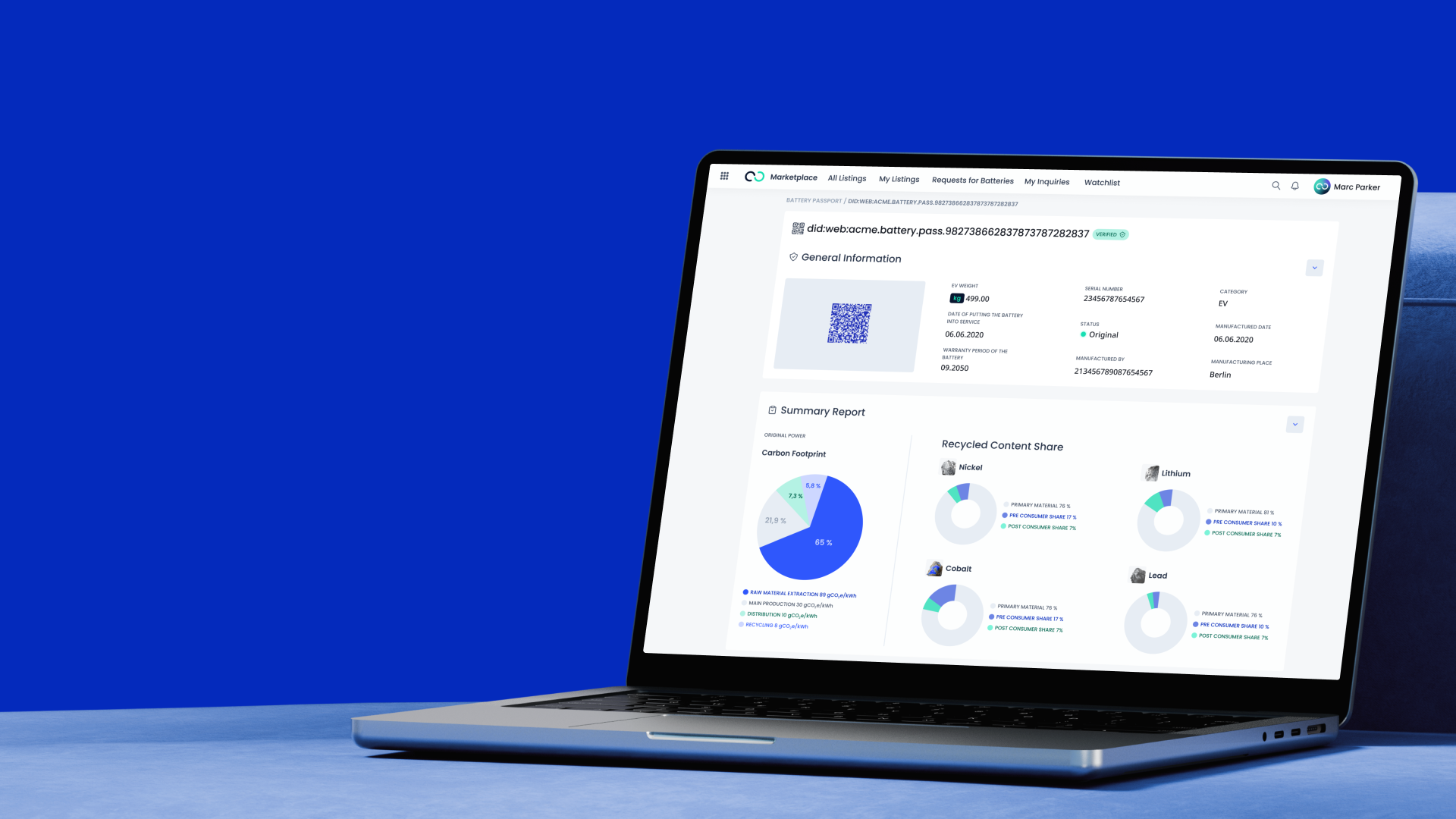
But trading alone does not get you very far in this market. For a transaction to work, both sides need to trust the data behind the battery. What condition is it in? What is it worth? What can it still do? That is the gap we fill. Our platform combines the marketplace with battery lifecycle analytics and compliance tools, so people can make decisions based on real information rather than gut feel.
Why can’t companies just buy and sell directly?
Some do. But batteries are not a straightforward commodity. Two batteries that look identical on paper can be in very different condition depending on how they were used, charged, and stored. Without reliable data and proper analytics, pricing becomes a guessing game.
That causes friction on both sides. Sellers struggle to prove what their batteries are worth. Buyers have no solid basis for what they are willing to pay. So, deals either fall apart or happen at a discount that does not reflect the real value.
We built the marketplace to close that gap. It is not just a place to trade. It is the infrastructure that makes battery transactions actually work.
What is driving demand from BESS developers right now?
Stationary storage is growing quickly, and it has become a significant source of demand for both new and used batteries. Developers and operators need reliable supply at competitive prices, and the economics of a BESS project depend a lot on what you pay for the batteries going in.
On the first life side, we connect BESS developers with manufacturers and suppliers for new cells, modules, and packs. On the second life side, batteries coming out of EVs or other applications can, if they still have enough capacity, go into stationary storage rather than straight to recycling. Our analytics tell you which batteries are suitable and for which applications.
We are also seeing more surplus batteries finding their way into BESS projects through alternative channels. That volume is growing on our platform.
How does pricing work?
Supply and demand, fundamentally. But what makes pricing meaningful here is the data underneath it.
When a seller lists a battery, they share technical data and usage history. We add state of health analysis, residual value models, and in some cases digital twin simulations that show how the battery would perform in a second life application. Buyers can then bid based on actual condition and expected lifetime rather than just age or origin.
That shift toward data-backed pricing is what we are really enabling. And it matters beyond individual deals. It is part of making batteries a proper, financeable asset class.
What does “financeable” mean here?
For a battery to be financed, in a BESS project or a second life deployment, lenders need to be confident in its residual value. Right now, that is difficult because there is no standardized way to assess battery condition across different manufacturers, chemistries, and use histories.
We are building the data layer that makes that assessment possible. Consistent, auditable analytics behind a battery’s condition and value make it a lot easier to structure financing around it. That is one of the things we are working toward. Batteries treated as a real, investable asset, not just a component you swap out.
The EU Battery Regulation and Battery Passport are coming. Does that change things?
It speeds things up. The requirements around traceability, documentation, and sustainability reporting are pushing companies to treat battery data more seriously. That is broadly good for the market.
For us, compliance has always been part of the platform. The data we collect for analytics, condition, history, chemistry, chain of custody, is the same data that goes into Battery Passport requirements. So, companies using Circunomics are not just trading more efficiently. They are also building the documentation they will need as regulation tightens.
What does the next year look like for Circunomics?
Our marketplace is growing. We now work with more than 200 customers across Europe, and we are seeing increasing demand for practical solutions to manage batteries across their lifecycle.
The priority is deepening the European market, where regulation and growing battery volumes are creating good conditions for what we do. A big part of that is the EU Battery Regulation, which is pushing companies to document and track batteries across their full lifecycle. Our Battery Passport capabilities are part of the Circunomics ecosystem and will be progressively integrated directly into marketplace transactions, so that compliance infrastructure and trading become a single, seamless workflow. This is central to our vision of Circunomics as a fully integrated battery lifecycle platform.
MOVE London is a good opportunity to connect with the BESS and mobility ecosystem here. The US market has its own dynamics, but the core problem, a lack of transparency in battery trading, is the same everywhere.
Circunomics is participating at MOVE London 2026. Find out more about us at circunomics.com.
About Felix Wagner
Felix Wagner is the CEO and Co-Founder of Circunomics, the B2B battery marketplace for first life and second life battery trading. He founded Circunomics in 2019 with a focus on bringing structure, data, and transparency to the battery market. Circunomics is backed by Schaeffler Invest, GET Fund, Orlen VC, and GG Rise.