News
Baidu has announced it will be teaming up with both Uber and Lyft to deliver autonomous robotaxis in London, consolidating the UK as the next hotbed for autonomous innovation.
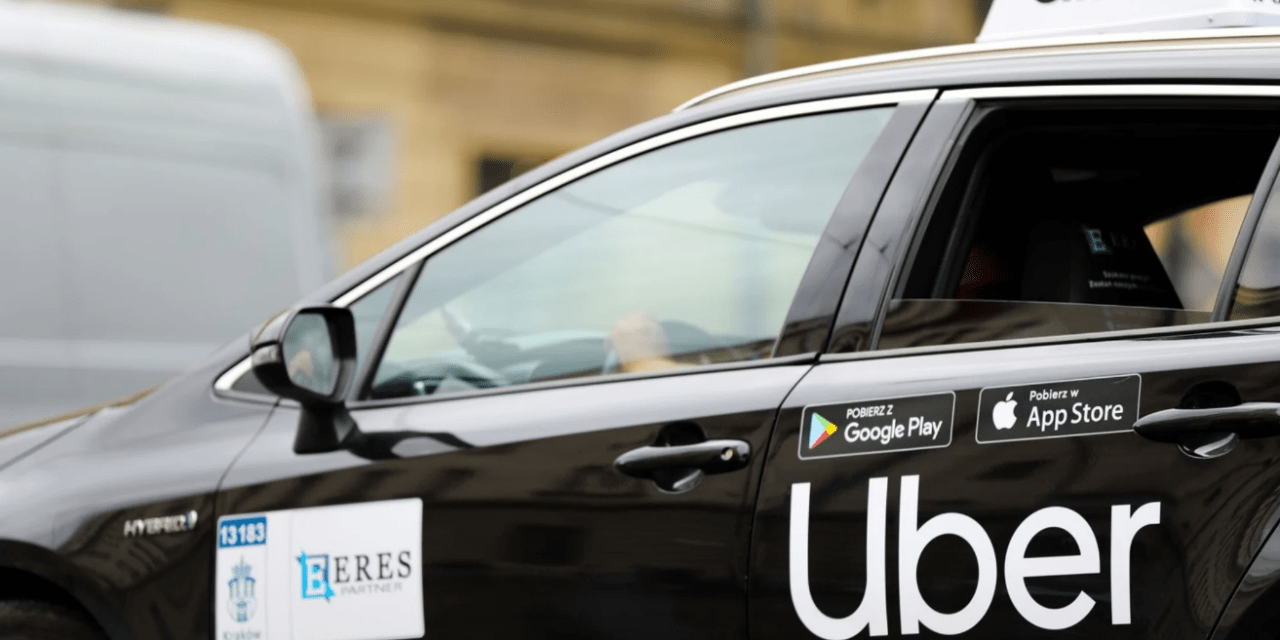
On Monday, Uber announced it would begin pilot programmes in the UK capital following the unveiling of a strategic partnership with Baidu’s robotaxi unit, Apollo Go, back in July. Pilots are set to begin in early 2026.
In a post on X, Baidu said the partnership:
“marks Apollo Go’s foray into another major right-hand-drive market, building on the validated experience gained from expanding testing in Hong Kong since receiving the city’s first permit in late 2024.”
In a separate partnership, announced earlier this year, Uber is joining forces with American ride-hailing company Lyft, which will begin its own trials on dozens of Apollo Go RT6 vehicles in the early stages of 2026.
Lyft Chief Executive David Risher described the vehicles as “purpose-built for ride-share.”
Apollo Go represents a global leader in ride-share services, having completed more than 17 million rides across 22 cities as of November.
Yet they are not the only company competing for autonomous dominance in the UK; in October, Alphabet-owned company Waymo announced it would begin autonomous robotaxi trials in London. Initial pilots are officially underway as of this month.
Globally, autonomous robotaxi technology is expanding at breakneck speed, with many companies rolling out commercial operations in previously untapped markets such as Southeast Asia and Europe.
Chinese autonomous driving technology company Momenta has announced it will begin autonomous robotaxi trials in Europe in 2026, setting its sights on Munich as its initial pilot city.
As 2025 draws to a close, one thing is clear for the year ahead: in Europe, the race for autonomous deployment is very much on.
Keep up-to-date with the latest mobility news by subscribing to MOVEMNT’s free newsletter