News
Europe’s race to secure its electric vehicle future is increasingly centred on one question: how much of an EV should be made at home?
As Brussels prepares proposals to raise local content requirements for products such as cars and solar panels, senior figures from Europe’s emerging battery industry are voicing strong support, arguing that tighter rules are essential to counter China’s dominance in EV production and adjacent key technologies.
The debate has caused rifts in the automotive sector; some carmakers warn that “Made in Europe” requirements could drive up costs and slow the transition to electric vehicles. But many battery manufacturers say local sourcing is critical if the continent is to remain competitive in the long term.
That argument was underscored by two high-profile factory openings in recent weeks. Firstly, in Spain, Seat-Cupra inaugurated a new battery assembly plant in Barcelona, representing a key part of Volkswagen Group’s strategy to establish more independent EV supply chains in Europe.
Markus Haupt, Chief Executive of Seat-Cupra, said requiring a minimum share of European-made parts and materials was a “natural answer” to the competitive challenge posed by Asian manufacturers.
At full capacity, the Barcelona facility will assemble up to 300,000 battery systems a year, with around half of its battery cells sourced from Volkswagen’s own battery division. The batteries will power upcoming affordable electric models such as the Cupra Raval and the Volkswagen ID. Polo, both due to launch next year at prices starting around €25,000. Volkswagen hopes this move will help it take on lower-cost Chinese rivals from the likes of BYD and Geely.
France is taking a similarly assertive stance; battery start-up Verkor has opened its first gigafactory in Dunkirk, backed by significant state support. Its founder and chief executive, Benoit Lemaignan, argues that strict local content rules are vital to protect Europe’s battery sector and reduce dependence on Chinese imports, particularly for battery cells and critical raw materials.
French policymakers have gone further, calling for as much as 75 per cent local content in vehicles sold in Europe, aligning the EU more closely with the industrial strategies already adopted by the US and China. Verkor’s Dunkirk plant will initially focus on supplying batteries for just one model, the Alpine A390 SUV, mirroring the early-stage strategies used by Asian battery leaders.
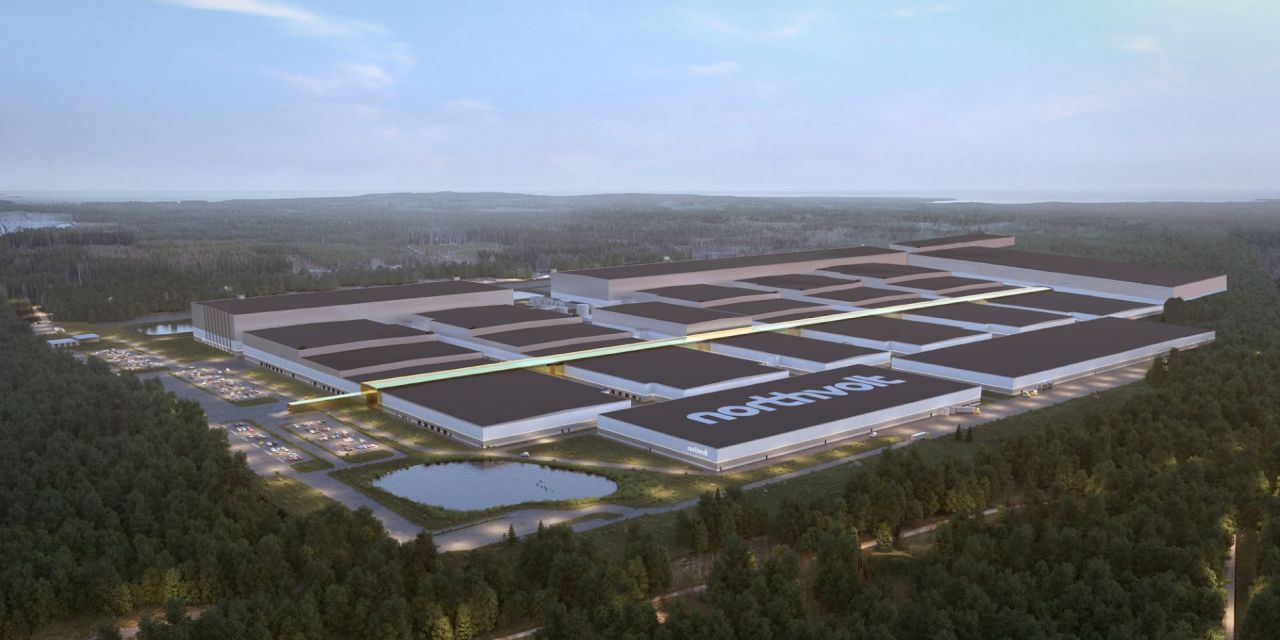
Despite recent setbacks such as the collapse of Sweden’s Northvolt, supporters of the EU’s proposal argue that without firm policy backing, Europe risks falling permanently behind in one of the most strategic industries of the electric age.