Category: Autonomous Vehicles

Einride paves the way for autonomous “smart corridors” in Texas

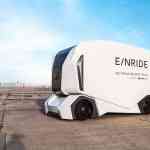
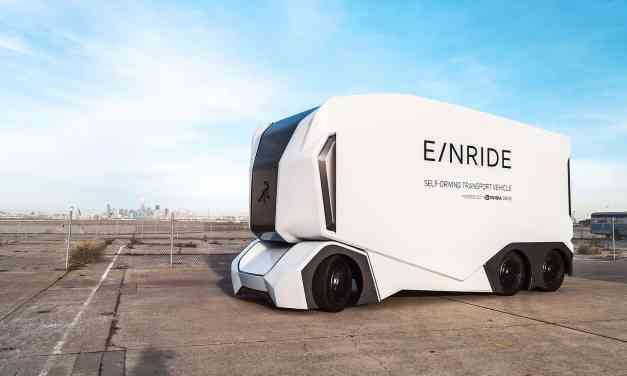
Founded in 2016, autonomous trucking company Einride is forging ahead with a partnership with the State Highway 130 corridor, a major toll road in Texas. This strategic collaboration aims to build out a smart freight corridor between Austin and San Antonio, operating as a testbed for Einride’s cab-less autonomous freight vehicles.

The project will represent the first time an autonomous truck company has partnered with a toll road operator to deliver this kind of service. Einride’s vision includes plans to build out Texas’ EV infrastructure through the co-development of next-generation rest stops with electric charging facilities and autonomous truck docking infrastructure.

Read More
Hyundai and Kia deepen strategic partnership with leading chipmaker NVIDIA

On Tuesday, Hyundai Motor Group announced it is accelerating its advancements in the autonomous mobility space by deepening its collaboration with world-leading chipmaker NVIDIA. This partnership represents a wider shift in the industry, as automakers are increasingly turning to the tech world to accelerate the development of autonomous and software-defined vehicles through partnerships with chipmakers, AI firms, and software companies.

Hyundai Motor Group, made up of Hyundai Motor and Kia, has positioned this strengthened partnership as a means to drive forward progress on its Level 4 all-electric robotaxis through its joint self-driving venture, Motional.

Read More

Industry experts herald 2026 as “pivotal year” for UK autonomy at CAM Innovators’ Day

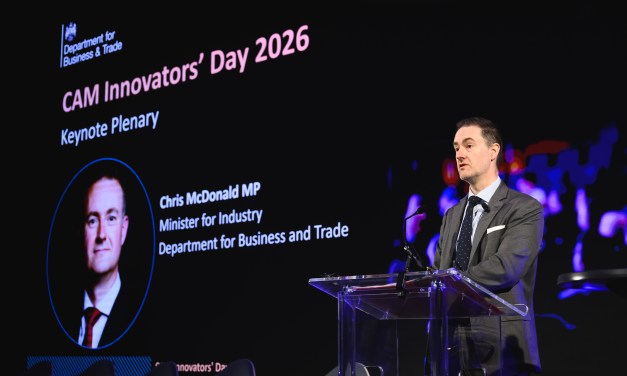
Industry experts gathered at the IET in London yesterday to discuss the key obstacles and scalable, practical use cases of autonomy within the UK.

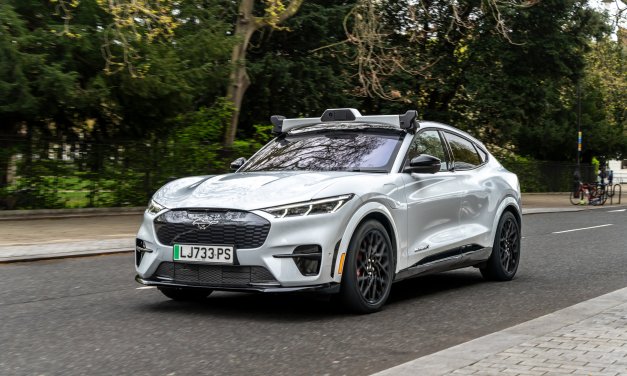
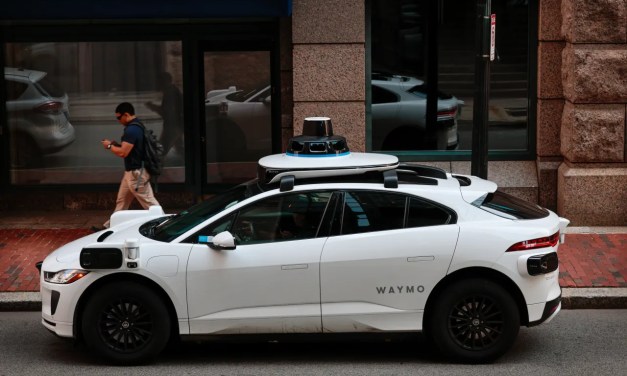
The annual CAM Innovators’ Day, hosted by Zenzic, brought together some of the industry experts driving innovation in autonomy and connected mobility. Among those attending were representatives from government, industry leaders, scale-ups and key stakeholder groups, with speakers from Google, Waymo and several autonomous startups, including Oxford-based group Oxa.

Read More

Wayve secures $1.2 billion in investment to scale “generalisable” self-driving tech

Autonomous driving company Wayve, founded in 2017, has officially raised $1.2 billion in funding following a successful Series D investment round. This new development accelerates Wayve’s post-money valuation to $8.6 billion, making it one of the UK’s most valuable AI startups.

The investment round was backed by investors including Microsoft, world-leading chipmaker Nvidia, ride-hail provider Uber, and automakers including Nissan, Mercedes-Benz, and Stellantis.

Read More

Hyundai joins the physical AI race, promising humanoid robots and autonomous mobility

A year ago, Hyundai Motor Company appeared to be trailing behind its rivals in the race to fuse artificial intelligence with the automobile. While competitors such as Tesla and BYD showcased advances in humanoid robotics and autonomous driving, Hyundai’s leadership openly acknowledged it had been slow off the starting line.

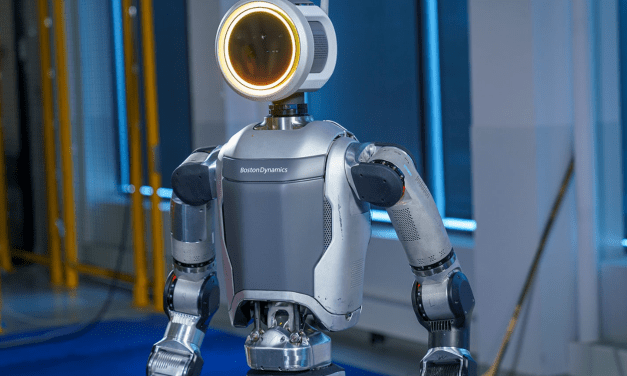
At the Consumer Electronics Show, earlier this year, Hyundai demonstrated that the tides were beginning to turn, exhibiting an ambitious physical AI project, Atlas—a humanoid robot developed by its US subsidiary Boston Dynamics.

Read More

Tesla forced to drop “Autopilot” branding in California after “misleading” marketing ruling

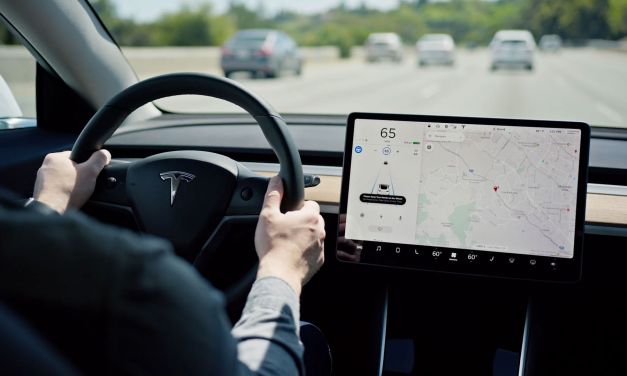
Tesla has removed the term “Autopilot” from its marketing campaign in order to comply with Californian regulators. The electric vehicle and robotics group found itself in hot water last December after the California Department of Motor Vehicles deemed its Autopilot feature misleading to potential consumers.

Tesla’s Autopilot platform includes features such as Traffic-Aware Cruise Control and Autosteer, systems designed to assist drivers with tasks like braking, steering, and accelerating, but they do not equip the car with fully autonomous capabilities, as the name may suggest.

Read More

UN draft agenda on autonomy promises a unified approach to global self-driving regulation

As autonomous innovation accelerates towards widespread deployment and robotaxis roll out in record numbers, global regulation has historically lacked a clear or decisive approach. Instead, countries have determined their own legislation, resulting in a patchwork of fragmented regulation across geographies.

By 2030, Boston Consulting Group predicts there will be over 2.5 million robotaxis in commercial operation. If the world is to respond to this increasing demand, many sceptics have called for a more unified global strategy.

Read More
Loading