News
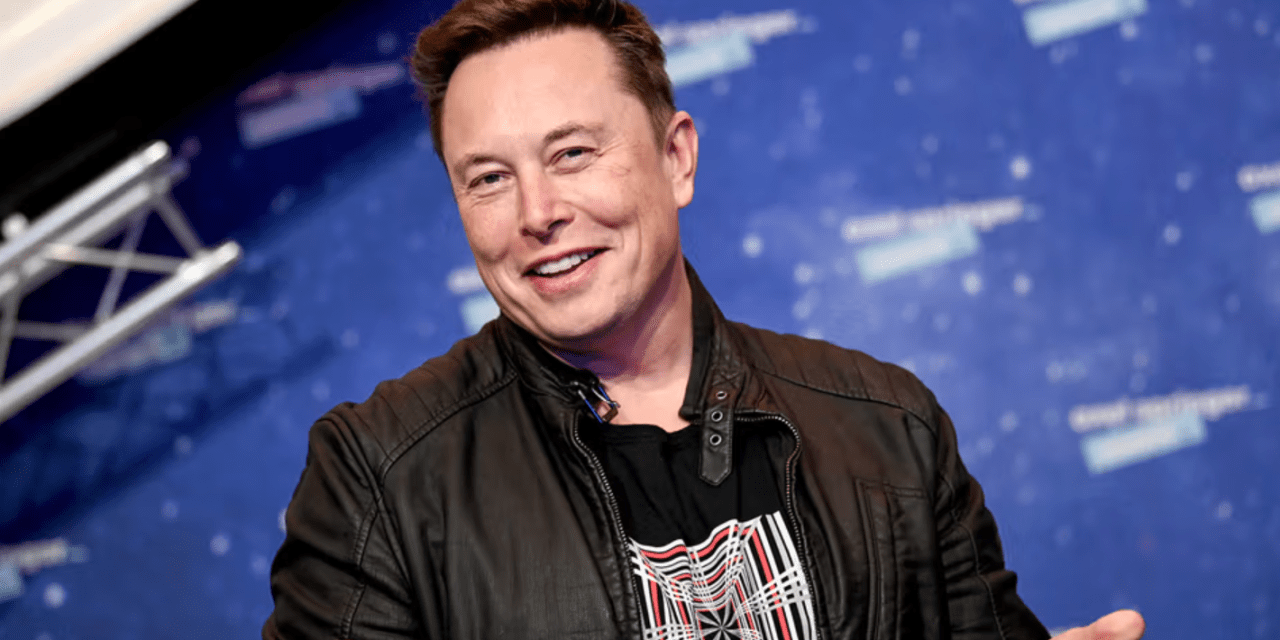
The world’s richest man, Elon Musk, could soon have sway over the UK’s private energy sector after its subsidiary, Tesla Energy Ventures, received approval to operate as an electricity supplier in the United Kingdom. The licence, granted by the UK energy regulator, clears the path for the company to enter a market that has faced turbulence in recent years and rising concern among households over an ongoing cost-of-living crisis.
Tesla’s inclusion in the British market represents a double-edged sword for the UK energy sector; on one hand, the entrance of a new competitor could help intensify market competition and lead to lower tariffs for customers. On the other, many analysts warn that Musk’s divisive politics present him as a threat to national security and an unwelcome presence in a critical British industry.
Ed Davey, the Liberal Democrat leader, is a strong adversary of Musk’s involvement. He said in a statement:
“Elon Musk is a threat to our national security and clearly not a fit person to operate in our energy industry,” he said. “We can’t have the lights go out because he’s having a strop on X.”
Best for Britain chief executive Naomi Smith said Musk was a “dangerous and malign influence who belongs nowhere near our critical infrastructure”.
Despite backlash from senior politicians and industry experts, regulators concluded that the company met all the requirements to operate in the market. According to Ofgem, the regulator responsible for Britain’s energy sector, Tesla Energy Ventures passed a thorough assessment process that began in July last year.
Ofgem defended the decision: “Protecting consumers and maintaining a secure, fair energy market underpins every licensing decision we make.” They added that Tesla Energy Ventures would face “the same binding obligations, monitoring and enforcement as all other suppliers from day one.”
The regulator also emphasised that consumers remain free to choose their energy provider and can switch suppliers whenever they wish. “Consumers remain firmly in control,” the spokesperson said, noting that competition and innovation are key to improving the energy system for households.
Tesla is expected to use its expertise in solar technology and battery storage to differentiate itself from traditional providers. By combining home energy generation, storage and supply, the company could offer a more integrated approach to electricity usage.
The development comes as energy costs remain a major concern for British households. Global tensions have pushed oil prices higher, raising fears that domestic energy bills could rise again later this year. While Tesla’s entrance into the British energy sector could provide some welcome relief for consumers amid a cost-of-living crisis, the question remains — at what cost?