Exeter’s solar farm and battery storage facility has gone live and is now powering the city’s electric fleet of vehicles, recycling centre and offices with green energy.
The project is the first of its kind in the region and will be a greater step towards the City Council’s ambition of becoming Net Zero Carbon by 2030.
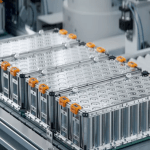
The £3.5m Water Lane Solar Park at Marsh Barton features 3,700 solar panels which creates 1.2MW of clean, renewable energy. The substantial battery facility is capable of storing 2MW and provides flexibility between peak generation and peak usage.
The project will be part funded by the European Regional Development Fund and will be built on an inactive landfill site and is now feeding power directly to the Council’s nearby Materials Reclamation Facility.
The facility will have 28 chargers from 40kW to 11kW in capacity are located at the Exton Road depot which will charge the Council’s fleet of electric vehicles, including three electric refuse vehicles.
Then cost savings over all sites included in the project are estimated to be £256,000 per annum. The carbon saving is estimated to be 580 tonnes per annum, overall, a 72% reduction.
The project will also increase energy security and provide protection against price increases with savings helping to support Council Services.
Cllr Duncan Wood, Lead Councillor for Climate Change, said “It’s fantastic that we are now generating green energy and using new storage technology to power our fleet as well as the recycling processes at the Material Reclamation Facility and our nearby offices.“Having our own supply means we can now guarantee that our electric vehicles going around Exeter are running on green electricity. We have also got a lot of electric vans and cars that the Council runs, and we want to ensure that they are charged on green energy.”
He added: “Switching to an electric fleet of vehicles and generating the electricity to power them, is a big step towards the Council being Net Carbon Zero by 2030. This project is leading to a significant reduction in our carbon emissions.”
The City Council aims to replace all of the City Council’s diesel waste and recycling fleet with electric powered vehicles within the next six years and provide carbon neutral operation.
Picture and source: Exeter Council