News
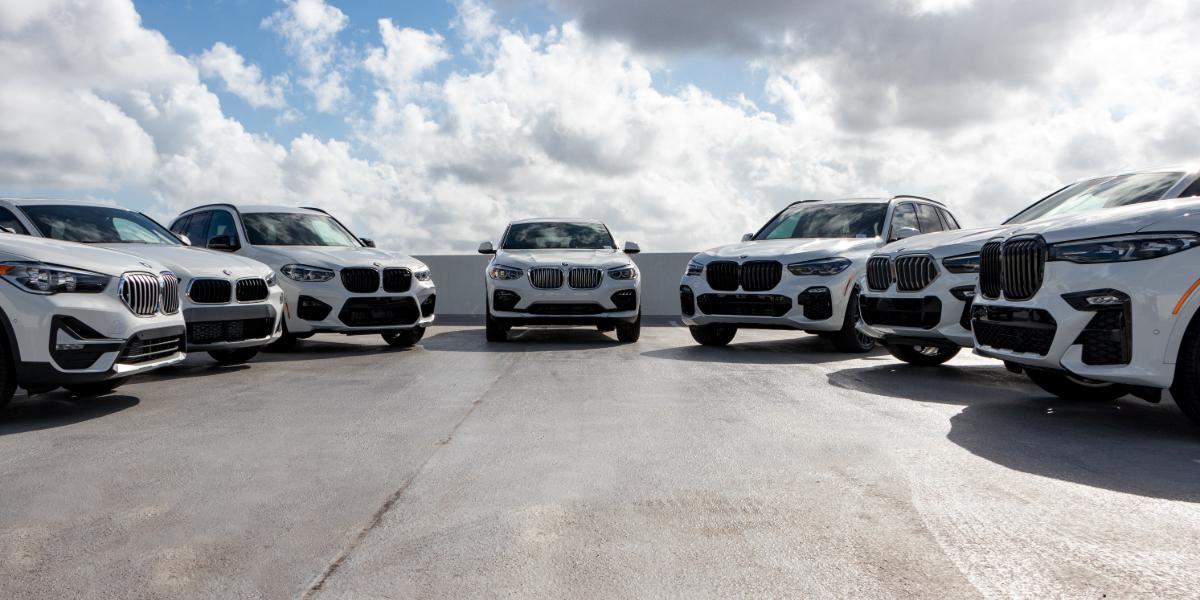
Subscription services are, for many of us, an accepted part of modern life; from streaming platforms such as Netflix or Spotify to meal subscriptions, gym memberships, and pay-as-you-go dating apps, the paid subscription model has transformed the way we consume, replacing traditional ownership with a flexible, ongoing service relationship. Now the world of automotive is catching up, with more and more OEMs now offering subscription services and over-the-air updates at an extra monthly cost. As cars become increasingly software-defined, the shift from hardware-centric manufacturing to software-driven mobility is gathering pace. While digital services still account for only a modest portion of global automotive revenue, carmakers emphasize that in many cases, software carries far higher margins than metal. Cars now communicate continuously with their surroundings, collect real-time data, and transmit it to the cloud, fuelling a constant cycle of updates. Over-the-air (OTA) upgrades allow automakers to add features, refine performance, and patch vulnerabilities without the car ever seeing the inside of a garage. This new architecture transforms the automobile from a static product into an upgradeable device, more akin to a smartphone or tablet. Rather than relying solely on upfront sales, automakers can now sell features long after the car leaves the showroom, creating a business model that allows OEMs to generate revenue beyond the initial purchase. Heated seats, parking assistants, advanced driver aids, navigation enhancements, and even entertainment become additional services. This new model is not without controversy. BMW made headlines earlier this year following its early subscription experiment, where customers in South Korea were charged extra for heated seats. Opponents criticized the scheme for gatekeeping features already built into the car’s hardware. In the wake of this outrage, BMW has doubled-down on some of its early experiments, offering today a broader range of ConnectedDrive subscriptions, many tied to systems that require frequent data updates, such as parking assistance or traffic-camera alerts. BMW head of product communications Alexandra Landers argues that there is logic behind pay-as-you-go digital features:“For the additional ADAS systems, we also have costs for running. We have load usage, and that’s a cost. So, if you use it, you have to pay for it.”BMW insists it will not charge for horsepower at this stage. Landers said:
“We are not a tuner… that didn’t make sense for us. We discussed that very intensively, but so far for base cars… you buy a car with maximum power.”Beyond subscriptions, the move toward more connected vehicles has unlocked further revenue streams for automakers, most notably, data. Software-defined vehicles generate enormous volumes of information that can support usage-based insurance, traffic optimization, or hyper-local advertising once anonymized. This asset is a goldmine for manufacturers seeking to capitalize on today’s data-driven, hyper-connected reality. For better or worse, the automotive industry’s road ahead is unmistakably digital. And while hyperconnectivity opens lucrative opportunities for automakers, they must not lose sight of the consumer in the labyrinth of hyper-connected services. Keep up-to-date with the latest mobility news by subscribing to MOVEMNT’s free newsletter