As the world anticipates the upcoming UN climate summit – COP28 – in Dubai, Nigeria has been making significant strides towards embracing electric mobility with a keen interest in commitment to a more sustainable and cleaner transport system.
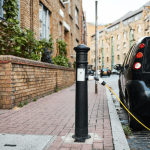
Vice President of Nigeria Kashim Shettima emphasised this commitment as he inspected the solar-powered charging stations for e-mobility domiciled in the State House. He also highlighted Nigeria’s plans for an e-Mobility Strategy, designed to position the country as a front-runner in sustainable transportation on the African continent.
He said:
“e-Mobility deployment aligns with the Nigeria Energy Transition Plan (ETP), addressing emissions, air pollution, and energy security concerns while ensuring a greener future for Nigerians.”
https://youtu.be/lWtR63Btq20?si=EUhWLZwg2DKa6hbF
Nigeria’s Energy Transition Plan (ETP) has reported that the transport sector is contributing 28.4% of emissions; with the ETP advocating for transitioning to low-emission transport technologies.
Nigeria’s federal government has actively announced support for this transition, which includes boosting local assembly capacity for electric vehicles, establishing charging infrastructure, and enabling private sector participation.