Photo: Arnulf Hettrich/Shutterstock
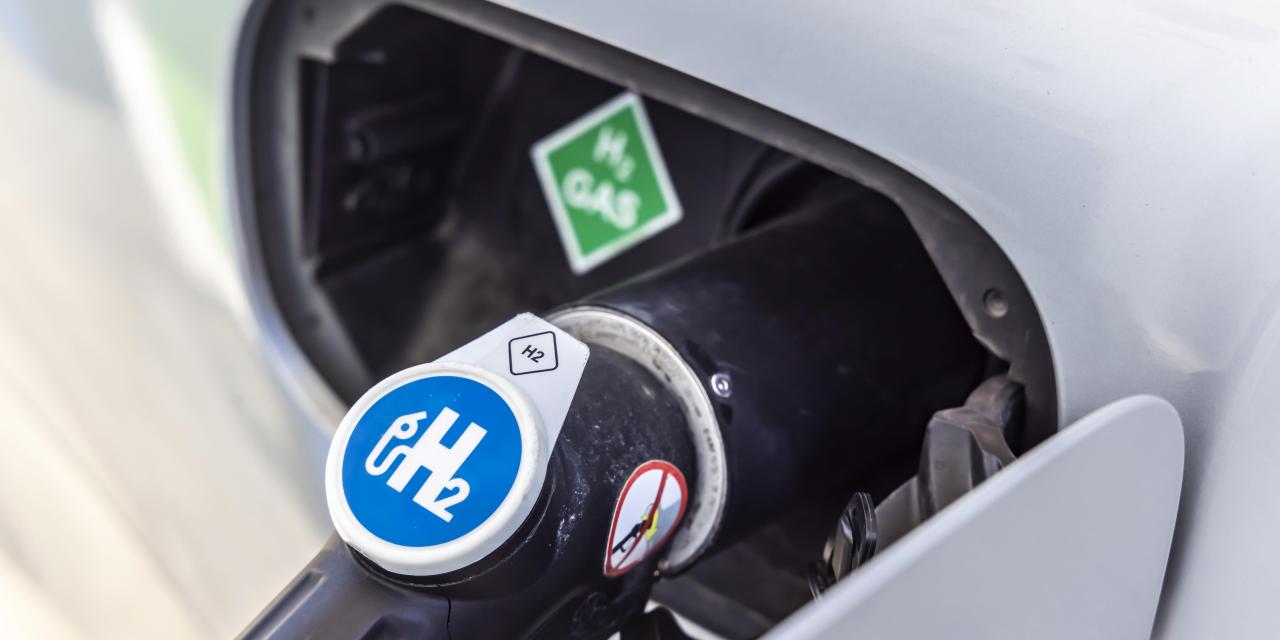
North America has emerged as the largest region in the hydrogen fuel cell vehicle market in 2022, as reported by The Business Research Company’s Hydrogen Fuel Cell Vehicle Global Market Report 2023.
The global hydrogen fuel cell vehicle market has been reported to be on an inclined growth trajectory. The market, valued at $6.64 billion in 2022, is projected to reach $8.13 billion in 2023, with a robust compound annual growth rate (CAGR) of 22.30%.
The market size is expected to reach $17.05 billion in 2027 at a CAGR of 20.3%. This hydrogen fuel cell vehicle market growth is attributed to the increasing adoption of electric vehicles (EVs) and the demand for cleaner, sustainable energy sources.
The United States, in particular, has played a significant role in driving this market’s growth. Continuous research and development efforts, substantial investments in electric vehicle development, and a reduction in fossil fuel reserves have created a growing need for cleaner energy in the country’s transportation sector.
With electric vehicles relying on electric motors instead of internal combustion engines, the market has witnessed significant demand due to rising fuel prices and environmental concerns. The use of hydrogen fuel cells in EVs facilitates the conversion of chemical energy into mechanical energy for propulsion, contributing to reduced greenhouse gas emissions.
The Global EV Outlook 2021 reported that consumers spent a remarkable USD 120 billion on electric vehicle purchases in 2020, marking a 50% increase compared to 2019. This substantial growth underscores the potential for the hydrogen fuel cell vehicle market, driven by the increasing demand for electric vehicles.
High investments in hydrogen infrastructure in the USA, including an expanding network of hydrogen refuelling stations, have reportedly made hydrogen fuel cell vehicles a more attractive option for consumers.
Advancements in fuel cell technology have helped to improve efficiency and reduced production costs, making hydrogen fuel cell vehicles as more notable competitor in the automotive industry.
Collaborations between automakers, energy companies, and government agencies are expected to help further accelerate the development and deployment of hydrogen fuel cell vehicles in the USA.