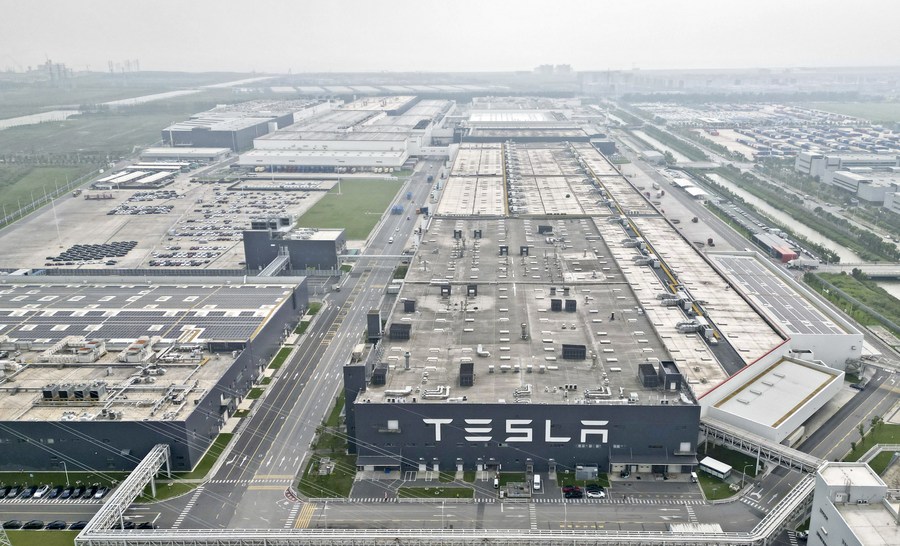
Tesla’s Fully Self-Driving (Supervised) technology gains regulatory approval in China
After years of regulatory discussion, Tesla has officially introduced its Full Self-Driving (FSD) technology in China, marking a significant step in the company’s long-running effort to gain a foothold in one of the largest autonomous markets.
The announcement arrives shortly after Elon Musk’s visit to...

The MOVEmnt Podcast Episode 3: Jeremy Bird
In Episode 3 of The MOVEmnt Podcast, we sit down with Lyft’s EVP of Global Growth, Jeremy Bird, to explore his vision for a hybrid autonomous network. As autonomy ramps up in the UK and Europe welcomes its first commercial robotaxi deployment in Croatia, our...

The MOVEmnt Podcast Episode 2: Nancy Skinner
In Episode 2, MOVEmnt’s Eve Stevens sits down with a legend in the world of legislature and public service, Commissioner Nancy Skinner of the California Energy Commission.
With a career spanning several decades and a portfolio of landmark legislation, Skinner reflects on her long and influential...

The MOVEmnt Podcast Episode 1: RJ Scaringe
What better way to kick off our 2026 interview series than with the CEO and Founder of Rivian Motors, RJ Scaringe?
Ahead of the launch of Rivian’s first mass-market vehicle, the R2, RJ sat down with MOVEmnt Editor and podcast host Eve Stevens to discuss Rivian’s...

Introducing The MOVEmnt Podcast, MOVEmnt’s definitive auto tech podcast
We are launching The MOVEmnt Podcast, the definitive auto tech podcast from the brains behind our digital publication.
The MOVEmnt Podcast gives voice to the brilliant minds leading conversations around electric, autonomous and software-defined mobility, platforming the stories behind the industry's top movers and shakers...

Stellantis banks on “small, stylish” E-Cars to boost sales in European EV market
Fiat and Jeep owner Stellantis is making a bet on smaller, more compact electric vehicles in a bid to boost sales in Europe’s car market.
The venture, known as E-Car, will begin production in 2028 at the Pomigliano d’Arco plant in Naples, Italy...
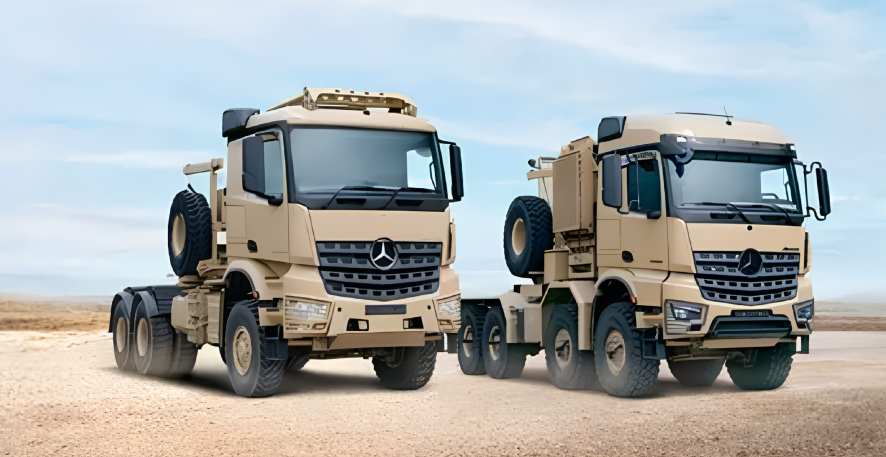
Will a dual-use defence strategy revive Europe’s struggling automotive industry?
As Europe’s car industry struggles in the face of intensifying Chinese competition and Trump’s imposed tariffs, some industry experts expect the historic symbiosis between the automotive and defence is set to deepen. This shift comes at a time when Europe is preparing to ramp up...

MOVE 2026 WIM Awards: Meet the women forging the future of automotive and tech
After a record number of nominees, voting is now open to crown the winner of MOVE 2026's WIM Awards. The winner of this year's award will be announced at MOVE 2026, June 17 at London's ExCeL.
We are shouting out a handful of the inspiring female...
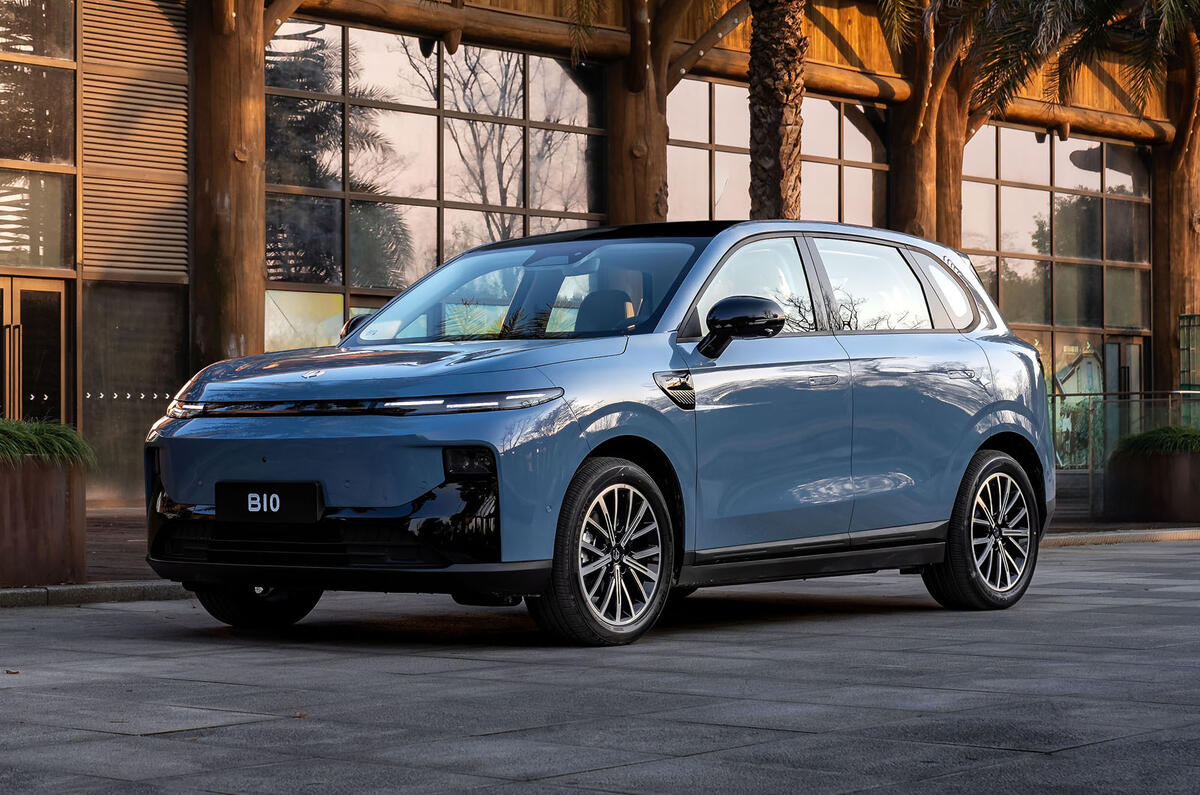
Spain becomes key testbed for Stellantis and Leapmotor’s expanded alliance
Stellantis and Chinese electric vehicle brand Leapmotor are preparing to deepen their allegiance as both companies angle to expand their electric vehicle footprint across Europe.
The partnership began in 2023 when Stellantis purchased an approximately 21% stake in Leapmotor and launched a joint venture focused on selling and manufacturing Leapmotor vehicles outside...

Speakers in the news: Meet the companies making headlines ahead of MOVE 2026
The world’s #1 auto tech event is returning to London, June 17–18. MOVE focuses on the technology that sits behind the automotive sector, specialising in autonomous, electric and software-defined mobility. MOVE is all about showcasing the leading agents of innovation and progress, from automotive OEMs...