News
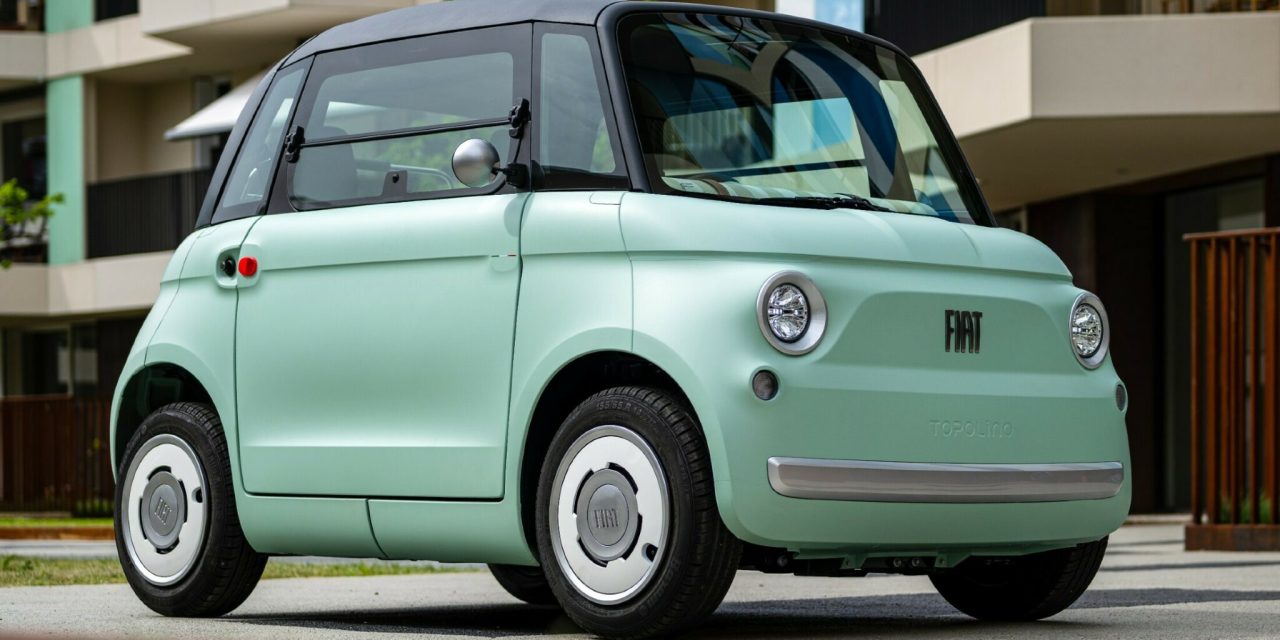
The venture, known as E-Car, will begin production in 2028 at the Pomigliano d’Arco plant in Naples, Italy.
The European EV market has struggled in the face of stiff competition from Chinese automakers and Trump’s patchwork of import tariffs. Global multinational Stellantis, whose portfolio includes Alfa Romeo, Chrysler and Peugeot, is hoping that focusing on smaller electric offerings could help turn the tide in the beleaguered European market.
While Chinese automakers typically excel in the mid-range EV market, European manufacturers maintain something of a niche in smaller vehicles, owing to regulations that favour more efficient and affordable models, as well as the concentration of dense urban centres with narrower roads and less uniform driving conditions.
Stellantis is hoping to capitalise on this point of difference. Chief Executive Antonio Filosa described the E-Car project as a response to the demands of the European market, saying:
“Our customers are calling for a revival of small, stylish vehicles, proudly produced in Europe, which are also affordable and environmentally friendly.”
Stellantis will offer its E-Cars across several of the brands it oversees, prioritising low costs and efficiency wherever possible in the production process.
The project aligns with Europe’s wider vehicle strategy, which has pivoted towards the smaller cars the continent was once famous for — think Fiat’s classic 500 model or the ubiquitous Renault Clio. In her 2025 State of the Union Address, Ursula von der Leyen urged European manufacturers to pursue the production of compact electric vehicles as part of the “Small Affordable Cars Initiative”.
Speaking during the address, she said:
“I believe Europe should have its own E-car. E for environmental — clean, efficient and lightweight. E for economical — affordable for people. E for European — built here in Europe, with European supply chains.”
The pivot comes as Europe attempts to shore up its supply chains in the face of mounting Chinese competition and Trump’s tariffs. Stellantis’ E-Car venture will also have to comply with Europe’s “Made in Europe” content laws, established in 2025, which offer preferential trade treatment to vehicles meeting a 70 per cent Europe-made component threshold.
Keep up-to-date with the latest mobility news by subscribing to MOVEMNT’s free newsletter
Share this:
Related posts:
- Stellantis explores Leapmotor’s EV technology to cut costs and boost European sales
- EU’s Industrial Accelerator Act could bring UK and Japan into ‘Made in Europe’ scheme
- Will surging oil prices reignite EV demand amid the Iran conflict?
- Spain becomes key testbed for Stellantis and Leapmotor’s expanded alliance