News
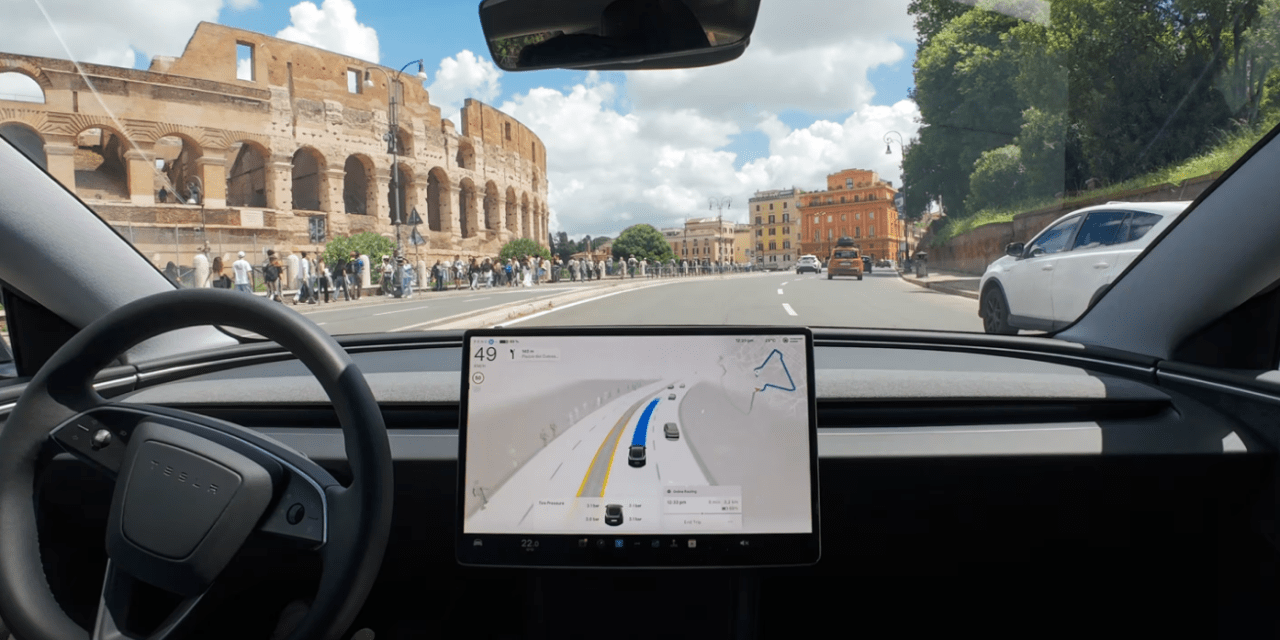
Tesla has found itself in hot water again as it recalibrates its long-promised path to full autonomy. The electric vehicle giant recently acknowledged that millions of its older cars, equipped with what it calls Hardware 3, won’t be able to achieve fully self-driving capability, despite earlier assurances.
Speaking to investors, Elon Musk admitted the limitation candidly: “Unfortunately, Hardware 3 simply does not have the capability to achieve unsupervised FSD. We did think at one point it would have that.”
The statement marks a notable shift for Tesla, which had long maintained that its earlier vehicles already contained the necessary cameras and computing power pending the inevitable software advancements.
For owners, many of whom paid thousands upfront for lifetime access to Full Self-Driving, the update has sparked frustration. The expectation was clear: eventual delivery of a truly autonomous car through software updates.
Now, Tesla is exploring remedies to appease a disgruntled customer base of disappointed early adopters. Musk outlined plans for “micro factories” in major cities to retrofit older vehicles with upgraded hardware, noting that relying solely on service centres would be “extremely slow… and inefficient.” In parallel, the company is considering “discounted trade-in” offers, though it remains unclear whether existing FSD entitlements will transfer to newer models.
The announcement comes during a pivotal moment for the company, which is betting on physical AI and humanoid robots to accelerate its expansion. Rather than focusing purely on vehicle sales, the company is increasingly positioning AI and autonomy as its core product.
As CFO Vaibhav Taneja explained, the strategy now “emphasize[s] FSD as the product, and the vehicle as only the delivery mechanism.”
Despite bold claims from Musk, the transition has yielded mixed signals. Revenue rose 16% year-over-year in the first quarter, while vehicle sales climbed 6.3%, despite marking one of Tesla’s weaker quarters since 2022. Meanwhile, FSD subscriptions hit 1.28 million, up 51% from a year earlier, helped by a $99 monthly pricing model.
A software update expected later this year will bring some advanced features to older vehicles, but full autonomy remains contingent on newer hardware. Even so, Musk continues to project confidence, suggesting that widespread access to unsupervised driving and integration into Tesla’s robotaxi network could arrive before year’s end.
The latest development represents the most recent controversy in a year already marked with regulatory challenges, lawsuits and a radical strategy pivot.
Keep up-to-date with the latest mobility news by subscribing to MOVEMNT’s free newsletter