News
As automakers seek to maximise the sleek, futuristic look of new models, the market has seen a sharp increase in the number of vehicles minimising bulky handles and buttons in favour of digital screens and concealed, automated handles.
Whilst these design features may offer the forward-looking glamour that elevates the in-car experience, concerns over safety have seen automakers retreating back to intuitive design features, including tactile buttons and manual handles.
In February of this year, China became the first country to ban the concealed handles popularised by EV makers like Tesla, following a number of fatal accidents whereby passengers were trapped inside vehicles due to faulty door releases. In one incident occurring in October 2025, the flush handles of a Xiaomi SU7 were prevented from opening after the vehicle caught fire following a crash.
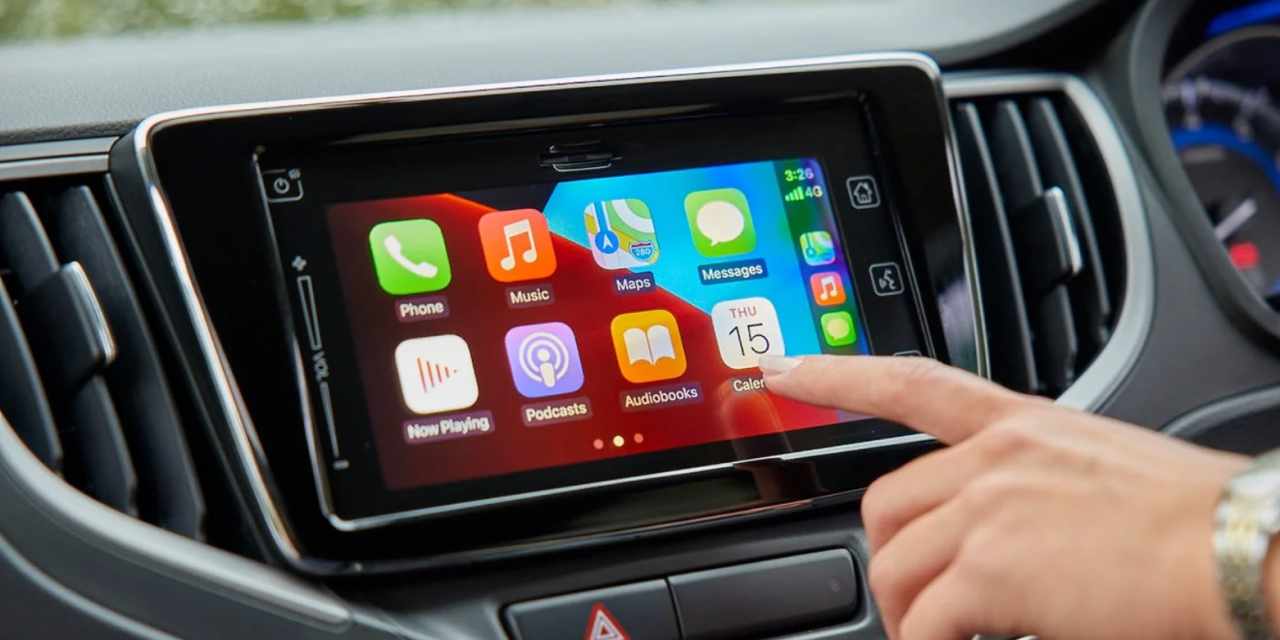
Similar safety concerns have been raised around the industry shift towards digital screens over tactile buttons and knobs. Some people have criticised this increasingly tech-forward approach, condemning the “over-engineering” of simple tasks like changing volume or climate controls.
This digital pivot was kick-started back in 2018 when the United States made back-up cameras and in-cabin screens mandatory for all new cars and light trucks. Now, in 2026, touch screens, passenger-side displays, and advanced in-car media systems are as ubiquitous as heated seats and sunroofs. This catch-all approach, despite offering a high-tech in-car feel, also allows automakers to create generalisable central control systems that can be used across entire line-ups, cutting down on manufacturing costs.
Increasingly, however, consumers and safety boards have criticised displays for being confusing or “over-engineered”. In particular, digital touch screens hinder drivers from making quick commands purely based on touch or from building up the muscle memory afforded by simplistic, tangible controls.
The European New Car Assessment Programme, or Euro NCAP, concluded that touch screens were more distracting and therefore less safe than buttons following a 2025 report that assessed in-vehicle user behaviour.
Director of Strategic Development Matthew Avery offered a clear conclusion, saying in a public statement: “They’ve got to bring back buttons.”
As a result, many automakers are rejecting the high-tech, digital approach. Hyundai has shifted back to physical controls in the new 2026 Palisade and the Santa Cruz pickup. Volkswagen and Porsche have opted for a hybrid approach, maintaining the space-age digital screen for infotainment and advanced settings, while embracing physical controls for core features such as audio systems and temperature controls.
Whilst the digitalisation of in-car features may have allowed automakers to optimise aesthetics and efficiency, the driver experience and safety must remain at the forefront of design. Automakers must decide which features benefit from digital integration and which are better served by simple, tactile controls.