News
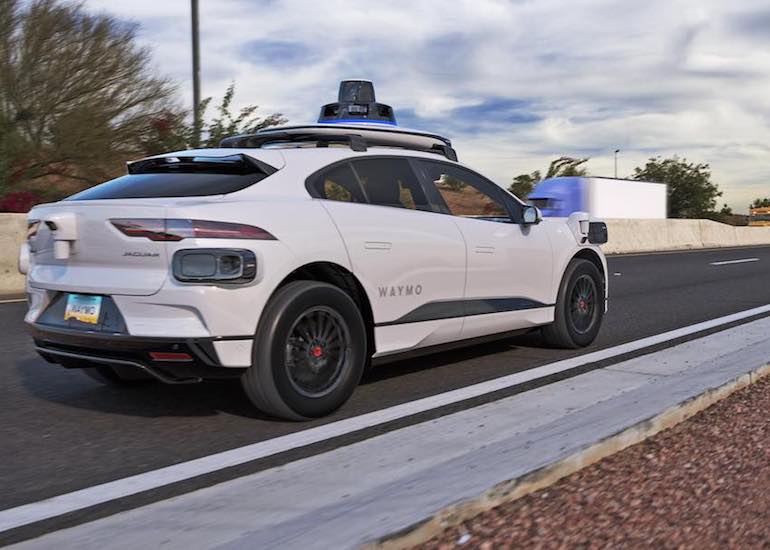
The autonomous ride-hailing service Waymo is set to expand its operations onto U.S. highways in the coming days, offering the world’s first paid, driverless highway service.
Waymo has selected three U.S cities to roll out its driverless robotaxi service- San Francisco, Phoenix and Los Angeles. High-speed free-way routes will initially be available to a small pool of riders in each city before being expanded to the wider public.
Waymo Co-CEO Dmitri Dolgov commented on the new development, saying:
“Freeway driving is one of those things that’s very easy to learn but very hard to master when we’re talking about full autonomy without a human driver as a backup and at scale.”
Highway driving presents a host of new challenges for Waymo, including heightened concerns about safety surrounding high-speed travel. Under these new parameters, Waymo’s robotaxis will be able to travel at speeds of up to 65 mph, increasing the potential severity of accidents.
When asked about customer safety at TechCrunch’s Disrupt Summit last month, Co-CEO, Tekedra Mawakana acknowledged the inevitability of challenging safety scenarios following widespread deployment. When pressed to comment on whether the public would accept fatalities involving autonomous vehicles, she said:
“I think society will”, adding, it’s not a question of “how many [incidents] are allowable,” but rather what the ramifications are for safety overall.
Waymo Group Manager Jacopo Sannazzaro pointed to the tangible safety benefits of autonomous highway transportation, saying:
“We have been building a strong body of evidence that the Waymo Driver is making the road safer.”
According to Sannazzaro, the company’s robotaxis are immune to human risk factors such as fatigue or emotional decision-making- issues that often lead to accidents on highways. He continued:
“The Waymo Driver leads to 91 percent fewer crashes with serious injuries compared with human drivers.”
The company has announced that they are working closely with highway patrol services to work through every eventuality on the roads, ensuring that cars can safely pull over in the event of a malfunction or accident.
Waymo plans to expand its portfolio of freeway services in other cities in the coming years, should the project prove successful.
Competitors like Tesla, Amazon’s Zoox, and American startup Nuro may be in the initial stages of their pilots; however, Waymo is leading the charge in autonomous highway transportation.
Keep up-to-date with the latest mobility news by subscribing to MOVEMNT’s free newsletter