News
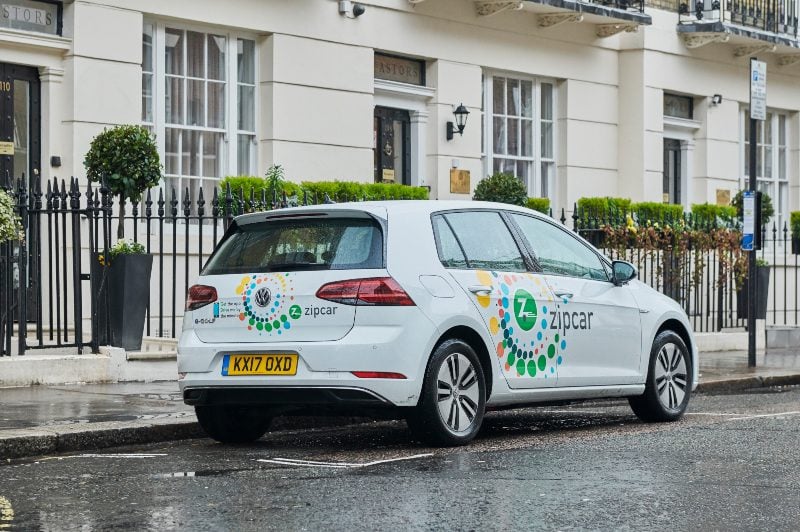
If you live in London, the sight of a Zipcar is, to some, almost as familiar as a red post box or an overcast afternoon. All this is set to change come 2026, following last week’s announcement that the American-owned car-sharing company will be shutting down its London operations by the end of the year.
The app, which allowed users to rent a car for as little as £5 for periods ranging from one hour to seven days, has suspended all new bookings beyond December 31.
The group is owned by the US rental company Avis Budget and operates in multiple locations around the world. The club boasts more than 650,000 members and has a London fleet of 3,000 vehicles.
Many Londoners rely on Zipcar instead of owning a private vehicle, using the service to move goods and equipment around in the face of the city’s high congestion charges and expensive parking. Car-sharing services such as Zipcar have been praised for reducing private car ownership and easing congestion in the capital.
Now, as the company plans to wind down their UK operations, users will be faced with the difficult decision: either make the swap to a smaller and more expensive competitor or be strong-armed into car ownership.Richard Dilks, Chief Executive of Collaborative Mobility UK (CoMoUK), a mobility charity, spoke out on the matter, saying:
“It [Zipcar’s announcement] has quite profound implications because there are hundreds of thousands of users, and there for sure will be a percentage of those who will be tipped into car ownership now.”
Many have criticised Rachel Reeves’ introduction of a pay-by-mile EV tax and the lifting of exemptions for electric vehicles under the London congestion charge, calling the measures a death knell for an already struggling company.
Under the new budget, electric vehicles will face much higher fees than before, creating further challenges for the US company, in which a third of its fleet are made up of electric models.
Zipcar’s business model, in which the company is liable for the maintenance of its own fleet and the cost of petrol is included in the rental, has struggled to weather fluctuations in the UK market.
Whilst Zipcar has assured customers that services outside the UK will remain unaffected, questions linger over what ultimately pushed the company out of London.
In the end, it’s hard to say whether government levies or an untenable business model drove Zipcar out. But its departure raises a bigger question: in a city trying to reduce private car use, who will step in to fill the space Zipcar leaves behind?
Keep up-to-date with the latest mobility news by subscribing to MOVEMNT’s free newsletter