News
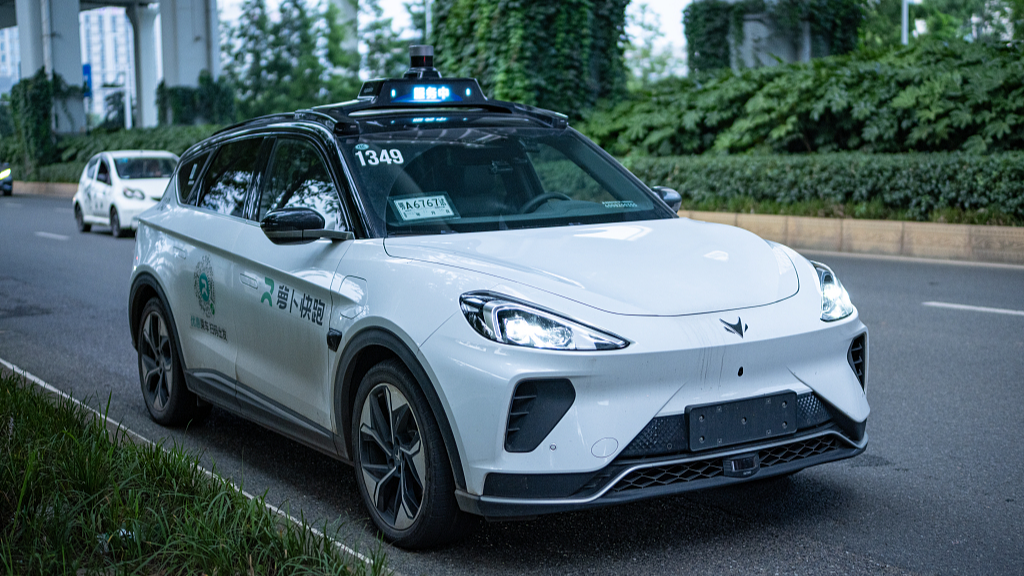
On Tuesday, disruption was reported on the streets of Wuhan following a malfunction in Baidu’s Apollo Go robotaxi fleet.
Videos on social media captured the vehicles as they stopped in the middle of lanes of traffic, with passengers trapped inside. Some of the footage appears to show a vehicle involved in a highway collision, although police reports suggest no one was injured during the incident.
An official police statement issued on Tuesday read: “Upon investigation, preliminary findings suggest system malfunctions as the cause of the incident,” although the exact cause of the incident is yet to be determined.
Wuhan is home to the largest fleet of Apollo Go robotaxis, with over 1,000 Level 4 (L4), or fully driverless, vehicles in operation in the city.
Baidu operates in numerous cities across the world, predominantly in China, and claims to have 300 million autonomous kilometres under its belt. Outside of the Chinese market, the group has forged a number of significant strategic partnerships with ride-hailing companies such as Uber and Lyft. Its Lyft partnership will see autonomous trials begin in London this year, aiming to scale to a commercial fleet pending regulatory approval.
This is not the first time a robotaxi malfunction has caused disruption on busy city streets in recent memory. Back in December of last year, Waymo came under fire after a number of its vehicles malfunctioned following a power outage in San Francisco. The incident led to a number of Waymo vehicles stopping at busy intersections, disrupting traffic. Waymo announced it would update software across its robotaxi fleet to better respond to outages in the aftermath of the event.
In an interview with BBC News, Jack Stilgoe, Professor of Science and Technology Policy at University College London, urged the industry to think critically about this new technology. He said:
“While driverless tech may be safer on average than human drivers, this incident showed it could still go wrong in completely new ways” He added, “If we’re going to make good choices about this technology, we need to understand entirely new types of risk.”
Whilst the technology is beginning to scale at pace, incidents like these demonstrate the need for autonomous tech companies to remain adaptable in a marketplace that is prone to new and often unexpected challenges. If public trust is built on demonstrably high safety standards, AV companies must iron out software kinks before robotaxis can be embraced by the mainstream.
Keep up-to-date with the latest mobility news by subscribing to MOVEMNT’s free newsletter