News
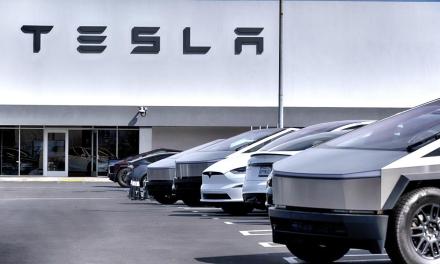
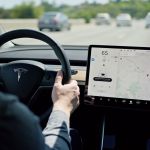
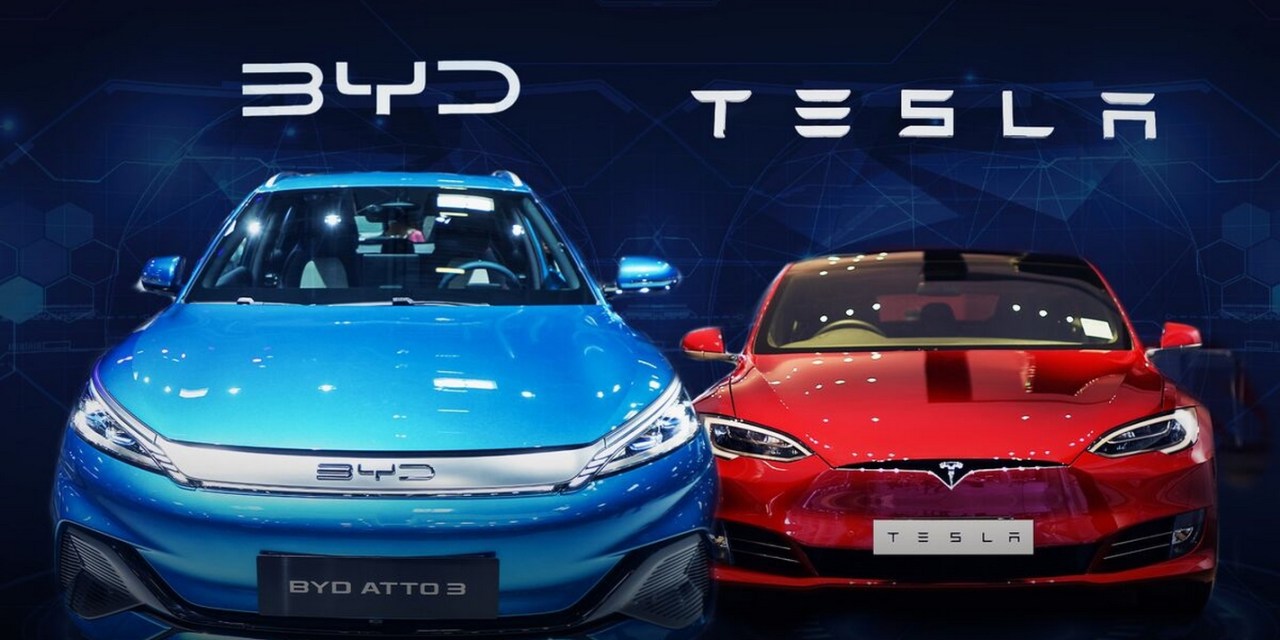
Chinese automaker BYD has usurped Tesla’s title as the world’s biggest electric car maker in 2025. As founder Elon Musk turns his attention to humanoid robots and autonomous driving technology, the American electric car maker is facing declining vehicle sales for the second year in a row, threatening its dominance in the electric vehicle sector. Tesla delivered 1.64mn electric vehicles last year, a 9% shortfall from the previous year. Analysts have attributed the decline, among other factors, to the cancellation of EV tax credits as well as Elon Musk’s controversial involvement in US politics. Meanwhile, Chinese automaker BYD is making considerable headway overseas following its successful entry into Latin American and European markets, having recently opened its first European production facility in Hungary. While the Chinese group has previously outsold Tesla on a quarterly basis, this marks the first time it has overtaken its American rival on an annual basis; in 2025, BYD sold 2.26mn pure electric vehicles, up 28% from the previous year. Tu Le, founder of consultancy Sino Auto Insights, argues that “BYD has cemented its place globally,” adding that low manufacturing costs and rapid Chinese innovation have created an industry that Western automakers are struggling to keep pace with. He added:“BYD, along with the rest of Chinese EV Inc., has raised the stakes so high that it has become very difficult to design a vehicle capable of taking significant market share from them.”As Tesla’s EV ambitions come under increasing pressure, Elon Musk is betting heavily on advancements in artificial intelligence and the commercialisation of humanoid robots to shift momentum back in Tesla’s favour. Musk claims his humanoid robots, named Optimus Prime, could have the capacity to “end global poverty.” Alongside humanoid robotics, Musk is making a strategic pivot towards developing Tesla’s autonomous vehicle technology, known as FSD, or Full Self-Driving (Supervised). Tesla’s own widespread commercialisation in Europe is hindered by a number of critical regulatory hurdles which have prevented the advent of FSD technology on the continent. Analysts predict the technology could be approved this year although the decision will depend on a variety of factors. As both companies close the books on a politically divided and economically uncertain year, the contrast in strategy is becoming increasingly stark. Until Tesla secures regulatory approval and establishes a stronger foothold in the European market, Chinese automakers such as BYD are likely to maintain their competitive edge. Keep up-to-date with the latest mobility news by subscribing to MOVEMNT’s free newsletter