News
Where Tesla was once considered the leader in the electric vehicle revolution, the group, headed by billionaire Elon Musk, has announced that it is broadening its focus, pivoting towards physical AI and robotics.
This decision comes following news that the group had conceded its crown as the biggest global seller of EVs to Chinese rival BYD. However, Musk’s bet on artificial intelligence and humanoid robots may not have paid off just yet, as the company reported its first annual decline in revenue.
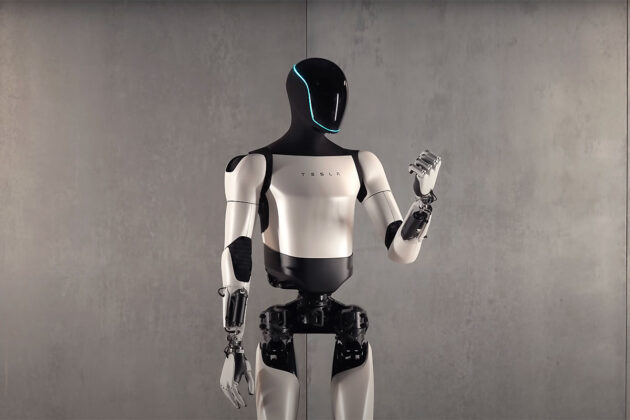
This week, Tesla revealed plans to discontinue its premium Model S and Model X vehicles next quarter. Production will end as the company converts its California factory into a manufacturing base for Optimus, Tesla’s humanoid robot. Elon Musk was unsentimental in his approach to the shift, saying:
“That is slightly sad, but . . . it’s part of our overall shift to an autonomous future.”
The strategic overhaul comes amid mounting pressure on Tesla’s core car business; fourth-quarter revenues fell 3% to $24.9bn, bringing full-year revenue down to $94.8bn. The decline reflects a lacklustre year marked by the removal of US EV tax incentives, Musk’s increasingly erratic political presence, and aggressive competition from Chinese automakers.
Even so, Tesla beat market expectations on adjusted earnings, reporting $1.8bn in adjusted net income for the quarter, though reported net income dropped sharply to $840mn.
Chief financial officer Vaibhav Taneja said Tesla plans to spend more than $20bn this year on factory expansion and AI infrastructure, reinforcing Musk’s long-stated ambition to turn Tesla into what the company now calls a “physical AI company”.
The company also plans to expand its Cybercab service into seven additional US cities by summer. Furthermore, Musk has claimed regulatory approval for its self-driving software in Europe and China could arrive as soon as next month, despite ongoing scrutiny from US safety regulators.
Tesla is also deepening its ties to Musk’s broader AI ecosystem, confirming a $2bn investment in his xAI venture. The move follows a nonbinding shareholder vote that revealed mixed support, with a significant number of shareholder abstentions.
Musk has repeatedly framed robotics and autonomy as the key to Tesla’s future valuation, arguing the company could ultimately be worth tens of trillions of dollars. Whether that bet pays off may determine if Tesla’s next chapter is as transformative as its first.
Keep up-to-date with the latest mobility news by subscribing to MOVEMNT’s free newsletter