News
Last month, BYD made headlines with its updated Blade battery, a lithium iron EV battery boasting super-fast charging times and ranges of up to 1,000 km in a single charge.
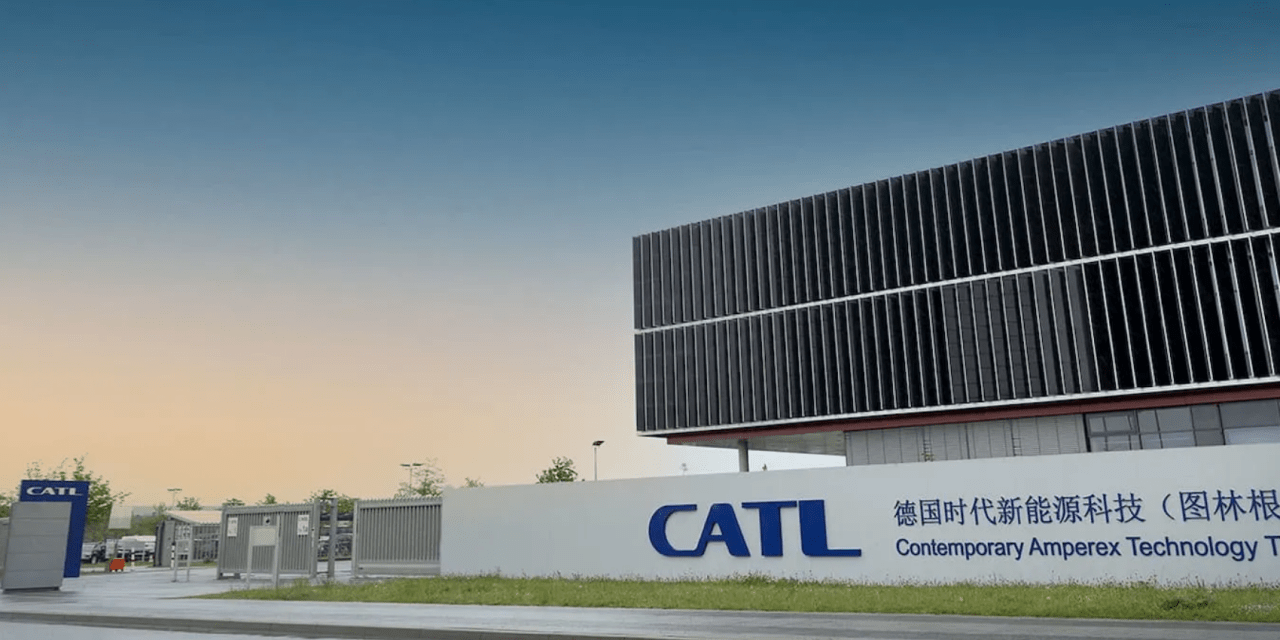
As of Tuesday, BYD’s battery supremacy was toppled by Chinese battery manufacturer and technology company CATL, which announced its latest Qilin battery, capable of delivering a range of 1,500 km in a single charge.
The battery was announced alongside a lineup of five other new batteries, including an upgrade to its Shenxing battery, which can charge from 10 to 98 per cent in six and a half minutes. In comparison, BYD’s Blade technology charges from 10 to 97 per cent in nine minutes.
CATL and BYD, which account for a large portion of the overall market, are committed to continuing research and investment in EV battery technology. In a statement to reporters and investors in Beijing, CATL’s founder, Robin Zeng, said:
“The boundaries of electrochemistry are still far from being reached, and the possibilities of materials science are still far from being exhausted.”
Tuesday’s announcements were unveiled at CATL’s 2026 “Super Technology Day” in Beijing.
By developing six different batteries, CATL is hoping to provide choice across a number of specific use cases, differentiating itself through its ability to meet diverse mobility needs.
CATL’s investment in cell chemistry is paired with a mission to build out a robust network of EV infrastructure, pledging to build 100,000 new charging and swapping stations across China by the end of 2028.
A key barrier for EV makers has been driving public interest and dispelling consumer concerns about long charging times and the impracticality of electric vehicles in extreme weather or temperatures.
Through sustained investment in fast charging, Chinese EV makers like BYD and CATL could help alleviate consumer concerns and restimulate the industry.
Soaring oil prices, as a result of the Iran War, have added further momentum to the global EV industry, positioning electrification as a means to avoid the costly fallout of an energy crisis provoked by global conflict.
In 2025, EVs made up 51 per cent of all new car sales in China, compared to 7.3 per cent in the U.S. With the increasing politicisation of EVs in the North American market, many U.S automakers are walking back ambitious EV targets and pulling investment from battery technology projects.
In some cases, U.S. automakers are even embracing Chinese parts and components in an effort to remain relevant on the global EV stage; German automaker BMW’s new electric iX3 sport-utility vehicle will debut an extended chassis, developed with Chinese technologies from Momenta, Huawei and Alibaba.
CATL and BYD’s firm lead in battery tech further consolidates China’s position as a global leader in electrification.
CATL’s Hong Kong shares are up by almost 140% in the past 12 months.
Keep up-to-date with the latest mobility news by subscribing to MOVEMNT’s free newsletter