News
Germany has long held the title of Europe’s largest and most significant automotive market, with a rich history of manufacturing and vehicle production. As the birthplace of well-loved legacy brands such as Audi and Volkswagen, the automotive sector continues to make up a significant share of Germany’s overall GDP—around 5%.
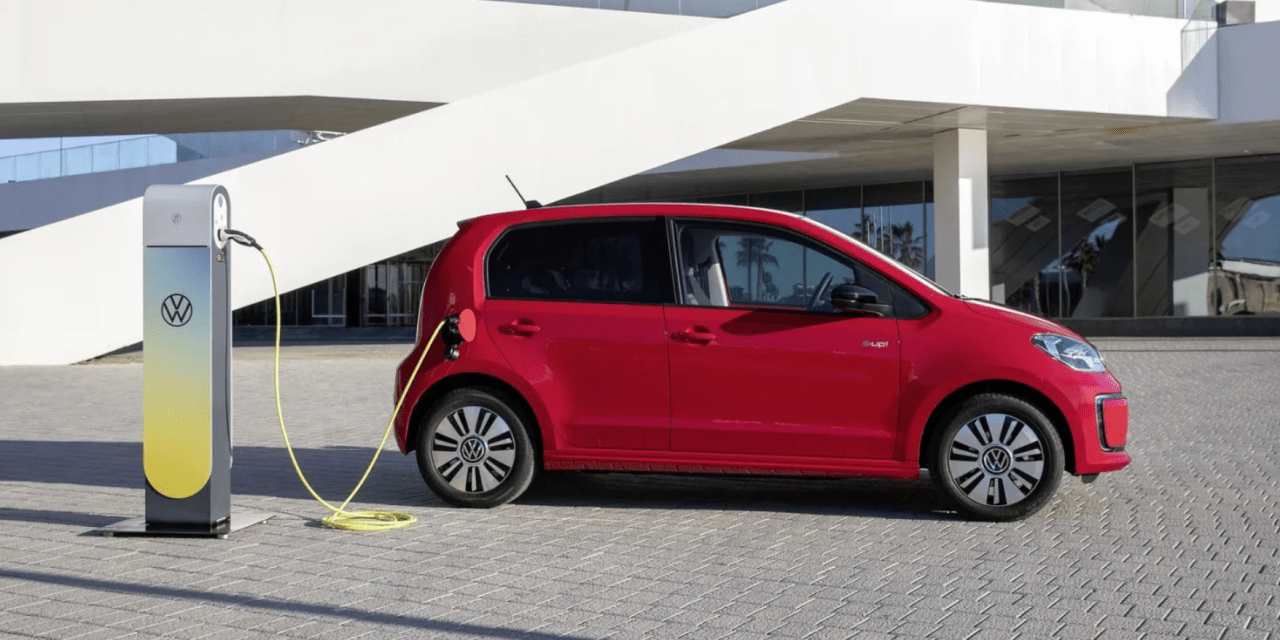
It is perhaps this legacy that explains why Germany’s domestic brands continue to outpace international competition in electric vehicle sales, led by brands like Volkswagen—currently the country’s leading EV seller—followed by BMW.
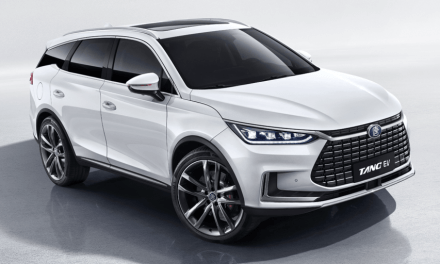
Elsewhere, Chinese automakers are beginning to dominate the global EV market, with Chinese EV manufacturer BYD usurping Tesla’s crown as the global leader in EV sales for 2025.
BYD saw its sales rise by over 700% to more than 23,000 cars in 2025 alone, giving it 0.8% of the total market. Despite this rapid growth, domestic EV market expansion continues to outpace Chinese gains. Overall EV sales for Chinese manufacturers rose by 25% in 2025, whereas German EV sales grew faster, surging by 43% in the first half of the year.
This success for domestic brands, published in a report on Tuesday, comes at a crucial time for German EV makers, who are facing market uncertainty following the rollback of the EU’s 2035 EV mandate at the end of last year.
Analysts have speculated as to why German EV makers continue to outperform their Chinese counterparts. Some suggest that the structure of Germany’s EV market lends itself to domestic success: a large proportion of German EV sales consist of company cars, which benefit from generous tax treatment. This directly advantages German automakers, many of whom maintain strong ties to corporate fleets.
Despite this success, many observers feel that Germany is still behind in its national EV strategy and may struggle to meet electrification targets without accelerated expansion.
EY analyst Constantin Gall demonstrated his scepticism regarding Germany’s EV market, stating:
“We haven’t seen a real boom yet. The hoped-for surge in e-mobility in Germany is proving to be much more protracted and difficult than expected.”
The government is taking a proactive approach, reinstating subsidies for electric vehicles amid Brussels’ ongoing EV policy uncertainty. As countries such as the U.S. and the UK scale back supportive EV legislation—such as tax credits or exemptions—Germany is responding to slowing growth with targeted subsidies aimed at low- and middle-income families.
It remains to be seen what impact this legislative decision will have on national EV sales, with sceptics arguing that the majority of EV purchases still come from higher-earning households rather than the intended lower-income segment.
While Germany’s domestic automakers continue to demonstrate resilience and market leadership in the EV sector, structural challenges and policy uncertainty remain. As global competition intensifies, Germany’s ability to balance its legacy with rapid innovation will be critical to maintaining its position at the forefront of Europe’s electric transition.
Keep up-to-date with the latest mobility news by subscribing to MOVEMNT’s free newsletter