Latest News

Elon Musk’s Tesla approved to enter UK energy market amid security concerns
The world’s richest man, Elon Musk, could soon have sway over the UK’s private energy sector after its subsidiary, Tesla Energy Ventures, received approval to operate as an electricity supplier in the United Kingdom. The licence, granted by the UK energy regulator, clears the path for the company to enter a market that has faced turbulence in recent years and rising concern among households over an ongoing cost-of-living crisis.
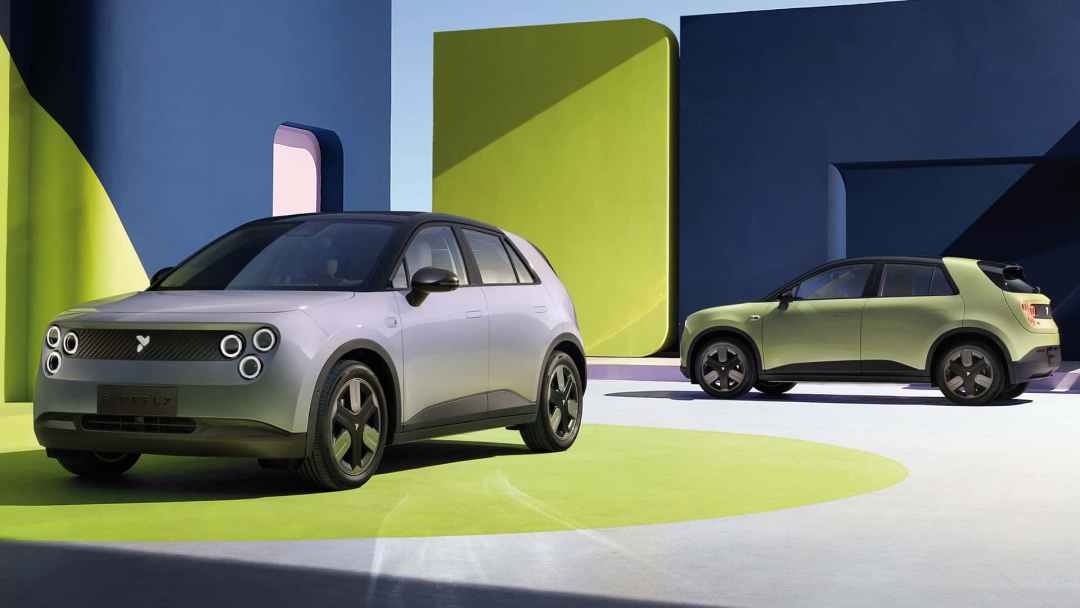
China’s NIO turns a tidy profit on EV strategy after 2025 record sales
Chinese electric-vehicle maker NIO reported its first quarterly net profit in the final months of 2025, representing a significant milestone for the Shanghai-based company. The result places the automaker among a small but growing group of profitable EV manufacturers in China, the world’s largest EV market, alongside emerging rivals XPeng and Li Auto.
The accolade was fuelled by surging vehicle demand and stronger margins, following a year that began with slower-than-expected sales growth. The company’s upwards trajectory was sparked by the launch of the company’s redesigned premium SUV, the NIO ES8, which quickly became a major contributor to sales.

Introducing MOVE 2026’s Women in Mobility Awards
In honour of International Women’s Day, we are relaunching our annual Women in Mobility Award, recognising the inspiring women driving innovations in auto tech through their leadership and expertise.
After receiving hundreds of nominations for the MOVE 2025 Women in Mobility Award last year, we have brought it back this year to give more of the industry’s ever-growing female talent the chance to win the 2026 title.
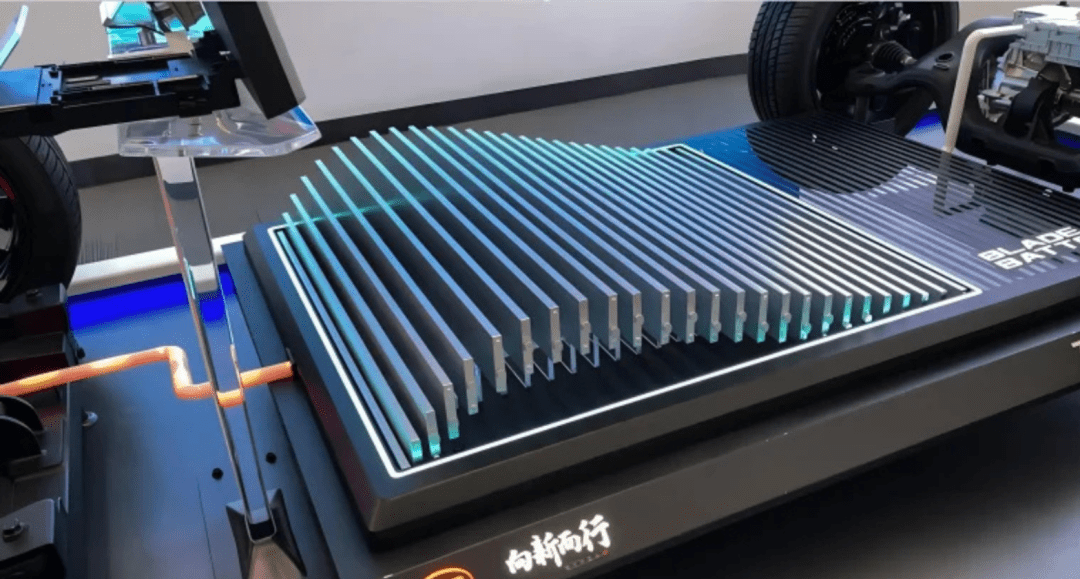
BYD launches improved Blade battery with faster charging time to outstrip competitors
Chinese electric vehicle manufacturer BYD has introduced a major update to its signature Blade battery technology, marking the first significant upgrade to the system in six years. The company hopes faster charging speeds and longer driving ranges will help them outstrip its rivals in China’s intensely competitive EV market.

EU’s Industrial Accelerator Act could bring UK and Japan into ‘Made in Europe’ scheme
The EU’s “Made in Europe” content laws are set to undergo an expansion, with countries like the UK and Japan included within Brussels’ manufacturing targets.
The European Commission said these adjustments would protect European manufacturers, and now those of allied nations, from ferocious Chinese competition.
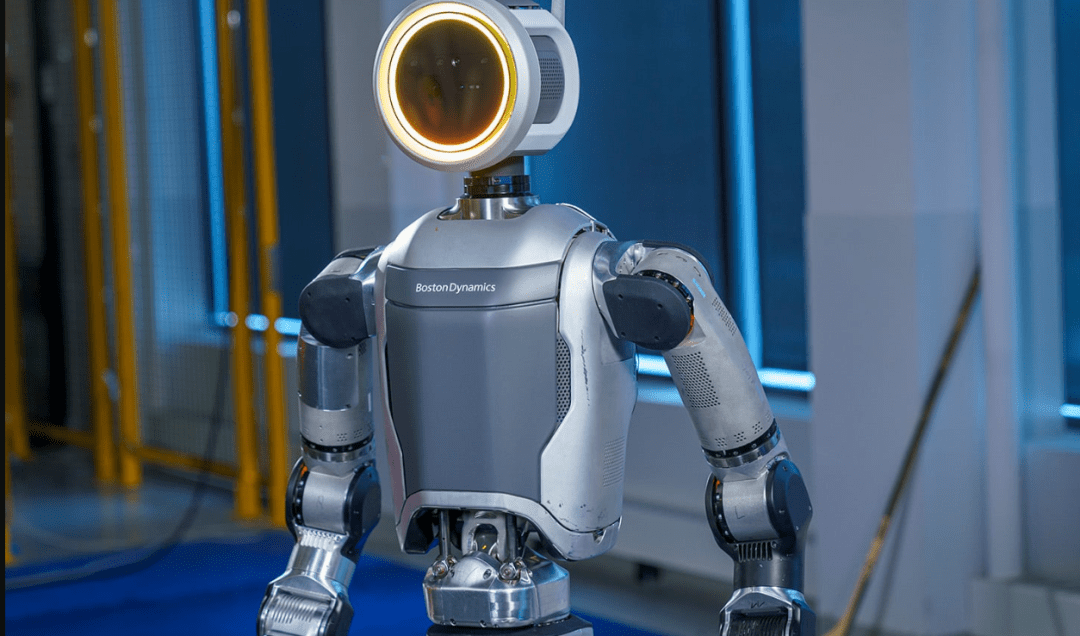
Hyundai joins the physical AI race, promising humanoid robots and autonomous mobility
A year ago, Hyundai Motor Company appeared to be trailing behind its rivals in the race to fuse artificial intelligence with the automobile. While competitors such as Tesla and BYD showcased advances in humanoid robotics and autonomous driving, Hyundai’s leadership openly acknowledged it had been slow off the starting line.
At the Consumer Electronics Show, earlier this year, Hyundai demonstrated that the tides were beginning to turn, exhibiting an ambitious physical AI project, Atlas—a humanoid robot developed by its US subsidiary Boston Dynamics.

Software-defined vehicles and the 15-year challenge: Can automotive software outlast the hardware?
Software-defined vehicles (SDVs) were introduced with the promise of extending a vehicle’s “relevance” through continuous software updates. Manufacturers promoted the idea that cars could ‘level-up’ long after leaving the factory, gaining new features and performance improvements over their lifespan. Made simple, cars would literally have the power to evolve as technology improves and connectivity becomes more advanced.
However, as the first generation of these vehicles matures, questions are emerging about lifecycle costs, hardware limitations and long-term responsibility—are the glitzy promises made by automakers simply too good to be true?
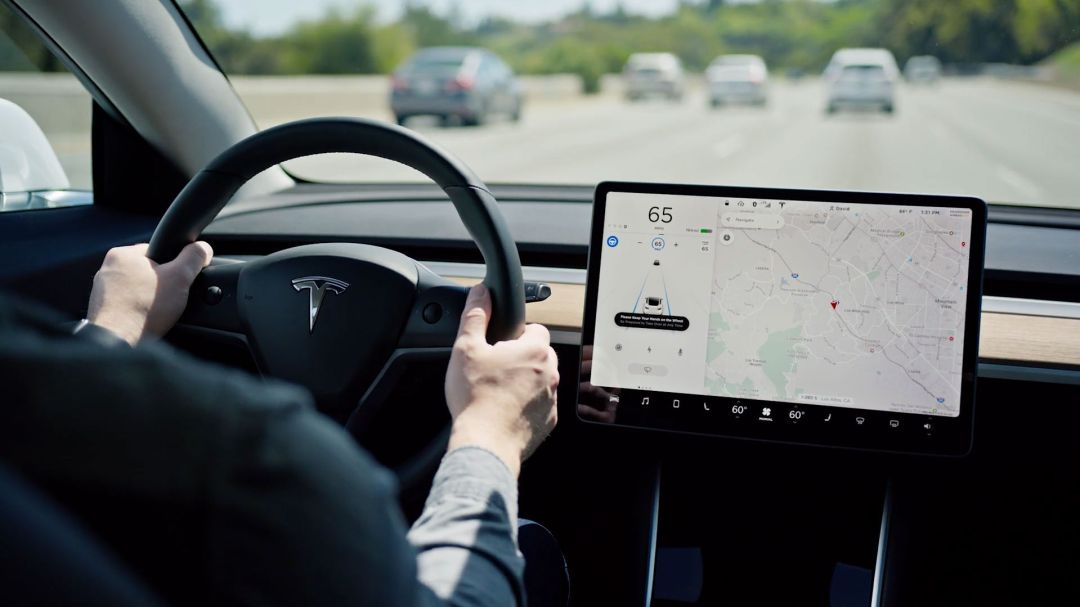
Tesla forced to drop “Autopilot” branding in California after “misleading” marketing ruling
Tesla has removed the term “Autopilot” from its marketing campaign in order to comply with Californian regulators. The electric vehicle and robotics group found itself in hot water last December after the California Department of Motor Vehicles deemed its Autopilot feature misleading to potential consumers.
Tesla’s Autopilot platform includes features such as Traffic-Aware Cruise Control and Autosteer, systems designed to assist drivers with tasks like braking, steering, and accelerating, but they do not equip the car with fully autonomous capabilities, as the name may suggest.

Brussels to require 70% EU content for subsidised EVs under “Made in Europe” mandate
In a bid to stave off Chinese competition, Brussels is introducing a “Made in Europe” mandate ensuring that at least 70% of new electric vehicle components are manufactured in the EU.
The Industrial Accelerator Act will be published by the European Commission in March; however, the following predictions are based on a draft report seen and reported on by the Financial Times this week.
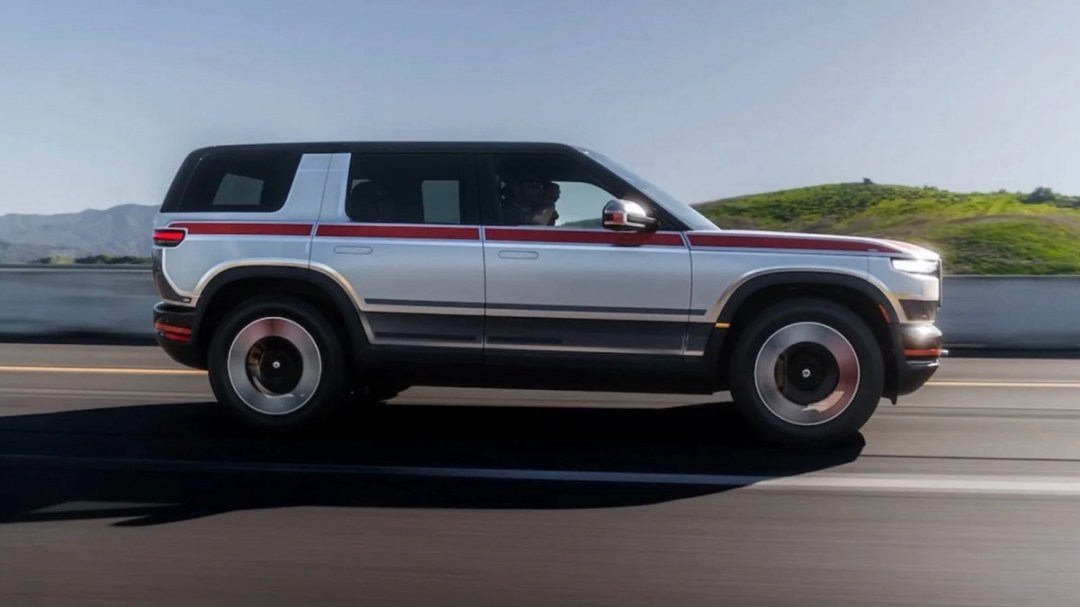
Affordable EVs offer lifeline for automakers amid market slowdown
As many global automakers roll back on their EV strategies in the face of an industry slowdown, the global market is showing a strong preference for affordable EVs over more expensive models.
After the end of the US federal subsidy and the Trump administration’s reversal of EV-friendly legislation, many automakers are suffering heavy losses as the market pivots away from pure EVs and back to hybrid and ICE vehicles.
Yet, in spite of this trend, cheaper EV models have proven to be a lifeline for automakers placing their bets on electric vehicles.
New report suggests software defined vehicle market will soar to almost $2,000 billion USD by 2034
The global automotive industry is entering a new phase of digital transformation, with software increasingly defining how vehicles operate, evolve and relate to the consumer.
A new study from Allied Market Research forecasts that the software defined vehicle (SDV) market will expand dramatically over the next decade, reaching an estimated $1,902.9 billion USD by 2034.

China’s EV sales fall for the first time in 2 years
Government subsidies and cheap manufacturing costs have long given Chinese automakers a competitive edge when it comes to EV production, facilitating the rapid expansion of manufacturers like BYD and Geely into overseas markets.
This seemingly unstoppable growth now appears to be showing signs of waning, following an announcement from the China Passenger Car Association reporting a fall in electric vehicle sales for the first time since February 2024.
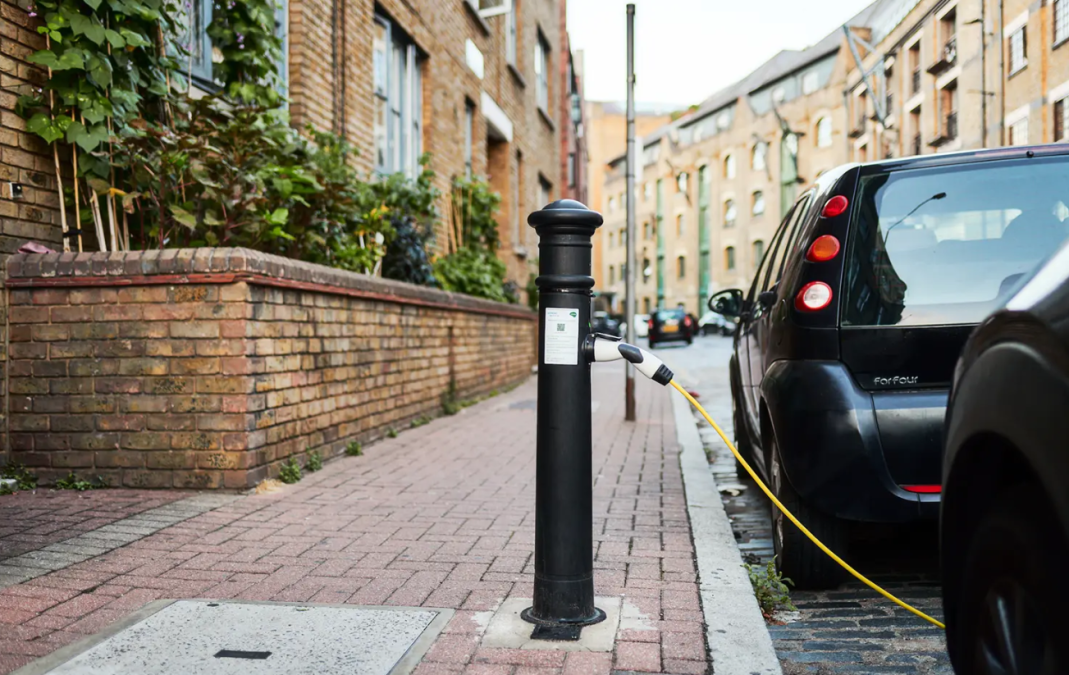
The charge point shortfall: Can the UK build charging infrastructure fast enough for 2030?
EV sales soared to a record high in Europe in 2025, with electric vehicle sales up by 30%. In the UK, the story is much the same, with EV sales surpassing petrol vehicle sales in the month of December and tracking steady growth into 2026.
However, as the market moves towards electrification, analysts have warned that the UK must double the number of electric vehicle charge points it installs annually if it is to meet its 2030 targets.

Canada/ China trade deal promises 49,000 cheap EVs for Canadian consumers
Canadian Prime Minister Mark Carney and Chinese leader Xi Jinping have struck a landmark trade deal allowing cheap Chinese EVs into Canada en masse.
This unprecedented strategic alliance, made during Carney’s trip to Beijing earlier this month, will allow up to 49,000 Chinese EVs into the country at a tariff of 6.1%, down from 100%.

Daimler Truck’s Japanese arm Foxconn accelerates electric bus project
Daimler Truck’s Japanese unit and Taiwan-based manufacturing giant Foxconn are officially taking the next step in their electric vehicle partnership, announcing plans to launch a new bus company later this year. The new project will focus on electric buses for Japan and international markets.
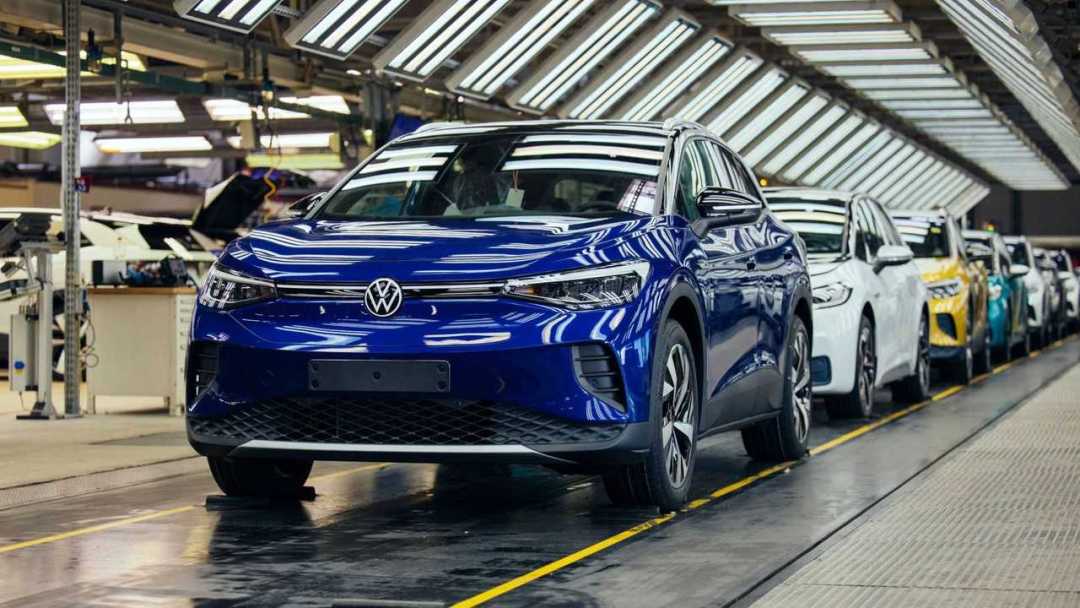
Germany to invest €3bn in electric vehicle incentives
Germany is preparing to relaunch large-scale incentives for electric vehicles, signalling a concerted governmental effort to revive demand after last year’s slowdown.
The federal government plans to allocate around €3bn to a new support programme that will run from the beginning of this year until 2029, aiming to put roughly 800,000 additional low-emission vehicles on the road.

The physical AI revolution: How automakers are rethinking manufacturing in 2026
Conversations around AI are dominating the tech and automotive industries as companies rush to integrate efficiency-boosting AI systems into their manufacturing processes. For many of us, our first introduction to AI is likely to have been through large language models like OpenAI’s ChatGPT or Google’s Gemini.
Now, in 2026, the industry is pivoting from a software-focused approach to a hardware-driven one, moving towards physical applications such as robotics and advanced automation. In this period of strategic change, the question remains: are automakers reading for the physical AI revolution?

Ford in talks with BYD to source batteries for hybrid models
Legacy OEM, Ford Motor is holding discussions with China’s BYD about a possible partnership that would allow the U.S. automaker to purchase batteries for some of its hybrid vehicle models.
The talks are ongoing and remain fluid, with no guarantee that the two parties will arrive at a deal. The somewhat unlikely alliance could allow Ford to import batteries from BYD for use in vehicle production at factories located outside the United States.
Tesla embraces recurring revenue, offering FSD autonomy as a subscription-only service
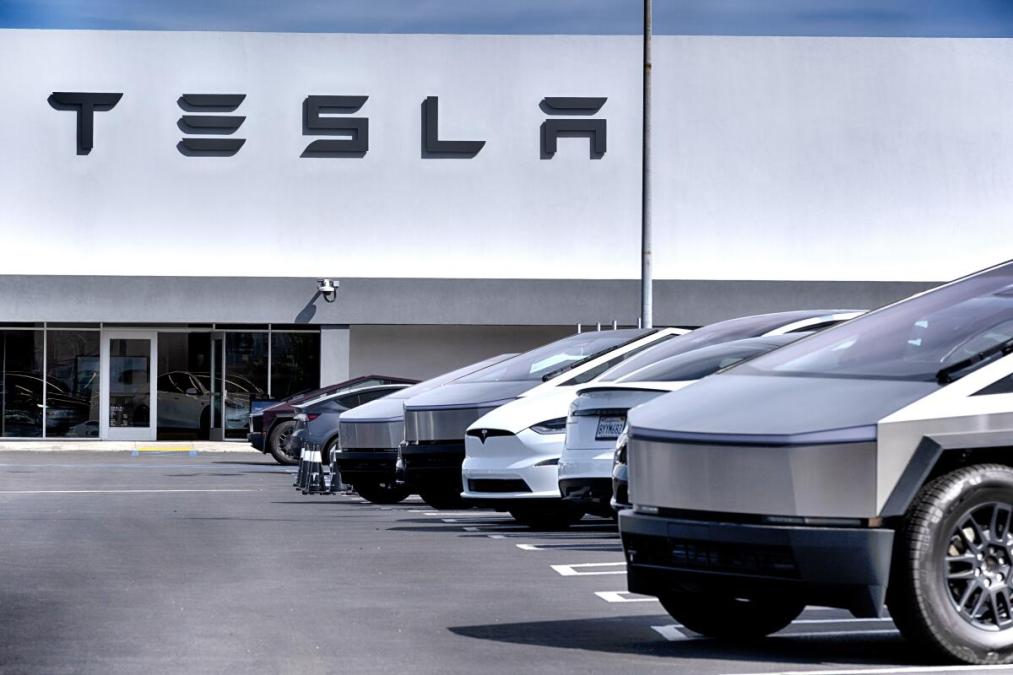
Tesla’s Chief executive Elon Musk has confirmed that the company will eliminate the one-time purchase option for its Full Self-Driving (FSD) package in the U.S., moving exclusively to a monthly subscription model beginning February 14.
The move illustrates the brand’s decision to lean heavily in to recurring revenue streams and subscription services—think X premium, launched in October 2023.

New York Governor gives the green light to robotaxis in state address
Robotaxis may be a familiar sight in Texas and California, but as self-driving vehicles ramp up in more than 20 states, New York has historically shown trepidation when it comes to advancing welcoming AV legislation.
All of this could be set to change following New York Governor Kathy Hochul’s unveiling of plans to legalize robotaxis in the state of New York during her State of the State address on Tuesday.
Ford promises Level 3 autonomy by 2028 at CES
A host of exciting developments came out of the Consumer Electronics Show (CES) held in Las Vegas last week.
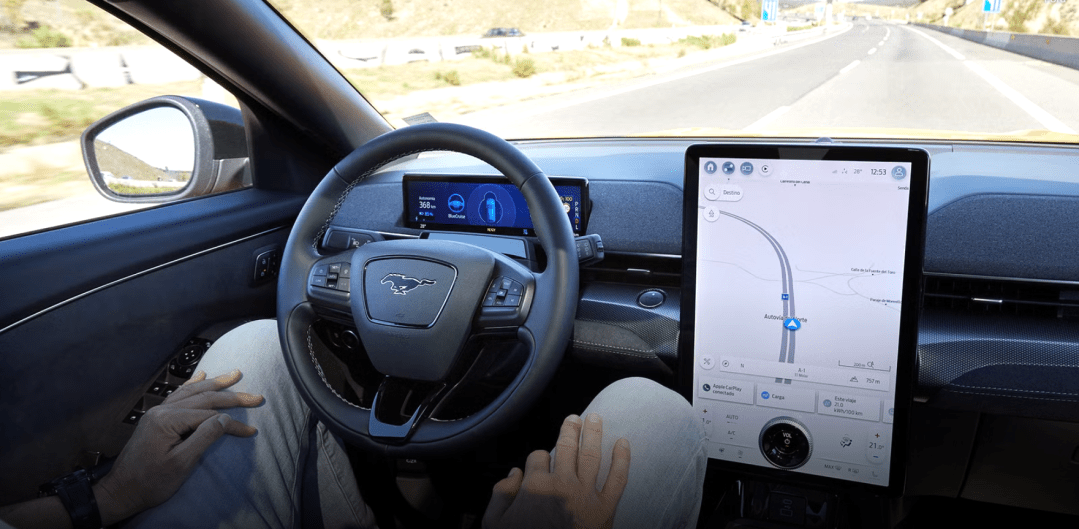
Among the speakers was Ford’s chief EV, digital, and design officer, Doug Field, who laid out Ford’s roadmap for hands-free, eyes-off driving. Alongside this announcement, Ford revealed plans for an AI assistant and a new “vehicle brain” module.

UK Government unveils new Road Safety Strategy combatting drink driving and inexperienced motorists
This week, the UK government announced its new Road Safety Strategy, the first in over a decade.
The government claims this new strategy will save thousands of lives on UK roads through a series of reforms, including a crackdown on drunk driving and mandatory eye tests for older drivers.
Latest McKinsey report concludes autonomous technology is “developing rapidly, but the future is still in flux”
Globally leading consultancy firm McKinsey & Company yesterday published its third biannual survey on autonomous vehicle technology, the first since 2023.
The report attempts to provide a comprehensive forecast of autonomous technology, offering a deep dive into the current trends and predictions dominating the fast-paced autonomous vehicle industry. Summarising its global findings from 2025, the report began: “Autonomous-vehicle technology is developing rapidly, but the future is still in flux.”

Nvidia unveils AI platform to equip self-driving cars with human-like “reasoning”
The world’s leading AI chipmaker, Nvidia, has announced a new tech platform, Alpamayo, which promises to equip self-driving cars with “reasoning” capabilities.
Taking to the stage at Las Vegas’ CES, Nvidia’s CEO, Jensen Huang, laid out the next leg of the company’s AI roadmap, suggesting it is seeking opportunities to embed AI into physical hardware such as autonomous vehicles.

China’s BYD overtakes Tesla in annual EV sales for 2025
Chinese automaker BYD has usurped Tesla’s title as the world’s biggest electric car maker in 2025. As founder Elon Musk turns his attention to humanoid robots and autonomous driving technology, the American electric car maker is facing declining vehicle sales for the second year in a row, threatening its dominance in the electric vehicle sector.
Waymo to update its software after San Francisco power outage wreaks havoc on its robotaxi fleet
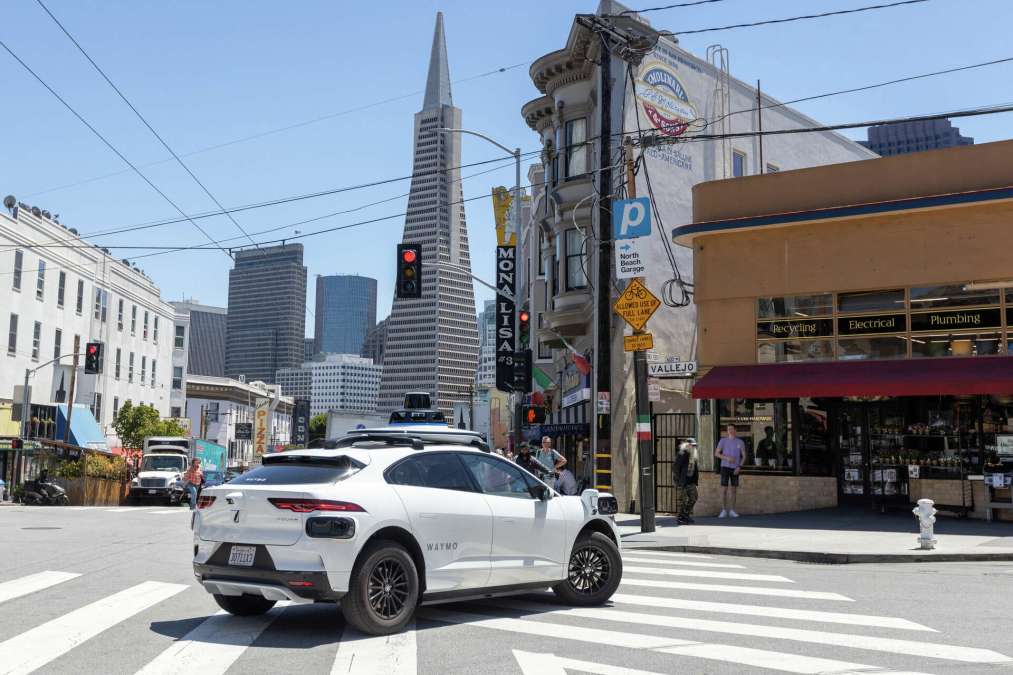
Last weekend, Waymo came under fire after several of its vehicles were affected by a citywide power outage in San Francisco that left many of its vehicles stalled at intersections.
Waymo has since announced it will update software across its robotaxi fleet to better respond to outages, while also expanding its first responder engagement and emergency response protocols.
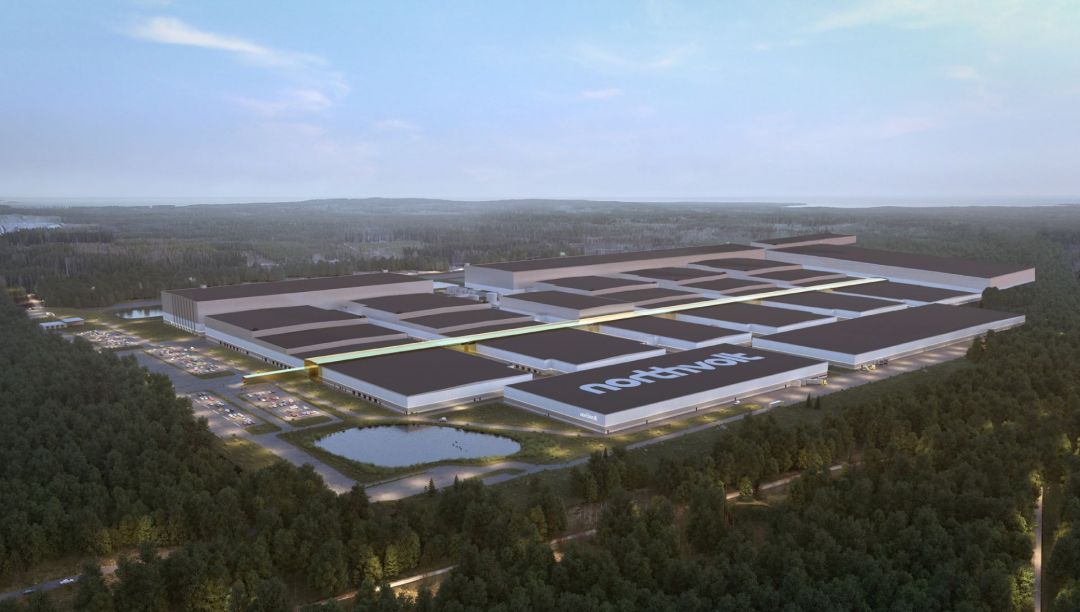
Battery manufacturers say “Made in Europe” regulation is essential to compete with China
Europe’s race to secure its electric vehicle future is increasingly centred on one question: how much of an EV should be made at home?
As Brussels prepares proposals to raise local content requirements for products such as cars and solar panels, senior figures from Europe’s emerging battery industry are voicing strong support, arguing that tighter rules are essential to counter China’s dominance in EV production and adjacent key technologies.

Baidu’s partnerships with Uber and Lyft promise robotaxis in London from 2026
Baidu has announced it will be teaming up with both Uber and Lyft to deliver autonomous robotaxis in London, consolidating the UK as the next hotbed for autonomous innovation.
On Monday, Uber announced it would begin pilot programmes in the UK capital following the unveiling of a strategic partnership with Baidu’s robotaxi unit, Apollo Go, back in July. Pilots are set to begin in early 2026.

Follow us!