Latest News
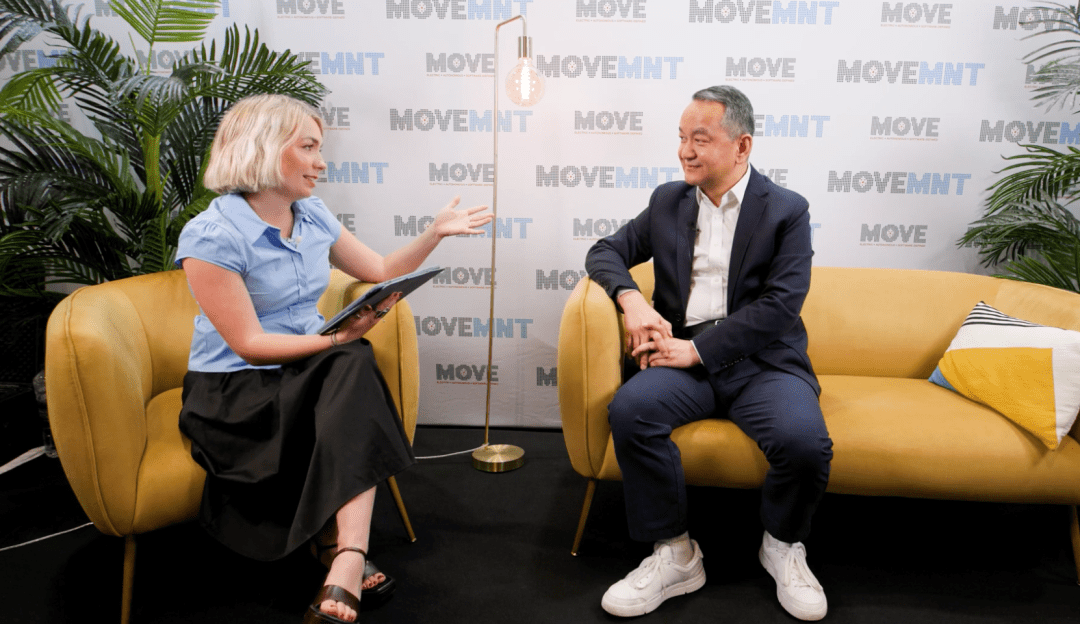
CEO and Co-Founder of Pony.ai James Peng speaks on European expansion and the hybrid network
Speaking with us at MOVE 2026, we heard from the brilliant James Peng, co-founder and CEO of Pony.ai, who shared his insights on global expansion, regulatory alignment, and the evolving role of AI in autonomous driving.
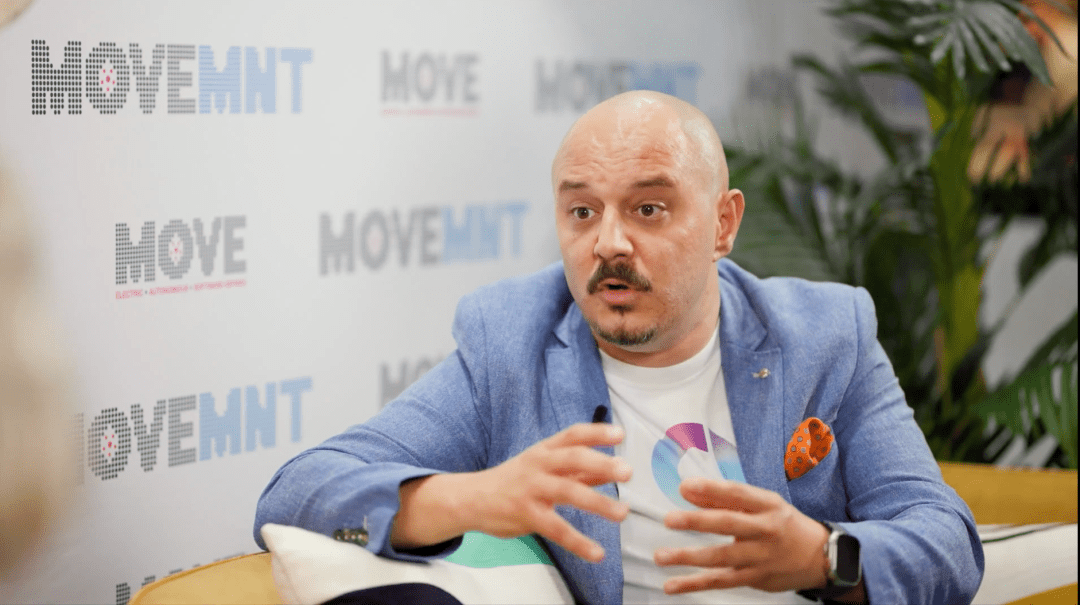
Reimagining customer experience as a growth engine with Aymen Ismail of Smart
In the automotive world, customer service has historically meant frustrating dealership upsells, call centres and faulty agents. For Smart, the goal is to flip that narrative entirely, reimagining customer service as a powerful growth engine. We sat down with Aymen Ismail, Customer Services Director at Smart Europe, at MOVE 2026, to discuss how data-driven personalization and proactive tech are turning the entire ownership journey into a vehicle for growth.

Nurturing the mobility innovation of the future with VW Group’s Konnect Innovation Hub
The path to automotive innovation lies in breaking down the walls of corporate isolation. That is the philosophy behind Konnect Innovation Hub, the Volkswagen Group’s scout for cutting-edge tech. We sat down with Managing Director Hemdat Sagi at MOVE 2026 to discuss how external partnerships are accelerating the future of software-defined and sustainable vehicles.

MOVE exclusive: Stellantis and Wayve announce strengthened robotaxi partnership at MOVE 2026
Wayve and Stellantis chose MOVE 2026 as the exclusive platform to announce the next phase of their strategic partnership.
Alex Kendall, CEO of Wayve, and Ned Curic, Chief Engineering Officer and CTO at Stellantis, took to the Keynote Stage to announce their shared vision for Level 4 autonomy, presenting a strengthened partnership committed to delivering robotaxis on a global scale.

MOVEmnt Podcast Episode 5: Evalena Falck
MOVE 2026 is now just a week away, and what better time than to hear from one of our fantastic Keynote speakers?
In Episode 5, MOVEmnt’s Eve Stevens sits down with a powerhouse in the world of heavy transport and automotive, Evalena Falck, Vice President and Head of Strategic Business at Scania Group.

Will a dual-use defence strategy revive Europe’s struggling automotive industry?
As Europe’s car industry struggles in the face of intensifying Chinese competition and Trump’s imposed tariffs, some industry experts expect the historic symbiosis between the automotive and defence is set to deepen. This shift comes at a time when Europe is preparing to ramp up its military investment in the face of global conflict, an increasingly volatile relationship with the U.S., and the fracturing of the NATO alliance following Trump’s invasion of Greenland earlier this year. Last year, EU President Ursula von der Leyen described 2025 as an “era of rearmament”, a trend which has only escalated with recent disruption in the Middle East.
One such automaker considering this dual-use approach is German automotive brand Mercedes-Benz, which announced on Friday that it would be open to exploring military use cases.

MOVE 2026 WIM Awards: Meet the women forging the future of automotive and tech
After a record number of nominees, voting is now open to crown the winner of MOVE 2026’s WIM Awards. The winner of this year’s award will be announced at MOVE 2026, June 17 at London’s ExCeL.
We are shouting out a handful of the inspiring female voices who are forging the future of automotive and tech, through their hard work, creativity and determination.

Spain becomes key testbed for Stellantis and Leapmotor’s expanded alliance
Stellantis and Chinese electric vehicle brand Leapmotor are preparing to deepen their allegiance as both companies angle to expand their electric vehicle footprint across Europe.
The partnership began in 2023 when Stellantis purchased an approximately 21% stake in Leapmotor and launched a joint venture focused on selling and manufacturing Leapmotor vehicles outside of China. The companies now say they are exploring new ways to increase production efficiency while reducing manufacturing costs.

Speakers in the news: Meet the companies making headlines ahead of MOVE 2026
The world’s #1 auto tech event is returning to London, June 17–18. MOVE focuses on the technology that sits behind the automotive sector, specialising in autonomous, electric and software-defined mobility. MOVE is all about showcasing the leading agents of innovation and progress, from automotive OEMs, fleets, CPOs, transport operators, investors, start-ups and battery manufacturers, across 15 conference stages. Existing in a fast-paced and dynamic sector, industry change is an expectation rather than an anomaly when it comes to automotive and tech. To help you keep abreast of the latest developments, we have put together a shortlist of current news updates from some of the biggest disruptors speaking at the event this year.

UK new car market grows by almost a quarter in best April since pre-pandemic levels
The UK’s new car market registered unprecedented growth last month, expanding by almost a quarter, up 24%.
According to new data from the SMMT (the Society of Motor Manufacturers and Traders), the UK recorded 149,247 vehicles in April, the strongest growth in the sector since before the pandemic.

WeRide and Lenovo announce expanded partnership to deliver 200,000 autonomous vehicles by 2031
Announced at Auto China 2026, Chinese tech firms WeRide and Lenovo have revealed an expanded partnership to develop 200,000 autonomous vehicles over the next five years. Of these 200,000 vehicles, many will be robotaxis operating at Level 4 autonomous capability, or “driver-out.”
Based in the Chinese city of Guangzhou, WeRide has already been a leader in China’s autonomous push, with established R&D and pilot projects in 40 cities across 12 countries globally.

The world’s #1 auto tech event is back…what’s new for MOVE 2026?
We are back for our eighth edition… so what’s new for MOVE 2026?
This year’s agenda brings together 250+ speakers, 75+ sponsors and 75+ start-ups for two days of dynamic discussion. From an exciting refocus, to a wave of influential new speakers, expect some big changes at our 2026 event. So what’s new this year?
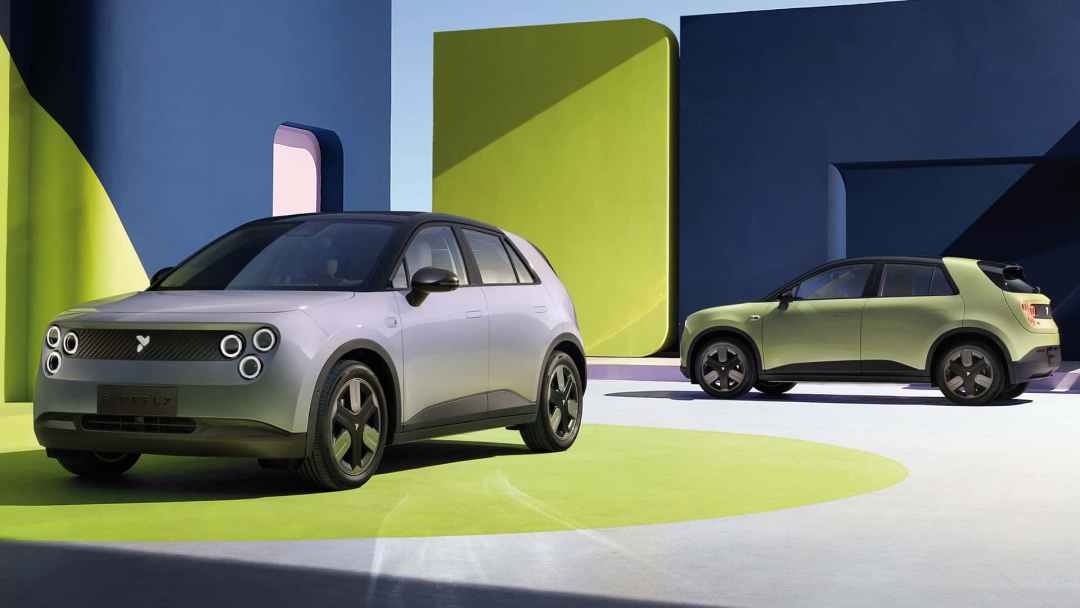
China’s NIO turns a tidy profit on EV strategy after 2025 record sales
Chinese electric-vehicle maker NIO reported its first quarterly net profit in the final months of 2025, representing a significant milestone for the Shanghai-based company. The result places the automaker among a small but growing group of profitable EV manufacturers in China, the world’s largest EV market, alongside emerging rivals XPeng and Li Auto.
The accolade was fuelled by surging vehicle demand and stronger margins, following a year that began with slower-than-expected sales growth. The company’s upwards trajectory was sparked by the launch of the company’s redesigned premium SUV, the NIO ES8, which quickly became a major contributor to sales.

Introducing MOVE 2026’s Women in Mobility Awards
In honour of International Women’s Day, we are relaunching our annual Women in Mobility Award, recognising the inspiring women driving innovations in auto tech through their leadership and expertise.
After receiving hundreds of nominations for the MOVE 2025 Women in Mobility Award last year, we have brought it back this year to give more of the industry’s ever-growing female talent the chance to win the 2026 title.
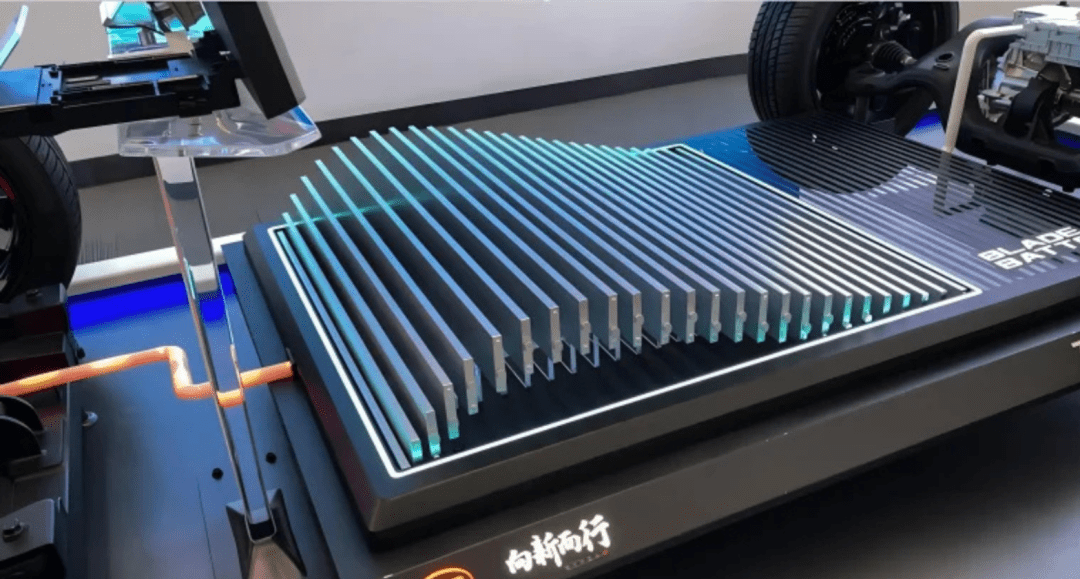
BYD launches improved Blade battery with faster charging time to outstrip competitors
Chinese electric vehicle manufacturer BYD has introduced a major update to its signature Blade battery technology, marking the first significant upgrade to the system in six years. The company hopes faster charging speeds and longer driving ranges will help them outstrip its rivals in China’s intensely competitive EV market.

EU’s Industrial Accelerator Act could bring UK and Japan into ‘Made in Europe’ scheme
The EU’s “Made in Europe” content laws are set to undergo an expansion, with countries like the UK and Japan included within Brussels’ manufacturing targets.
The European Commission said these adjustments would protect European manufacturers, and now those of allied nations, from ferocious Chinese competition.
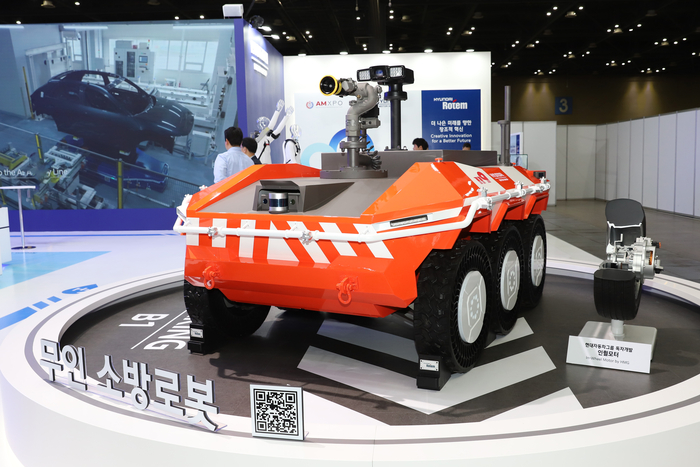
Firefighters and factory workers: Meet the intelligent robots at the forefront of the AI revolution
As corporations begin to embed AI into the ways they process data, make sales, and draft communications, many companies are also looking for ways to automate and implement AI in manufacturing processes, on factory floors, and to perform difficult or dangerous tasks that humans may not want or cannot do.
Automotive manufacturers are among the companies leading the charge in the physical AI space. Read more to find out how.
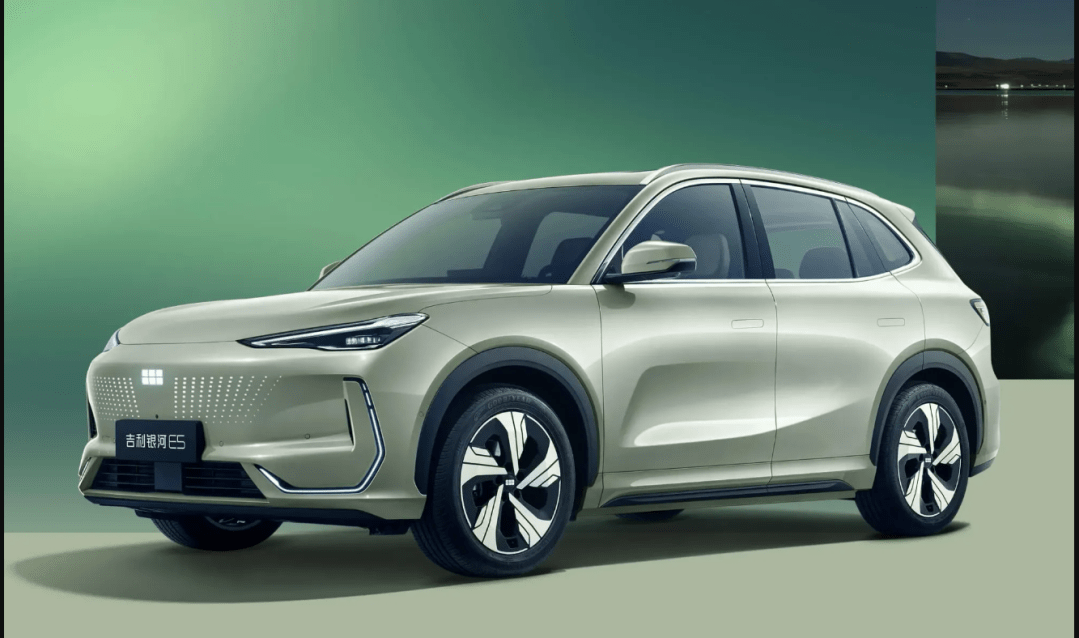
Geely surpasses BYD in EV sales for second consecutive month
As the Chinese government winds down its EV incentives, China’s fiercely competitive EV market is showing signs of slowing down. EV sales in China fell for the first time in almost two years last month, the first time since February 2024.
In the midst of this downturn, Chinese EV maker Geely has emerged as a clear frontrunner, surpassing BYD’s sales for the second month in a row. This two month lead comes just months after BYD was announced as the global-leader in EV sales for 2025, beating historical rival Tesla.
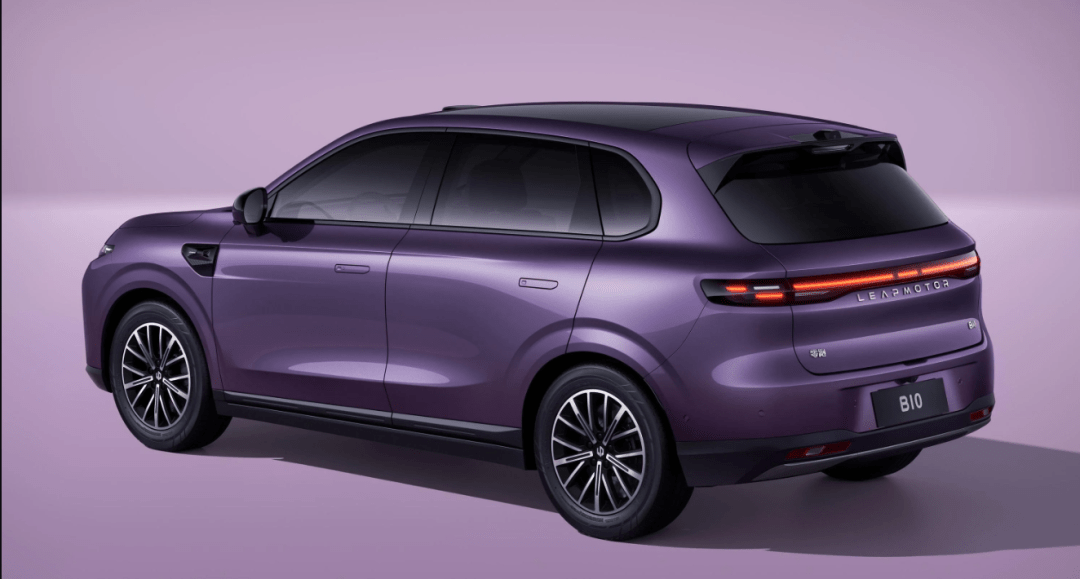
Stellantis explores Leapmotor’s EV technology to cut costs and boost European sales
Multinational automotive manufacturer Stellantis announced it is exploring the use of electric-vehicle technology from its Chinese partner Leapmotor as it looks for ways to cut costs and stay competitive in Europe.
The legacy automaker, headquartered in the Netherlands, is considering expanding the scope of its joint venture to gain deeper access to Leapmotor’s battery systems and EV powertrain expertise, particularly for high-volume brands such as Fiat, Opel and Peugeot.
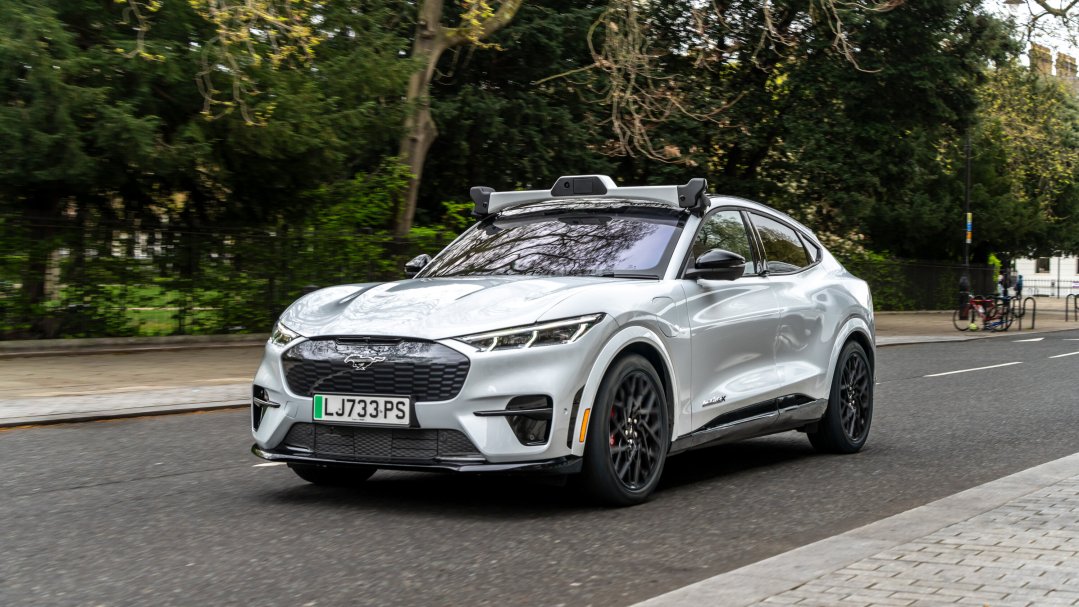
Wayve secures $1.2 billion in investment to scale “generalisable” self-driving tech
Autonomous driving company Wayve, founded in 2017, has officially raised $1.2 billion in funding following a successful Series D investment round. This new development accelerates Wayve’s post-money valuation to $8.6 billion, making it one of the UK’s most valuable AI startups.
The investment round was backed by investors including Microsoft, world-leading chipmaker Nvidia, ride-hail provider Uber, and automakers including Nissan, Mercedes-Benz, and Stellantis.
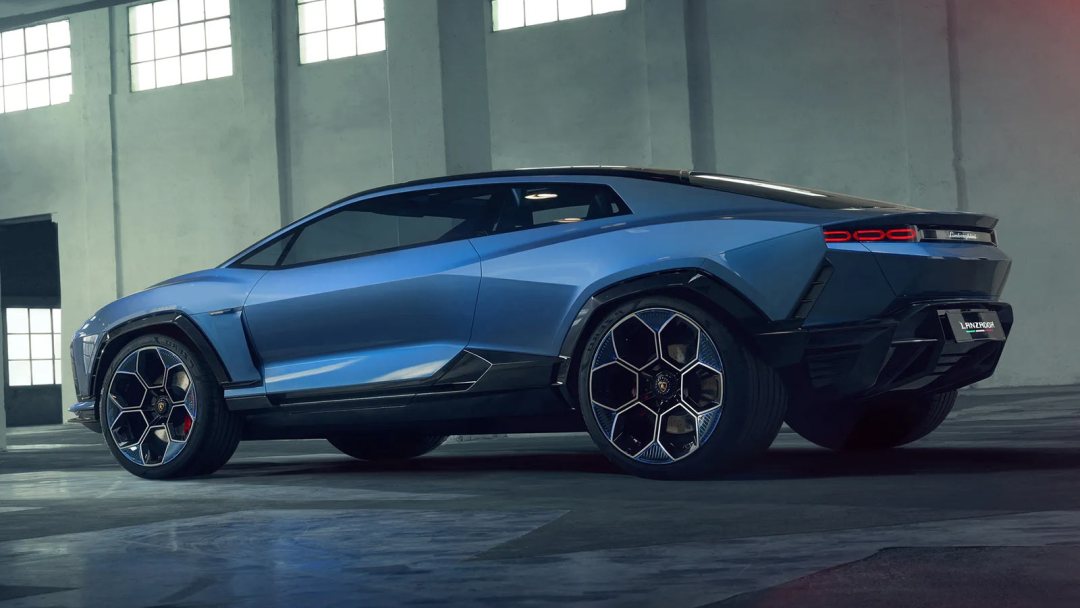
Lamborghini abandons plans for “Lanzador” EV supercar and bets on hybrids
In a radical reversal of its sustainability strategy, Lamborghini has announced that it is ditching plans to launch its first electric supercar. The Italian automaker is instead betting on hybrid vehicles following a slump in global EV sales that has seen companies like GM and Stellantis roll back their ambitious EV targets.
Lamborghini first announced plans to launch an electric supercar, the Lanzador, back in 2023, but since then the global EV landscape has shifted.
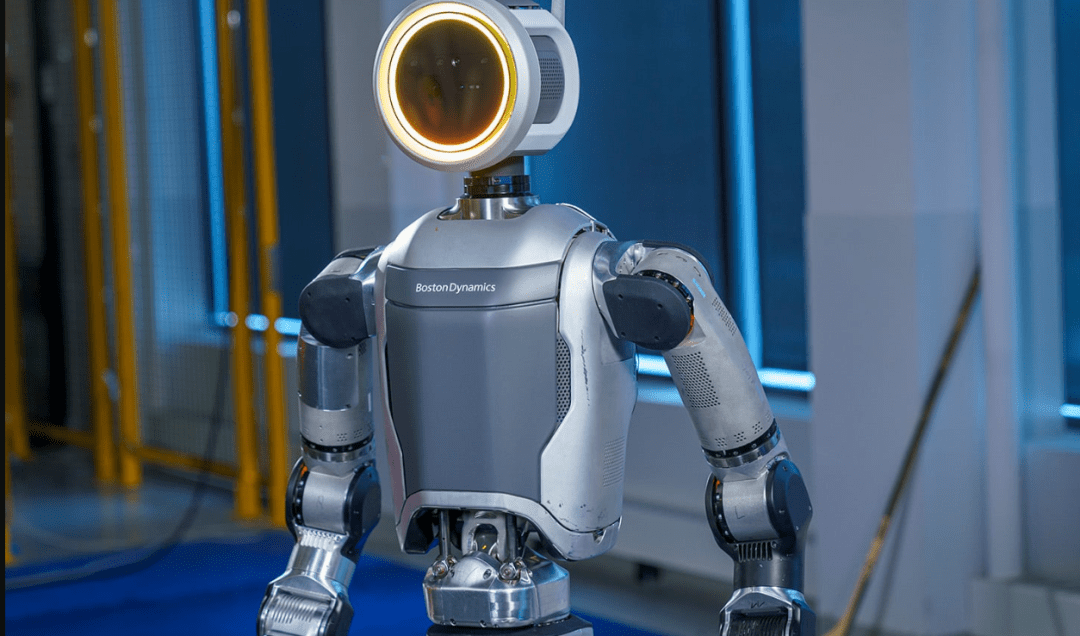
Hyundai joins the physical AI race, promising humanoid robots and autonomous mobility
A year ago, Hyundai Motor Company appeared to be trailing behind its rivals in the race to fuse artificial intelligence with the automobile. While competitors such as Tesla and BYD showcased advances in humanoid robotics and autonomous driving, Hyundai’s leadership openly acknowledged it had been slow off the starting line.
At the Consumer Electronics Show, earlier this year, Hyundai demonstrated that the tides were beginning to turn, exhibiting an ambitious physical AI project, Atlas—a humanoid robot developed by its US subsidiary Boston Dynamics.

Software-defined vehicles and the 15-year challenge: Can automotive software outlast the hardware?
Software-defined vehicles (SDVs) were introduced with the promise of extending a vehicle’s “relevance” through continuous software updates. Manufacturers promoted the idea that cars could ‘level-up’ long after leaving the factory, gaining new features and performance improvements over their lifespan. Made simple, cars would literally have the power to evolve as technology improves and connectivity becomes more advanced.
However, as the first generation of these vehicles matures, questions are emerging about lifecycle costs, hardware limitations and long-term responsibility—are the glitzy promises made by automakers simply too good to be true?
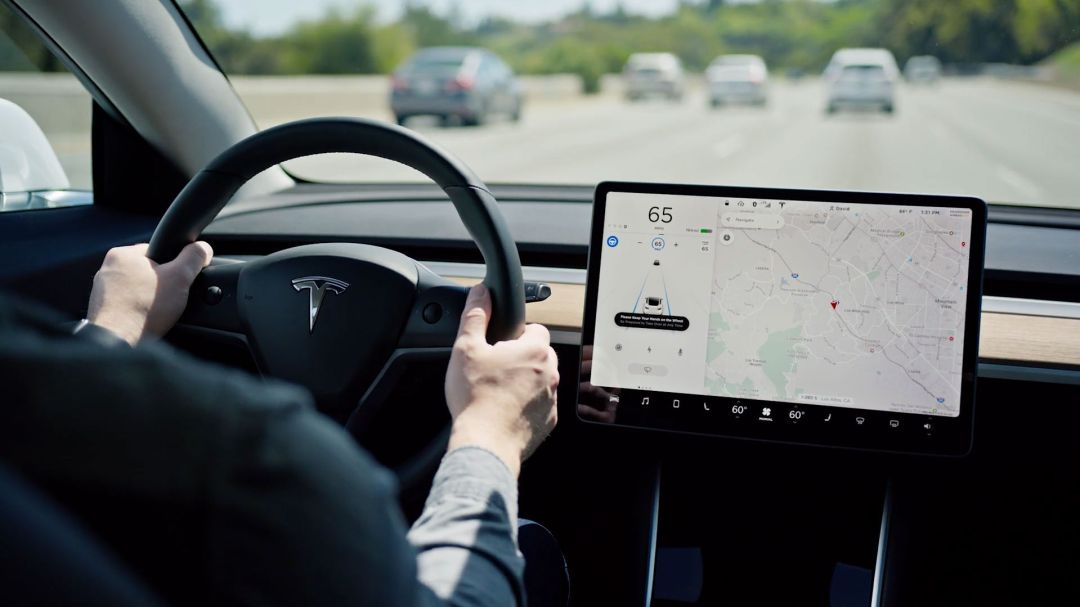
Tesla forced to drop “Autopilot” branding in California after “misleading” marketing ruling
Tesla has removed the term “Autopilot” from its marketing campaign in order to comply with Californian regulators. The electric vehicle and robotics group found itself in hot water last December after the California Department of Motor Vehicles deemed its Autopilot feature misleading to potential consumers.
Tesla’s Autopilot platform includes features such as Traffic-Aware Cruise Control and Autosteer, systems designed to assist drivers with tasks like braking, steering, and accelerating, but they do not equip the car with fully autonomous capabilities, as the name may suggest.

Brussels to require 70% EU content for subsidised EVs under “Made in Europe” mandate
In a bid to stave off Chinese competition, Brussels is introducing a “Made in Europe” mandate ensuring that at least 70% of new electric vehicle components are manufactured in the EU.
The Industrial Accelerator Act will be published by the European Commission in March; however, the following predictions are based on a draft report seen and reported on by the Financial Times this week.
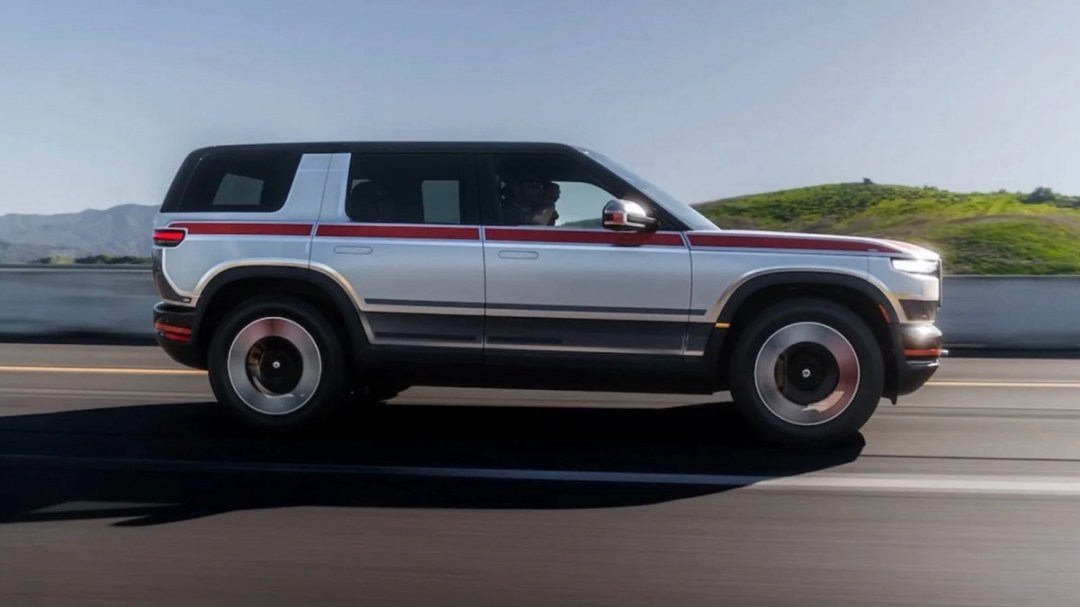
Affordable EVs offer lifeline for automakers amid market slowdown
As many global automakers roll back on their EV strategies in the face of an industry slowdown, the global market is showing a strong preference for affordable EVs over more expensive models.
After the end of the US federal subsidy and the Trump administration’s reversal of EV-friendly legislation, many automakers are suffering heavy losses as the market pivots away from pure EVs and back to hybrid and ICE vehicles.
Yet, in spite of this trend, cheaper EV models have proven to be a lifeline for automakers placing their bets on electric vehicles.
New report suggests software defined vehicle market will soar to almost $2,000 billion USD by 2034
The global automotive industry is entering a new phase of digital transformation, with software increasingly defining how vehicles operate, evolve and relate to the consumer.
A new study from Allied Market Research forecasts that the software defined vehicle (SDV) market will expand dramatically over the next decade, reaching an estimated $1,902.9 billion USD by 2034.

China’s EV sales fall for the first time in 2 years
Government subsidies and cheap manufacturing costs have long given Chinese automakers a competitive edge when it comes to EV production, facilitating the rapid expansion of manufacturers like BYD and Geely into overseas markets.
This seemingly unstoppable growth now appears to be showing signs of waning, following an announcement from the China Passenger Car Association reporting a fall in electric vehicle sales for the first time since February 2024.

Follow us!