Latest News
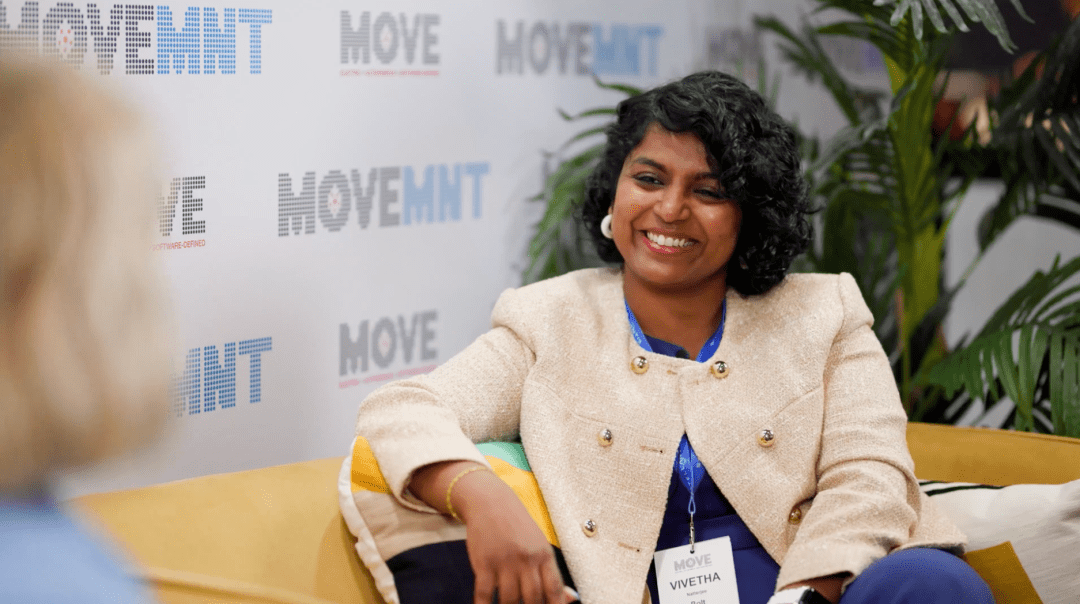
Future-ready autonomy and Bolt’s vision for scalable deployment with Vivetha Natterjee
At MOVE 2026, MOVEmnt.net caught up with Vivetha Natterjee, Head of Autonomous Product and Deployment for Autonomous Vehicles at Bolt.
Following her heavily attended morning presentation, we sat down to discuss the major developments taking place in the world of driverless scaling and Bolt’s upcoming plan to launch operational autonomous vehicle services across five distinct European markets within the next year.

MOVE exclusive: Stellantis and Wayve announce strengthened robotaxi partnership at MOVE 2026
Wayve and Stellantis chose MOVE 2026 as the exclusive platform to announce the next phase of their strategic partnership.
Alex Kendall, CEO of Wayve, and Ned Curic, Chief Engineering Officer and CTO at Stellantis, took to the Keynote Stage to announce their shared vision for Level 4 autonomy, presenting a strengthened partnership committed to delivering robotaxis on a global scale.

MOVEmnt Podcast Episode 5: Evalena Falck
MOVE 2026 is now just a week away, and what better time than to hear from one of our fantastic Keynote speakers?
In Episode 5, MOVEmnt’s Eve Stevens sits down with a powerhouse in the world of heavy transport and automotive, Evalena Falck, Vice President and Head of Strategic Business at Scania Group.

Uber and Wayve to deliver commercial robotaxi service in London this summer
News For those living in London, the sight of a robotaxi navigating the city streets has moved from the space age to the everyday. Since earlier this year, Alaphabet-owned Waymo and UK start up Wayve have been piloting their autonomous robotaxis in the UK capital,...
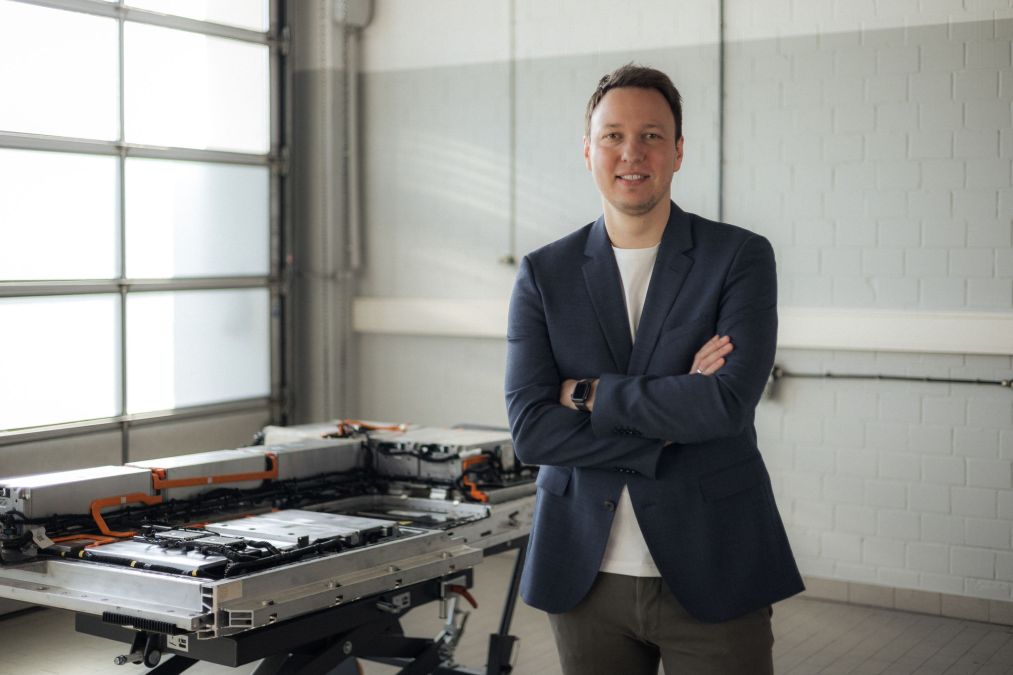
Understanding the data behind battery trading: In conversation with Circunomics CEO Felix Wagner
Battery volumes are growing. So is the number of companies trying to buy, sell, and finance them, with no reliable way to assess what a battery is worth. Felix Wagner built Circunomics to solve that. Ahead of MOVE London 2026, he spoke with MOVEmnt about the state of battery trading, what it takes to make transactions work, and why batteries need to become a proper asset class.
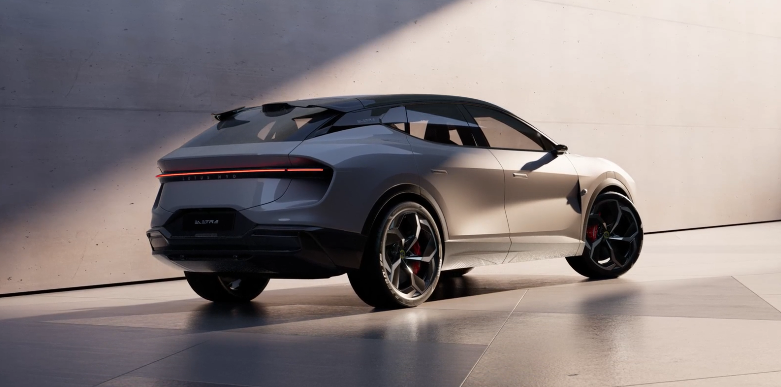
Lotus joins luxury automakers pivoting to hybrids, forecasting “long-term trend”
The luxury automotive segment has long struggled to decouple itself from petrol. In 2026 alone, several major automakers walked back their EV targets or revised their electrification timelines: Lamborghini axed plans for its fully electric model, Lanzador, whilst Rolls-Royce pledged to continue selling petrol vehicles beyond 2030.
In an interview with the Financial Times, chief executive of Lotus Group, Qingfeng Feng, said that EVs would account for under half of their entire lineup—the rest coming from hybrids. This is a much more conservative estimate than previously predicted by the company, now owned by Chinese conglomerate Geely, which had banked on a lineup of 90% EV sales by 2028.

Tesla grapples with self-driving shortfall, promising “micro factory” upgrade plan
Tesla has found itself in hot water again as it recalibrates its long-promised path to full autonomy. The electric vehicle giant recently acknowledged that millions of its older cars, equipped with what it calls Hardware 3, won’t be able to achieve fully self-driving capability, despite earlier assurances.
The statement marks a notable shift for Tesla, which had long maintained that its earlier vehicles already contained the necessary cameras and computing power pending the inevitable software advancements.

Rivian begins production of first mass-market EV, the R2
Rivian Motors has officially begun customer production of the long-awaited R2, its mid-size all-electric SUV. Originally revealed in March 2024, it has taken two years and reportedly “thousands of hands” before the first R2 rolled off the production line yesterday at Rivian’s Normal, Illinois plant.
Rivian CEO RJ Scaringe said the company was “on track” to deliver the first of its five-seater EVs later this spring.
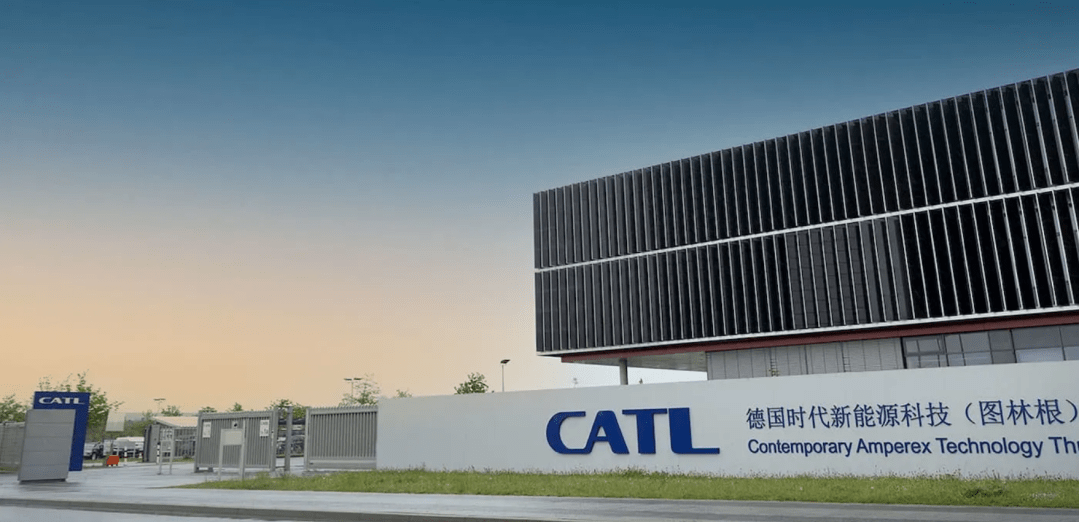
CATL unveils 1,500 km EV battery with record-breaking range
Last month, BYD made headlines with its updated Blade battery, a lithium iron EV battery boasting super-fast charging times and ranges of up to 1,000 km in a single charge.
As of Tuesday, BYD’s battery supremacy was toppled by Chinese battery manufacturer and technology company CATL, which announced its latest Qilin battery, capable of delivering a range of 1,500 km in a single charge.
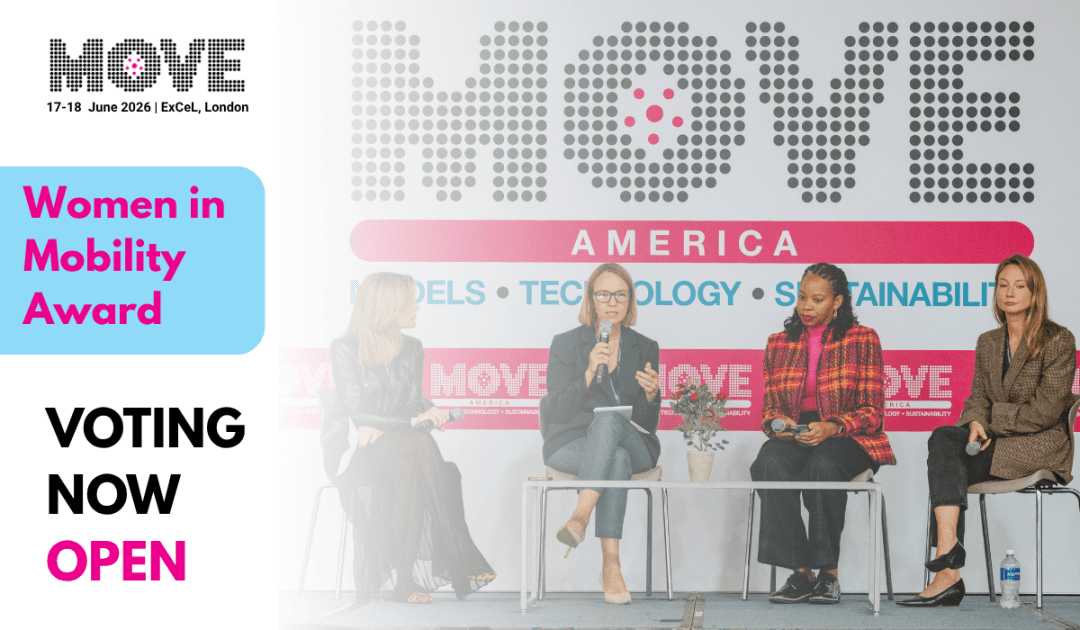
Voting opens for MOVE 2026’s Women in Mobility Award
Across the mobility industry, women play a vital role in driving innovation, shaping policy and inspiring transformative change. MOVE’s Women in Mobility Award recognises the leaders, visionaries and change-makers who are accelerating innovation in automotive and technology.
Vote for your winner of the Women in Mobility Award and help us honour the women who are transforming the auto tech industry with their expertise, leadership and determination.
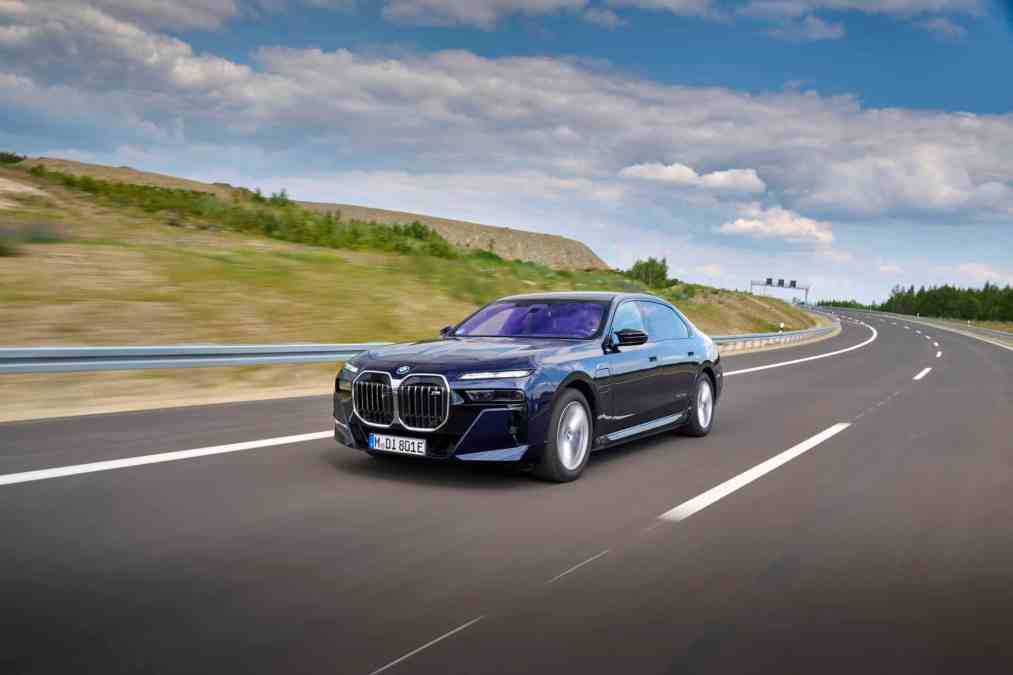
BMW and Mercedes scrap plans for Level 3 autonomy, citing lack of consumer demand
Two multinational OEMs, Mercedes and BMW, have decided to postpone, and likely cancel, plans for Level 3 autonomy in personal vehicles, citing regulatory challenges and a lack of consumer demand as the reasons.
Both automakers have been in the process of developing Level 3 autonomy in their vehicles, a level of assisted driving that allows consumers to take their hands and eyes off the road while remaining ready to resume control at a moment’s notice. Achieving this level of autonomy is a lengthy and expensive project that requires cars to be fitted with costly LiDAR sensors.

Wayve receives fresh backing from chipmakers Qualcomm, AMD and Arm
British autonomous driving firm Wayve is strengthening its position in the race toward driverless vehicles, announcing fresh backing from chip giants Qualcomm, AMD, and Arm. The trio contributed $60 million in a follow-on investment, adding momentum to the company’s earlier $1.2 billion raise revealed in February.
Although modest compared to that larger round, the latest funding carries strategic weight, bolstering Wayve’s tech-forward, end-to-end AI approach. Wayve is building a distinct autonomous strategy that is rooted in AI and avoids reliance on high-definition maps or hyper-localized geomapping.

Lyft follows in Uber’s footsteps, launching new ride-hailing app for teens
American ride-hailing company Lyft has announced the launch of its own teen account service, allowing minors as young as 13 to hail a taxi without an adult present.
Lyft currently has 25 million active riders and coordinates 9 million rides per day across the US, Canada, and Europe, making it the second-largest ride-hailing service in the U.S. after Uber.
The group’s teen service, launched on Monday, has rolled out in over 200 U.S. cities, including Boston, Chicago, and New York.

UN draft agenda on autonomy promises a unified approach to global self-driving regulation
As autonomous innovation accelerates towards widespread deployment and robotaxis roll out in record numbers, global regulation has historically lacked a clear or decisive approach. Instead, countries have determined their own legislation, resulting in a patchwork of fragmented regulation across geographies.
By 2030, Boston Consulting Group predicts there will be over 2.5 million robotaxis in commercial operation. If the world is to respond to this increasing demand, many sceptics have called for a more unified global strategy.
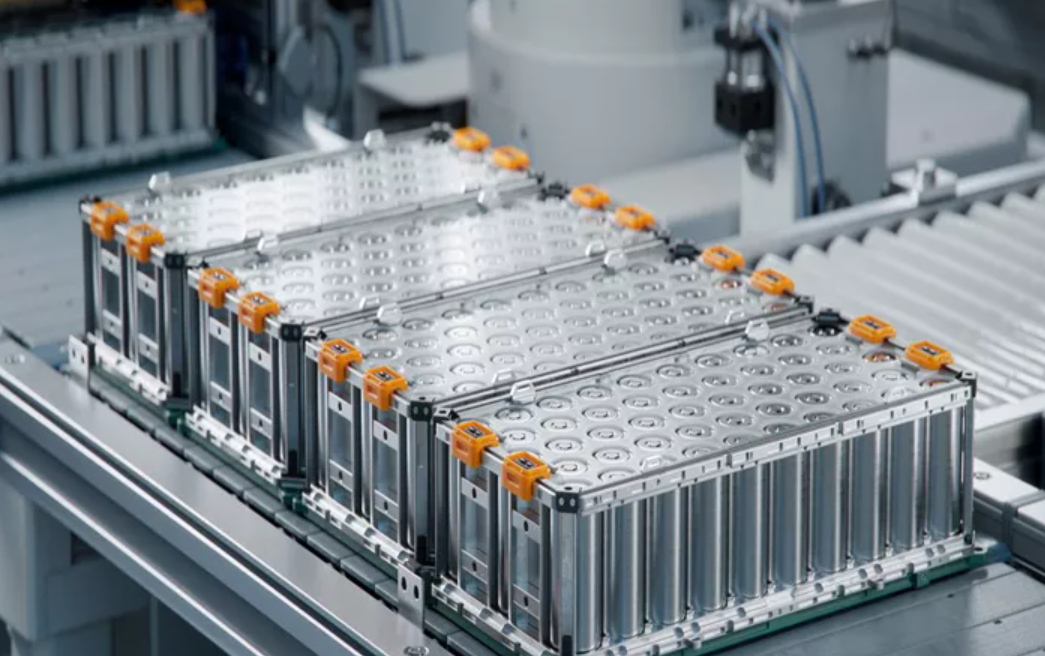
General Motors bets on unproven battery technology in a bid to drive down EV costs
In a bid to leapfrog EV competition, automaker General Motors is betting on an unproven battery technology: LMR, or lithium manganese-rich prismatic cells in its latest EV strategy.
Originally discovered in the 1990s, LMR is a cathode chemistry that requires reduced levels of rare-earth materials such as cobalt and nickel, instead utilising manganese, a much cheaper and more abundant material. Theoretically, the technology promises higher levels of energy density at a reduced cost.

Mark Carney unveils Canada’s revised automotive strategy, scrapping EV mandate
On Thursday, Canadian Prime Minister Mark Carney unveiled a revised national automotive strategy that has set a brand new course for Canadian electrification. Announced against the backdrop of rising trade tensions and mounting pressure from U.S. tariffs, the plan represents a shift in how Ottawa hopes to guide the country’s transition to electric mobility.
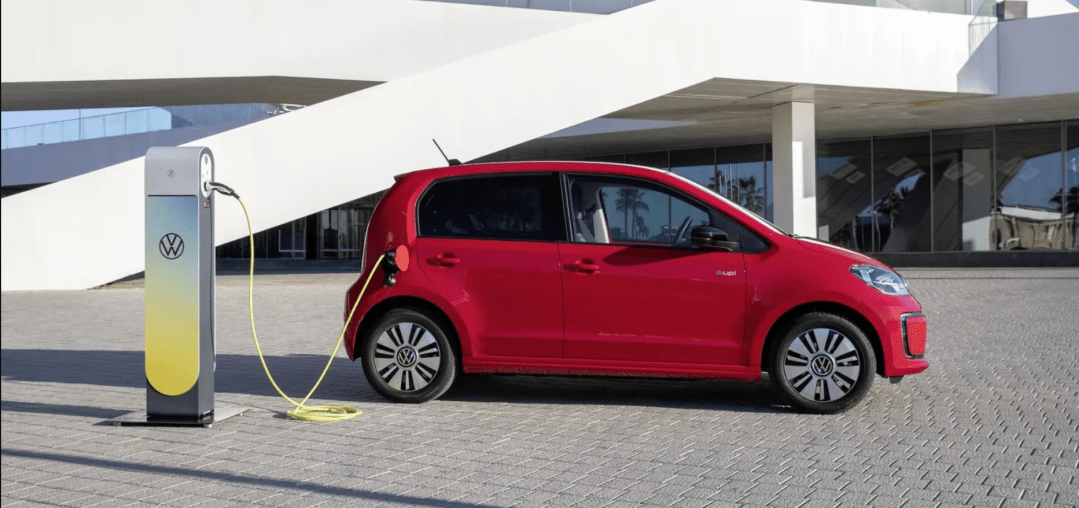
German EV makers race ahead of Chinese imports in domestic sales
Germany has long held the title of Europe’s largest and most significant automotive market, with a rich history of manufacturing and vehicle production. As the birthplace of well-loved legacy brands such as Audi and Volkswagen, the automotive sector continues to make up a significant share of Germany’s overall GDP—around 5%.
It is perhaps this legacy that explains why Germany’s domestic brands continue to outpace international competition in electric vehicle sales, led by brands like Volkswagen—currently the country’s leading EV seller—followed by BMW.

China becomes first country to ban retractable car handles over safety concerns
China is set to become the first country to ban retractable door handles on passenger vehicles. The trend, popularised by EV makers seeking sleek silhouettes and improved aerodynamics, has raised safety concerns amongst vehicle legislators.
The new safety standards were announced by the Ministry of Industry and Information Technology (MIIT) and will take effect in 2027.

Alphabet-owned Waymo targets $110 billion valuation in new funding round
Alphabet-owned autonomous driving company Waymo has ambitious plans to raise $16 billion in a financing round that would see the group’s valuation rise to nearly $110 billion.
The company, which plans to make its entry into Europe this year, starting with the UK capital, has a fleet of more than 2,500 vehicles already in operation.

Toyota holds on to its crown as world’s top-selling automaker for sixth year running
Toyota Motor Corp. has been announced as the world’s top-selling automaker for the sixth year in a row following a year of record sales. The Japanese group extended its lead over rivals despite tariffs, trade disruption and intensifying competition from Chinese EV makers.

Tesla strips 2 models from its line-up in physical AI pivot
Where Tesla was once considered the leader in the electric vehicle revolution, the group, headed by billionaire Elon Musk, has announced that it is broadening its focus, pivoting towards physical AI and robotics.
This decision comes following news that the group had conceded its crown as the biggest global seller of EVs to Chinese rival BYD. However, Musk’s bet on artificial intelligence and humanoid robots may not have paid off just yet, as the company reported its first annual decline in revenue.

The charge point shortfall: Can the UK build charging infrastructure fast enough for 2030?
EV sales soared to a record high in Europe in 2025, with electric vehicle sales up by 30%. In the UK, the story is much the same, with EV sales surpassing petrol vehicle sales in the month of December and tracking steady growth into 2026.
However, as the market moves towards electrification, analysts have warned that the UK must double the number of electric vehicle charge points it installs annually if it is to meet its 2030 targets.

Canada/ China trade deal promises 49,000 cheap EVs for Canadian consumers
Canadian Prime Minister Mark Carney and Chinese leader Xi Jinping have struck a landmark trade deal allowing cheap Chinese EVs into Canada en masse.
This unprecedented strategic alliance, made during Carney’s trip to Beijing earlier this month, will allow up to 49,000 Chinese EVs into the country at a tariff of 6.1%, down from 100%.

Daimler Truck’s Japanese arm Foxconn accelerates electric bus project
Daimler Truck’s Japanese unit and Taiwan-based manufacturing giant Foxconn are officially taking the next step in their electric vehicle partnership, announcing plans to launch a new bus company later this year. The new project will focus on electric buses for Japan and international markets.
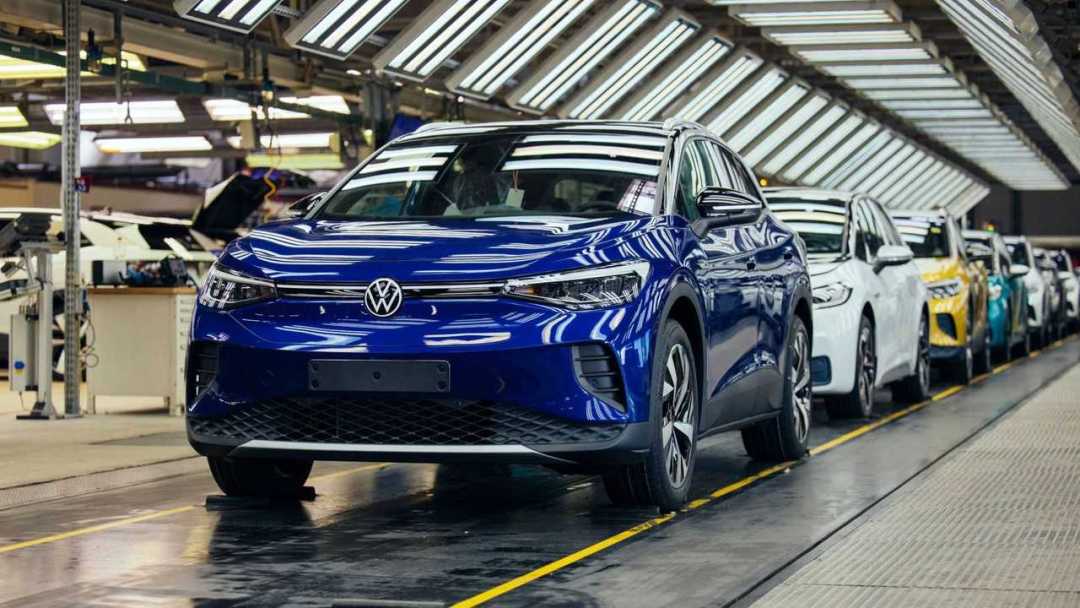
Germany to invest €3bn in electric vehicle incentives
Germany is preparing to relaunch large-scale incentives for electric vehicles, signalling a concerted governmental effort to revive demand after last year’s slowdown.
The federal government plans to allocate around €3bn to a new support programme that will run from the beginning of this year until 2029, aiming to put roughly 800,000 additional low-emission vehicles on the road.

The physical AI revolution: How automakers are rethinking manufacturing in 2026
Conversations around AI are dominating the tech and automotive industries as companies rush to integrate efficiency-boosting AI systems into their manufacturing processes. For many of us, our first introduction to AI is likely to have been through large language models like OpenAI’s ChatGPT or Google’s Gemini.
Now, in 2026, the industry is pivoting from a software-focused approach to a hardware-driven one, moving towards physical applications such as robotics and advanced automation. In this period of strategic change, the question remains: are automakers reading for the physical AI revolution?

Ford in talks with BYD to source batteries for hybrid models
Legacy OEM, Ford Motor is holding discussions with China’s BYD about a possible partnership that would allow the U.S. automaker to purchase batteries for some of its hybrid vehicle models.
The talks are ongoing and remain fluid, with no guarantee that the two parties will arrive at a deal. The somewhat unlikely alliance could allow Ford to import batteries from BYD for use in vehicle production at factories located outside the United States.
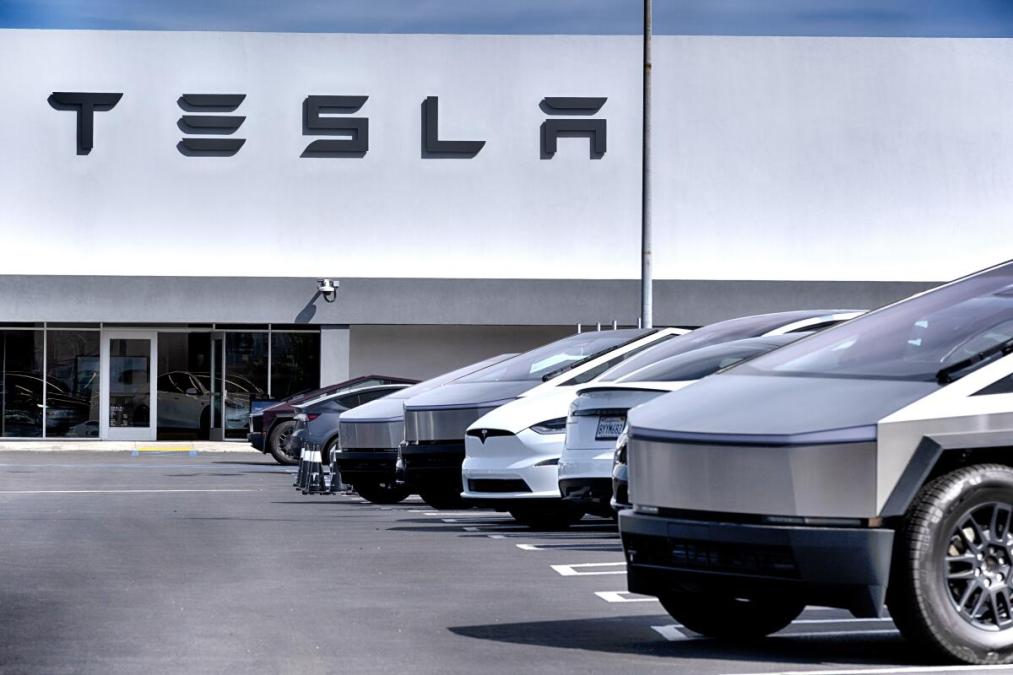
Tesla embraces recurring revenue, offering FSD autonomy as a subscription-only service
Tesla’s Chief executive Elon Musk has confirmed that the company will eliminate the one-time purchase option for its Full Self-Driving (FSD) package in the U.S., moving exclusively to a monthly subscription model beginning February 14.
The move illustrates the brand’s decision to lean heavily in to recurring revenue streams and subscription services—think X premium, launched in October 2023.

Follow us!